Rexford Adjei Darko warns that in parts of Ghana corporate sustainability reports often prioritize image over genuine environmental protection. He highlights a growing gap between polished disclosures and polluted water, degraded land, and waste experienced near industrial operations. Darko calls for continuous monitoring and full disclosure, independent audits aligned with Ghana's Environmental Protection Authority and international standards, and meaningful community engagement before damage occurs.
Ghana's Greenwashing Problem: When Sustainability Reports Hide Pollution

Photo Credit: iStock
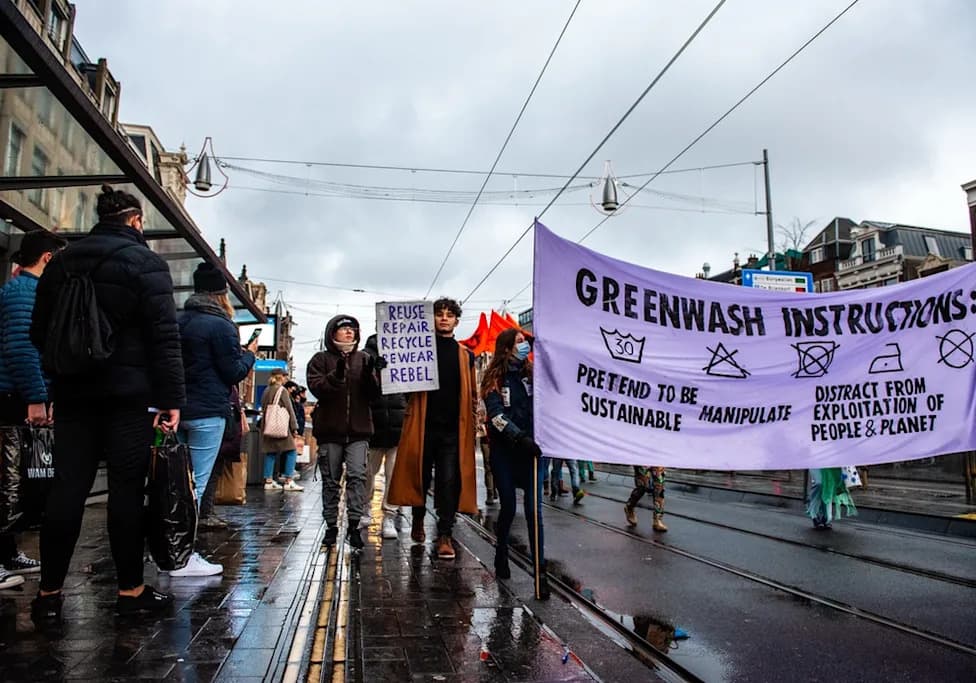
Annual corporate sustainability reports often present tidy images of climate action: executives planting saplings, staged solar-panel photographs, and reassuring pledges of "environmental stewardship." But in parts of Ghana, those glossy pages can mask contaminated water, degraded land, and unmanaged waste.
Reality vs. Report
Rexford Adjei Darko, a public relations practitioner and corporate social responsibility researcher, warns that many corporate sustainability efforts in Ghana are oriented more toward image management than toward substantive environmental protection. In an essay for Modern Ghana, he documents a widening gap between the green narratives in annual disclosures and the environmental conditions experienced by employees and nearby communities.
Darko singles out extractive and manufacturing companies as especially susceptible to this pattern. He says some businesses heavily promote one-off activities such as tree-planting drives and beach cleanups while neglecting critical operations like tailings management, packaging-waste control, and effluent monitoring.
Who Feels The Consequences?
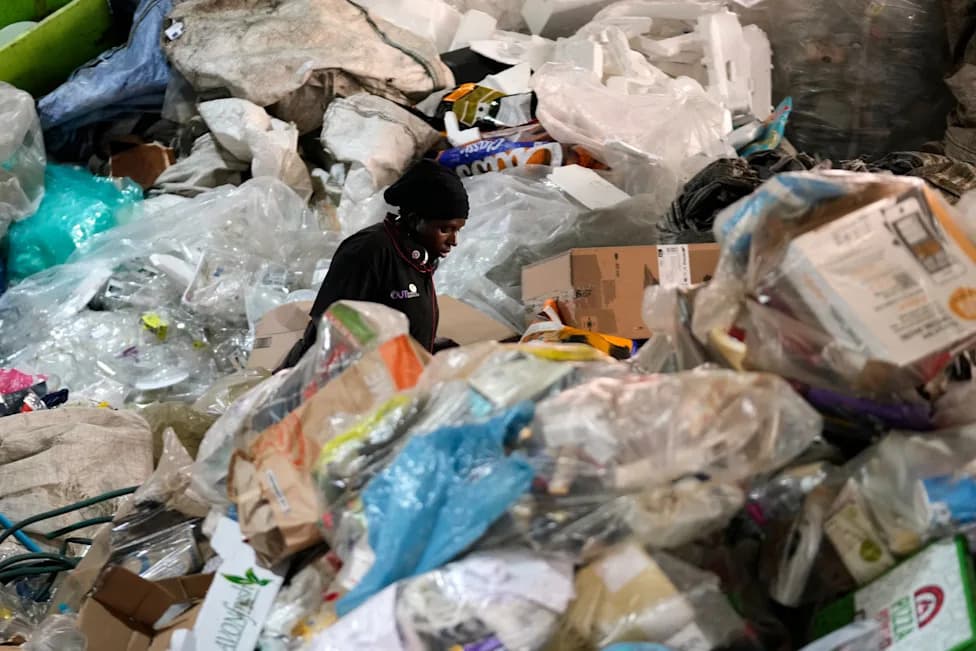
Residents living near industrial sites do not read sustainability reports; they live with the consequences of corporate environmental failures: polluted drinking sources, eroded or compacted land, clogged drains from plastic debris, and periodic spills. Employees, Darko adds, often see the mismatch first-hand and are not easily persuaded by public-facing sustainability messaging that contradicts everyday practice.
'Greenwashing, by contrast, is stewardship performed for an audience — a communications strategy dressed as an environmental one. A community living with a polluted stream does not experience the corporate sustainability report; it experiences the stream.' — Rexford Adjei Darko
Recommendations For Real Stewardship
Darko outlines a practical three-part approach for restoring credibility and protecting communities:
- Ongoing measurement and full disclosure: Continuous environmental monitoring and public reporting that include setbacks and incidents rather than soothing one-line summaries.
- Independent verification: External audits aligned with Ghana's Environmental Protection Authority standards and recognized international frameworks to validate company claims.
- Early, meaningful community engagement: Consultations before projects begin so affected communities help prevent harm rather than merely respond to crises.
He also calls on corporate communications teams to stop 'laundering' weak environmental performance into success stories: publish independently verified data, set clear targets and deadlines, and show that local environmental practice matches public messaging.
Wider Implications
Beyond the immediate harm to nearby communities, pervasive greenwashing undermines public trust. Repeated disconnects between promises and performance can erode confidence in all corporate sustainability claims, penalizing companies that are genuinely improving and reducing incentives for meaningful change.
Addressing this problem requires both stronger regulatory oversight and a cultural shift inside companies: prioritize durable management systems, transparent metrics, and honest communications that treat communities as partners rather than audiences.
Help us improve.