Researchers report evidence of a transmissible malignant melanoma affecting brown bullhead catfish in Lake Memphremagog. Between 2014 and 2017, 23–37% of sampled fish had lesions diagnosed as melanoma. Genomic tests indicate the tumors are genetically distinct from their hosts and share a clonal origin, but the precise transmission mechanism remains unknown. Continued sampling is planned to determine the lineage's age, origin, and population impact.
First-Ever Freshwater Transmissible Cancer Detected in Lake Memphremagog Catfish

NEWPORT, VERMONT - NOVEMBER 8: The sun sets on Lake Memphremagog, which stands the United States and Canadian borders on November 8, 2021.
Researchers have identified what appears to be the first known naturally transmissible cancer affecting fish in a freshwater environment. Malignant melanomas have been documented spreading among brown bullhead catfish (Ameiurus nebulosus) in Lake Memphremagog, a glacial lake that straddles the Vermont–Quebec border and supplies drinking water to roughly 175,000 people.

NEWPORT, VERMONT - NOVEMBER 8: The sun sets on Lake Memphremagog, which stands the United States and Canadian borders on November 8, 2021.
Study Findings
A study published in Nature reports that biologists first noted unusually high rates of raised black skin lesions on brown bullheads beginning around 2012. Detailed sampling from 2014 to 2017 found those lesions to be malignant melanomas in approximately 23%–37% of the brown bullheads examined.
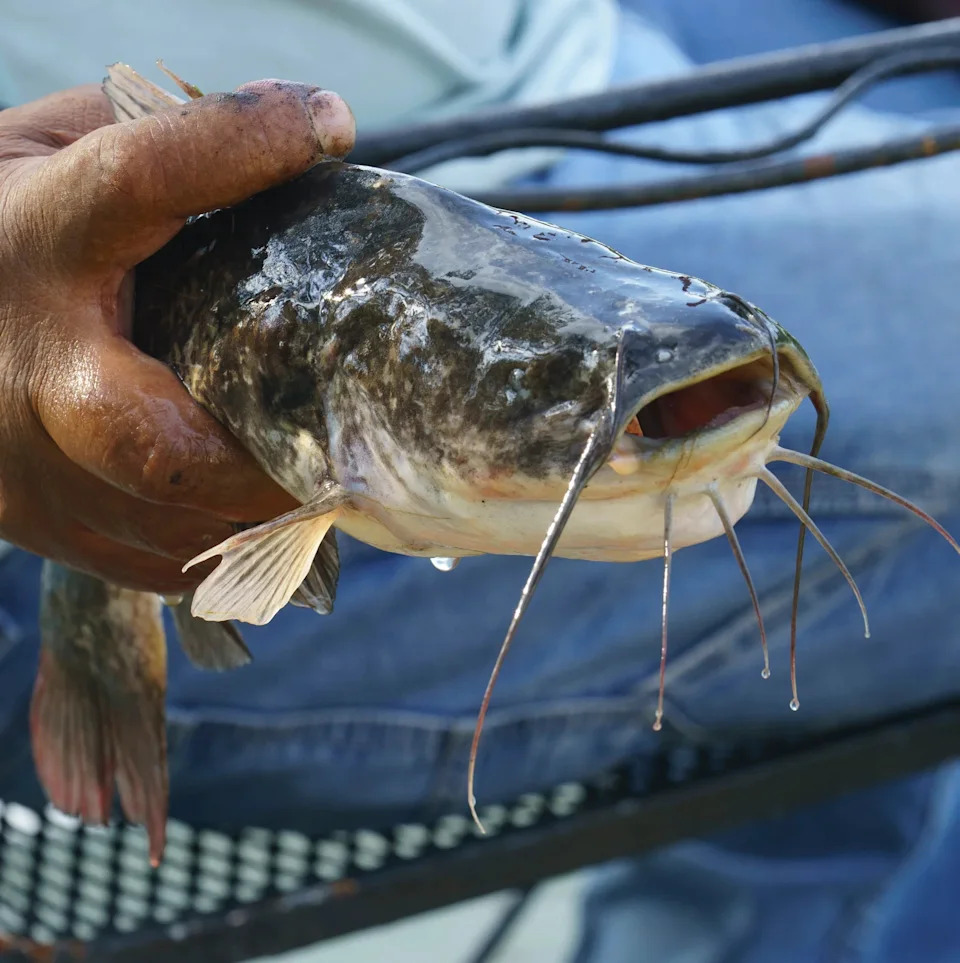
Brown Bullhead is a species of catfish, here caught on a link of sausage in a freshwater pond.
Genomic analyses compared healthy tissue, non-tumor tissue from affected fish, and tumor tissue across lesion stages. The tumor genomes were distinct from their hosts’ healthy DNA and resembled each other more closely than they did the DNA of individual hosts — a pattern consistent with a single clonal, transmissible cancer lineage.
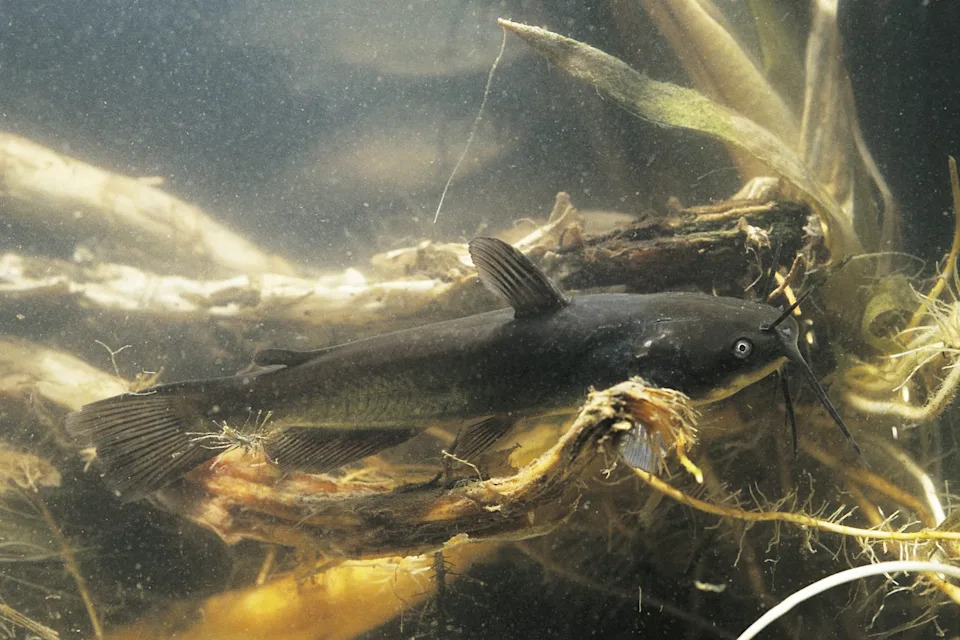
Brown Bullhead (Ameiurus nebulosus), Ictaluridae.
How It Might Spread
Scientists do not yet know the exact transmission mechanism. Based on comparisons with other naturally transmissible cancers (documented previously in domestic dogs, Tasmanian devils, and several bivalve species) and on aspects of brown bullhead biology, researchers suggest factors related to reproduction, aging, or direct tissue transfer might influence spread. Environmental contributors — including runoff and contaminants introduced after Tropical Storm Irene in 2011 — remain plausible but unconfirmed hypotheses.
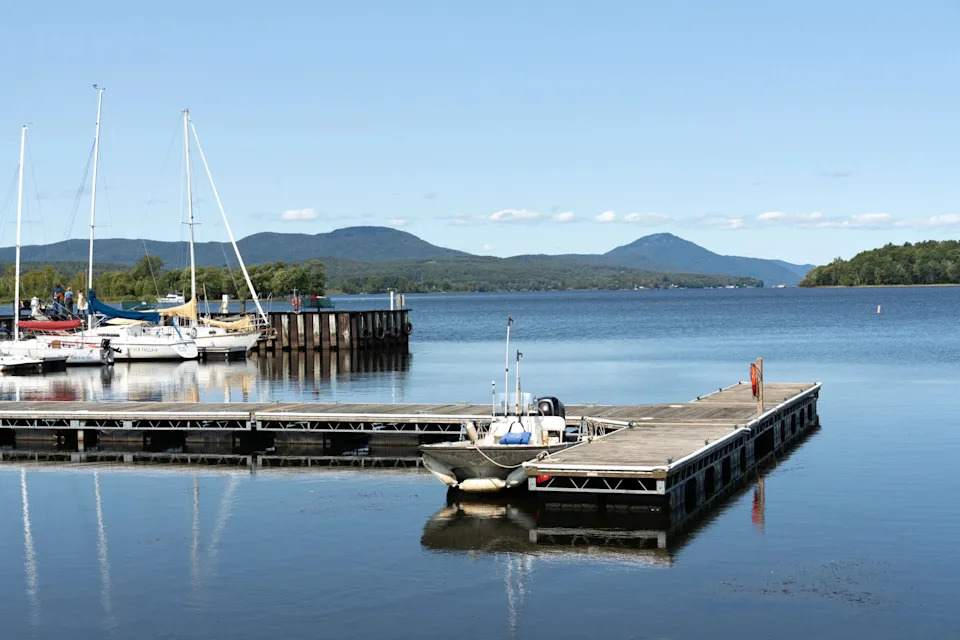
Lake Memphremagog, northern Vermont, looking north into Quebec.
Why This Matters
This discovery is significant because it represents the first reported transmissible cancer in fish and the first in a freshwater vertebrate. Understanding whether the tumor lineage is recent or long-established, how it spreads, and how it affects bullhead populations will be important for ecological monitoring and for assessing any potential risks to water quality management.
Next Steps
The authors call for continued sampling and genetic testing of affected populations to determine the age, origin, and evolutionary dynamics of the clonal cancer and to estimate its impact on brown bullhead populations. Ongoing monitoring will help clarify transmission pathways and any links to environmental change.
Species: Brown Bullhead (Ameiurus nebulosus).
Location: Lake Memphremagog (Vermont, USA / Quebec, Canada).
Public Note: The lake supplies drinking water to about 175,000 people; officials will use further study to assess any implications for water management.
Help us improve.