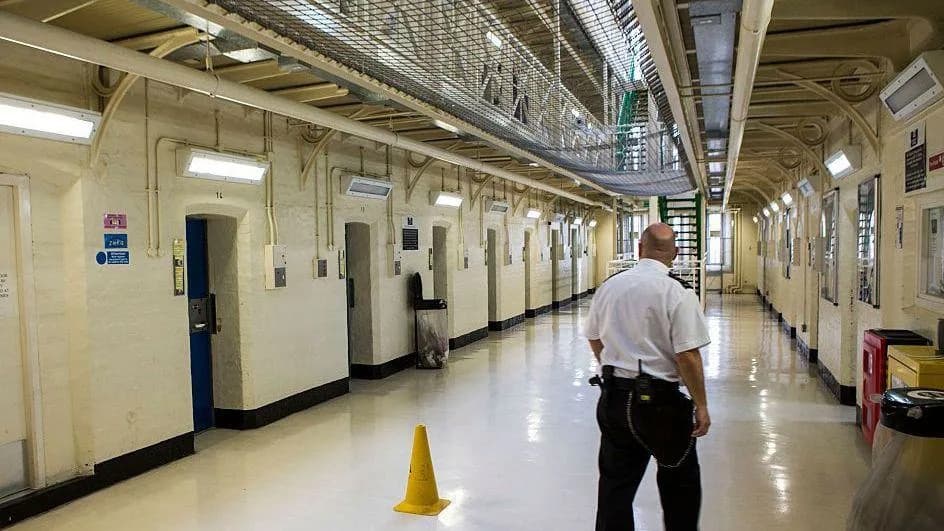
The prime minister has suspended the planned early-release measures in the Sentencing Act 2026 after public backlash, notably over the 2019 killing of PC Andrew Harper. The law would have allowed roughly 6,000 prisoners to be released earlier — generally after serving one third of fixed-term sentences — to ease overcrowding. The pause follows concerns about probation capacity, public safety, and the need for parliamentary and operational readiness, and an urgent review has been launched.
PM Pauses Early-Release Scheme After Outcry Over PC Andrew Harper Case
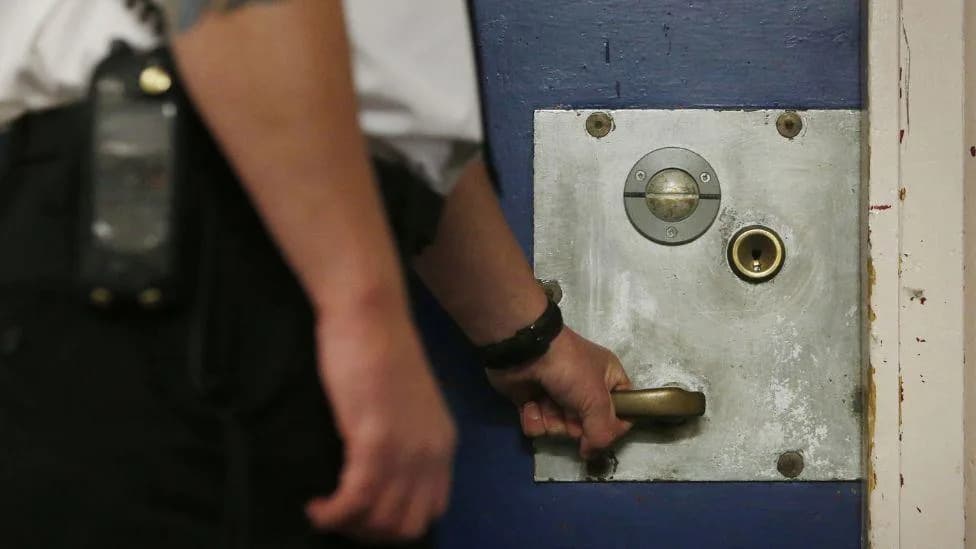
[PA Media]
Prime Minister Andy Burnham has suspended the planned roll-out of an early-release scheme for some prisoners in England and Wales after public outrage, including strong comments from the widow of PC Andrew Harper, who described the prospect of his killers being freed early as "deplorable." The pause follows the passage of the Sentencing Act 2026 and precedes an urgent government review into risks to public safety.
What the law would change
The Sentencing Act 2026, which Parliament approved earlier this year, would shorten the custodial portion of many fixed-term sentences: instead of serving half their sentence in prison, most eligible offenders would be released after serving one third and then supervised in the community. The reform was designed to ease severe overcrowding in the prison estate and was due to start with people serving up to 19 months, from 2 September.

[PA Media]
Why the government paused the plan
Mr Burnham said:
"No prisoners will be let out under this policy until we have conducted an urgent review and done everything we can to minimise risk to the public."
The decision responds to public concern about community safety and to specific anger over the case of PC Andrew Harper. It also reflects warnings from parliamentary reports that probation services are already strained and may struggle to manage a substantially larger caseload if thousands of offenders were released earlier.
The Harper case and who would be affected
PC Andrew Harper, 28, was killed in 2019 after becoming caught on a strap attached to a car as teenage burglary suspects fled a scene in Berkshire. Henry Long (18 at the time), Albert Bowers and Jessie Cole (both 17 at the time) were convicted of manslaughter in 2020. Long received a 16-year sentence, with the judge specifying a custodial minimum of 10 years and eight months; Bowers and Cole received 13 years each.

Jessie Cole, Henry Long and Albert Bowers (L-R) were convicted of killing PC Harper [Thames Valley Police]
Under the new rules, Bowers and Cole would have become eligible for earlier release (moving from two-thirds to halfway or one-third depending on their category), potentially bringing their release date forward. Long's longer custodial minimum would largely remain unaffected by the change. With the PM's pause, the timing of any changed release dates for these prisoners is now uncertain.
Practical and political trade-offs
Implementing the law from 2 September would require parliamentary approval and operational readiness from prisons and probation services. Parliament is currently in recess, which complicates an immediate rollout or simple delay. Officials warn that delaying the reform indefinitely risks returning the system to acute overcrowding — courts could face limits on sentencing and police charging decisions could be affected if custodial capacity is exhausted — while pressing ahead without bolstering probation and risk assessment could increase public safety concerns.
Next steps: The government has launched an urgent review to assess risks, the capacity of probation services, and possible mitigations. Ministers will need to balance public safety, victims' concerns and the operational realities of the prison estate before deciding whether to proceed with, amend, delay or abandon the early-release timetable.
This pause has reopened a national debate about how to relieve overcrowded jails while protecting communities and supporting rehabilitation in the community.
Help us improve.