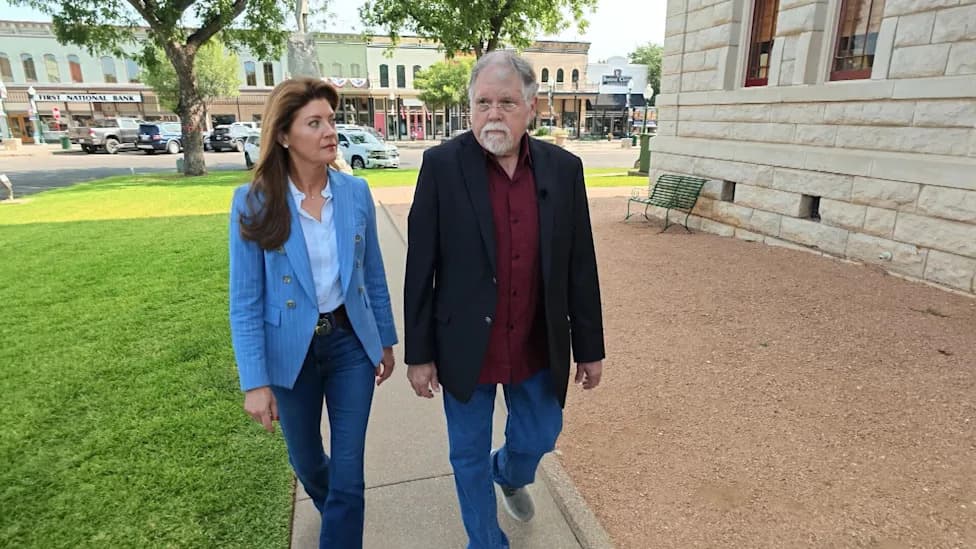
Hundreds of Upper Merion Township residents protested a proposal to build about 4.5 million sq ft of AI data center infrastructure across five suburban sites. The planned development, by Brian O'Neill and MLP/MLV Ventures, could draw 500–900 MW of power and raise concerns about noise, emissions, water use and grid strain. After heated hearings, the Planning Commission declined to recommend approval for three sites; two remain under review. A Quinnipiac poll found 68% of Pennsylvania voters would oppose a local AI data center, reflecting wider public skepticism.
Suburb Uproar Over Massive 4.5 Million Sq Ft AI Data Center Near Philadelphia
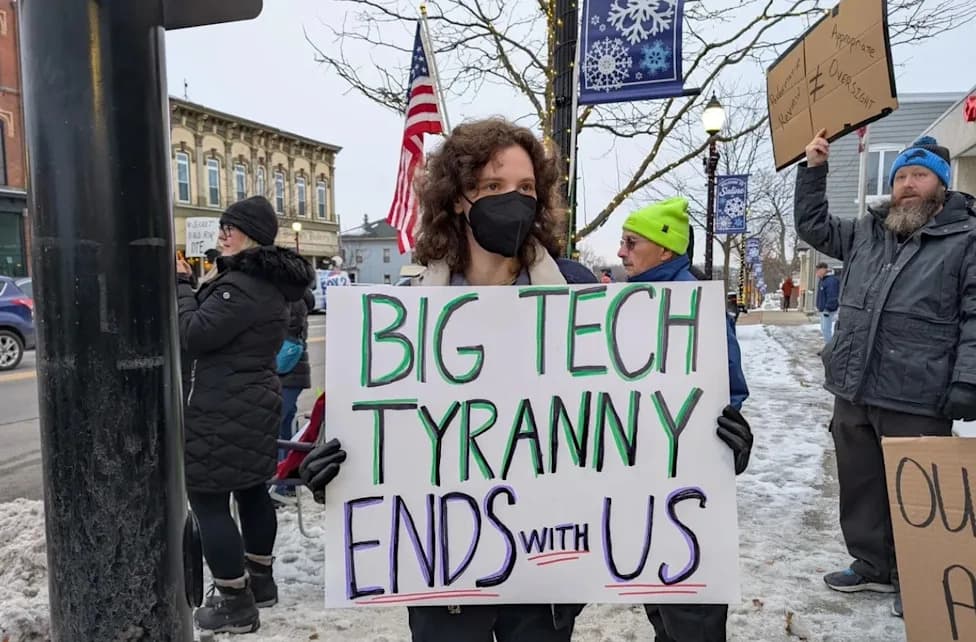
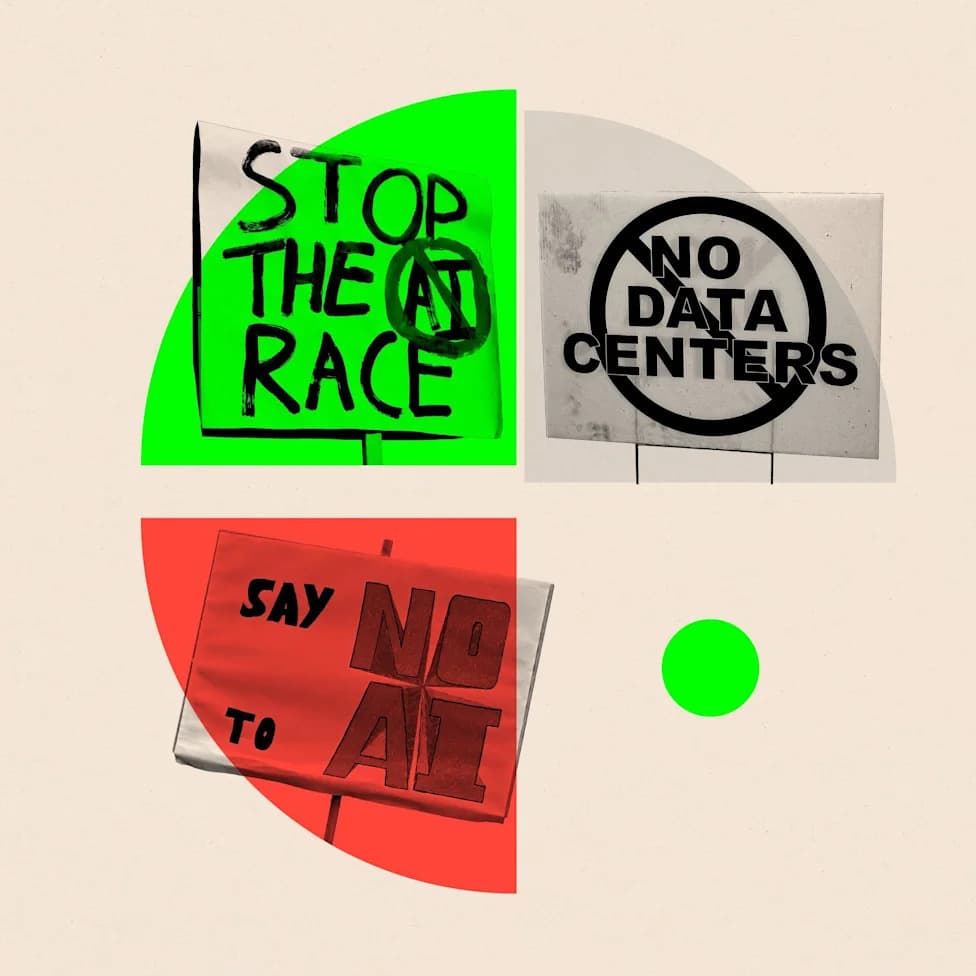
Image: Economic Development Responsibility Alliance of Michigan
When an attendee at Upper Merion Township's July planning meeting asked opponents to stand, nearly the entire room rose. Hundreds of residents came together to oppose a plan to build roughly 4.5 million square feet of AI data center infrastructure across five suburban sites. The proposed complex would require an estimated 500 to 900 megawatts of electricity — enough to power a small city — making it one of the largest data center projects proposed in the Northeast, according to Business Insider.
The proposal, led by developer Brian O'Neill and his firm MLP/MLV Ventures, targets parcels along King of Prussia's Renaissance Park corridor and nearby industrial roads. The planned footprint would exceed that of Philadelphia International Airport. More than 1,000 residents packed a May hearing at Freedom Hall, and the July session ran four hours, filled with shouts, boos and applause. By the end, the township Planning Commission declined to recommend approval for the first three sites; two additional sites remain scheduled for debate.
What Residents Are Worried About
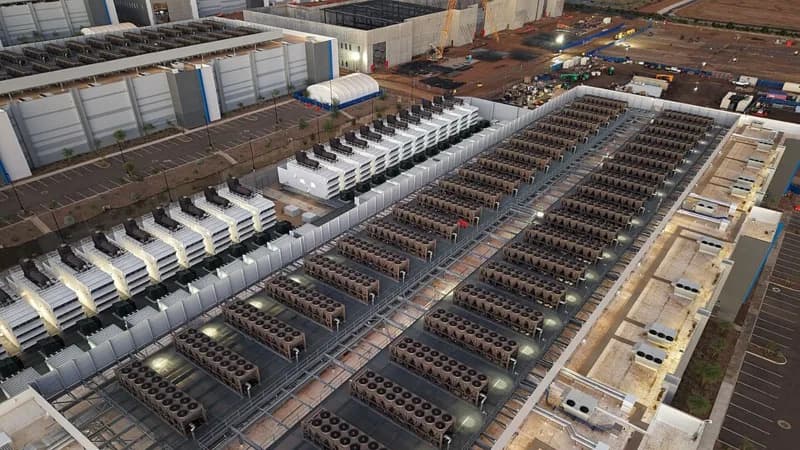
Opponents have described the facilities as "power plants with hard drives," voicing concerns rooted in problems documented at other large data centers. Their worries include:
- Persistent low-frequency noise from cooling systems that can be disruptive to daily life
- Emissions from backup diesel generators during outages or testing
- Substantial water consumption for cooling systems, which can stress local supplies
- Higher utility rates and potential strain on the regional electrical grid
- Questions about long-term local economic benefits versus environmental and quality‑of‑life costs
At the meeting, a parent told Fox 29, "I have a 15-month-old and I don't want her growing up so close to something we don't know that much about yet." Chants such as "we can't drink data" captured the community's skepticism about promised benefits.
Controversy Over Presentation and Transparency
The meeting's most talked-about moment involved a missing PowerPoint. O'Neill's team reportedly submitted slides with key project details about ten minutes before the session; the commission refused to display them. Pressed on projected noise levels, O'Neill estimated from memory the operation would produce about 50 decibels, roughly the level of "a quiet suburb." Residents and commissioners criticized the timing and completeness of the information and accused the developer of managing the process rather than fully engaging the community.
"At some point, the voice of the community has to hold some weight," said Courtney Smith of Upper Merion Against Data Centers (via Business Insider).
Broader Context
Upper Merion is not unique. A Quinnipiac University poll found 68% of Pennsylvania voters would oppose an AI data center in their community, a sign of broader statewide unease. Across the country, towns near large data centers report similar impacts: low-frequency humming, increased water demand, and higher electricity costs. While AI services feel seamless to users, they depend on large, resource-intensive facilities that operate around the clock.
The Planning Commission's recommendation against the initial three sites is significant, but the Board of Supervisors retains final authority. Other suburbs mapped by developers are watching Upper Merion closely — the next packed auditorium could be theirs.
Help us improve.