Archaeologists have unearthed a rare Roman marching camp near Šurany, Slovakia, covering about 18.2 acres and likely dating to the Marcomannic Wars (A.D. 166–180). The site contains numerous soldier remains found in ditches, wells and shallow graves, often accompanied by Roman military equipment such as spears, armor fragments and caligae hobnails. Specialists will conduct multi-year analyses — including radiocarbon dating and ancient DNA — to determine causes of death, the soldiers’ origins and the circumstances of the camp’s abandonment.
Rare 18-Acre Roman Marching Camp Found in Slovakia Yields Hastily Buried Soldier Remains
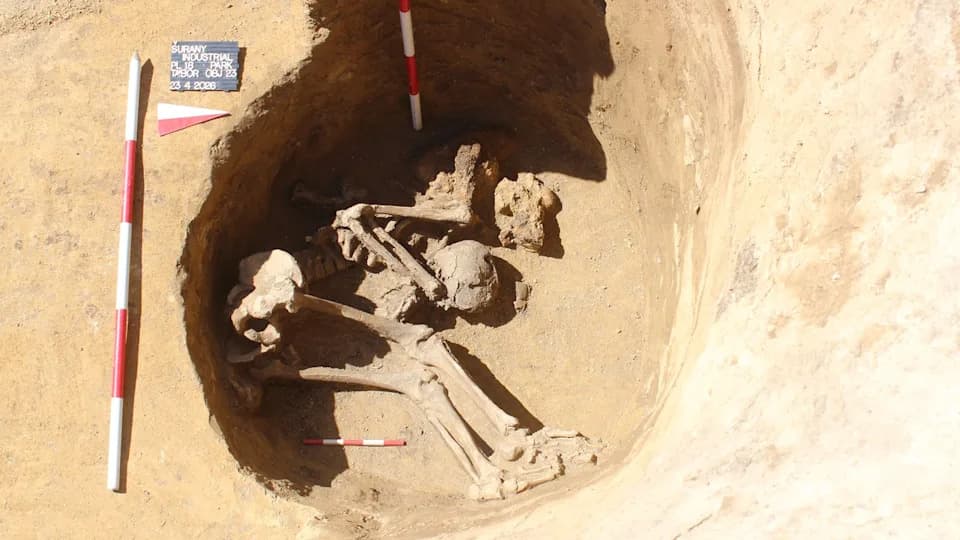
The skeleton of a Roman soldier was found in a pit at a military camp site in Slovakia. | Credit: ArÚ SAS – M. Ruttkay, M. Vojteček, M. Cheben, MH Invest
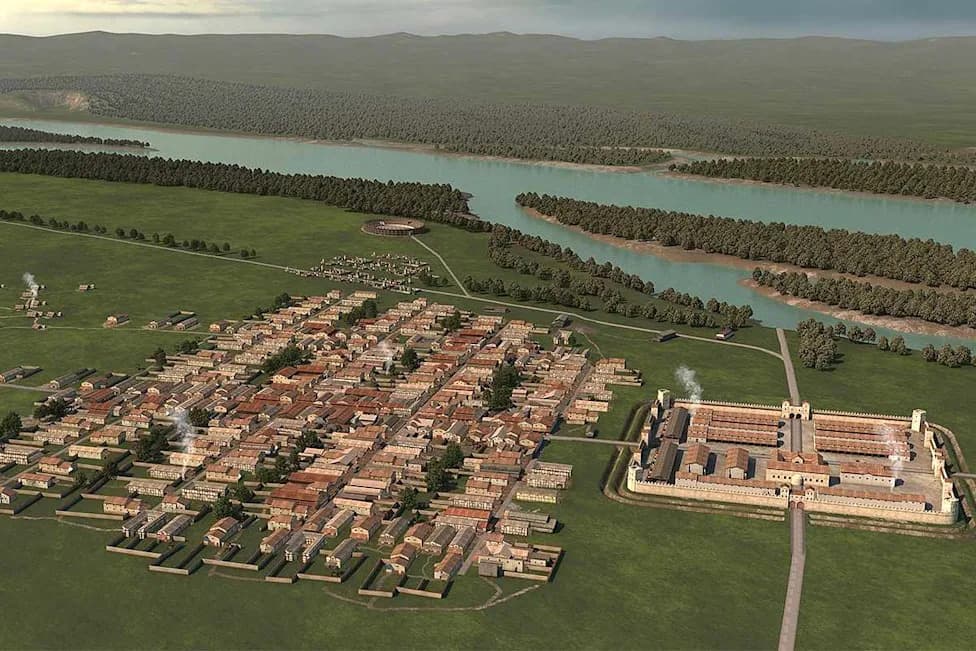
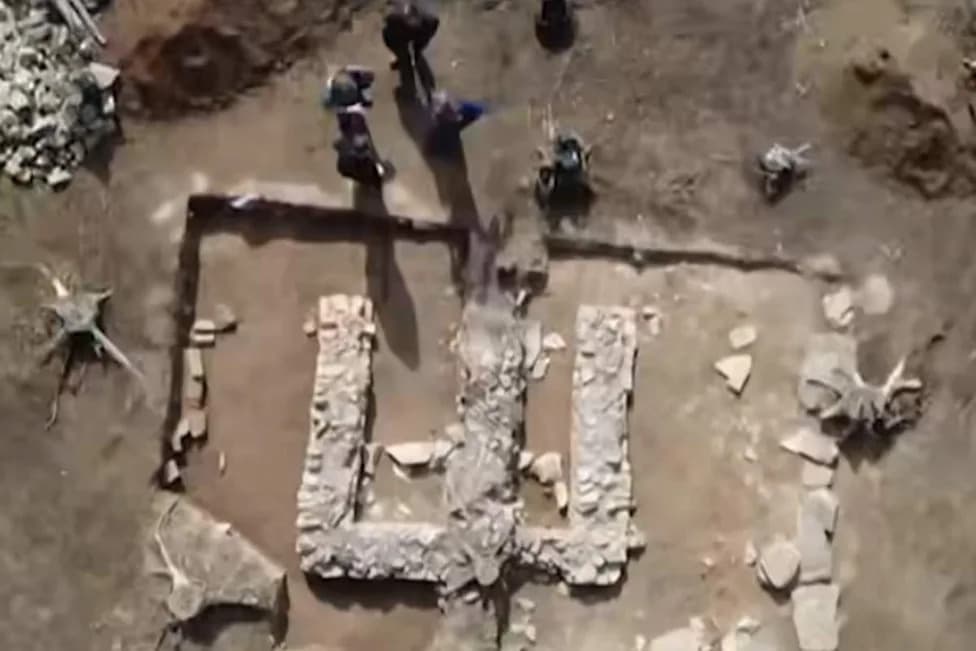
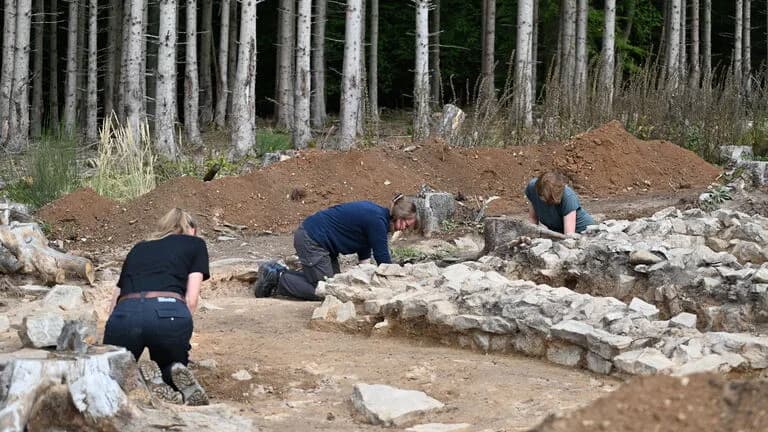
Archaeologists have uncovered an exceptionally well-preserved Roman marching camp near the town of Šurany in southwestern Slovakia. Covering roughly 18.2 acres (7.4 hectares), the site appears to date to the Marcomannic Wars of A.D. 166–180 and contains dozens of partially and fully buried human remains alongside military equipment.
Key Discoveries
Excavations led by MH Invest and the Institute of Archaeology at the Slovak Academy of Sciences (SAS) revealed characteristic defensive features of a Roman marching camp, including five entrance gates, fortifications and a curved ditch-and-rampart system. The site is only the second Roman military installation reported in western Slovakia — the first, found in 2024, has been suggested as a possible location where Emperor Marcus Aurelius wrote parts of his Meditations.
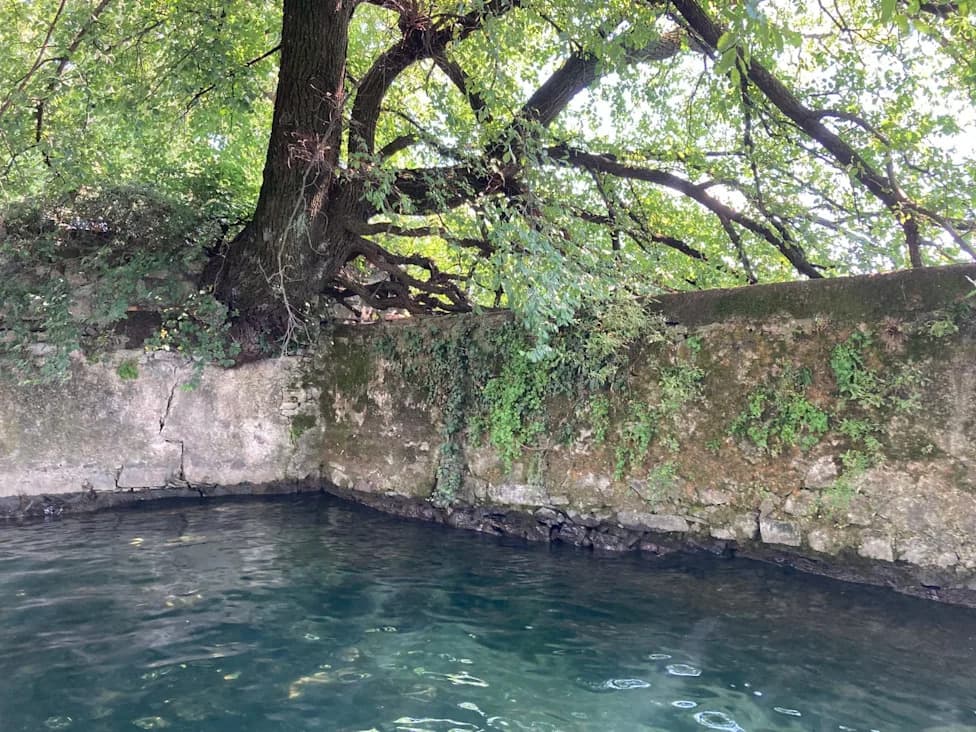
Archaeologists were surprised to find a large number of skeletons and skeletal fragments placed in atypical contexts such as ditches, wells and hastily cut shallow graves. Many of these remains were found closely associated with Roman military equipment: spears, arrowheads, fragments of helmets, pieces of segmented (lorica segmentata) and scale armor, legionary brooches, coins and caligae military sandals with preserved iron hobnails.
Scientific Work Underway
Specialized X-ray analysis of clay blocks produced remarkable images of intact hobnails from the sandals; the finds are now conserved in the SAS’s specialized laboratory for further study. Researchers emphasized that laboratory analyses — including radiocarbon dating, soil chemistry, isotopic studies and ancient DNA research — will be required to clarify the site’s chronology and the soldiers’ origins and causes of death.
Matej Ruttkay, director of the SAS Institute of Archaeology, said: "We have a unique opportunity to explore practically an entire Roman marching camp, which is extremely rare in the European context. We are clearly investigating a place that disappeared immediately after the military conflict between the Romans and the Germans."
Historical Context and Significance
The finds likely relate to Rome’s campaigns against the Marcomanni and other Germanic groups north of the Danube during Marcus Aurelius’s reign (A.D. 161–180). Those Marcomannic Wars were a major military focus for the emperor, and the discovery of a large temporary camp with hastily buried dead sheds new light on the intensity and abruptness of some frontier encounters.
This is a long-term project: specialists from multiple countries will be involved and many results are expected only after years of careful analysis. The site has the potential to contribute important new evidence about Roman military operations on the Danube frontier and the fate of soldiers during late second-century campaigns.
Help us improve.