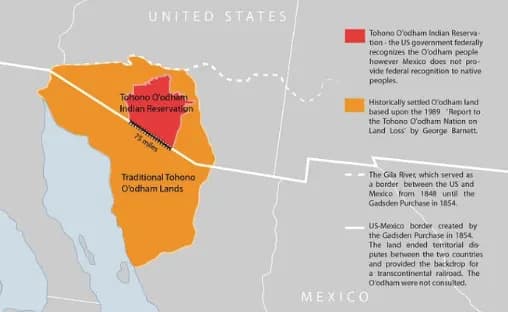
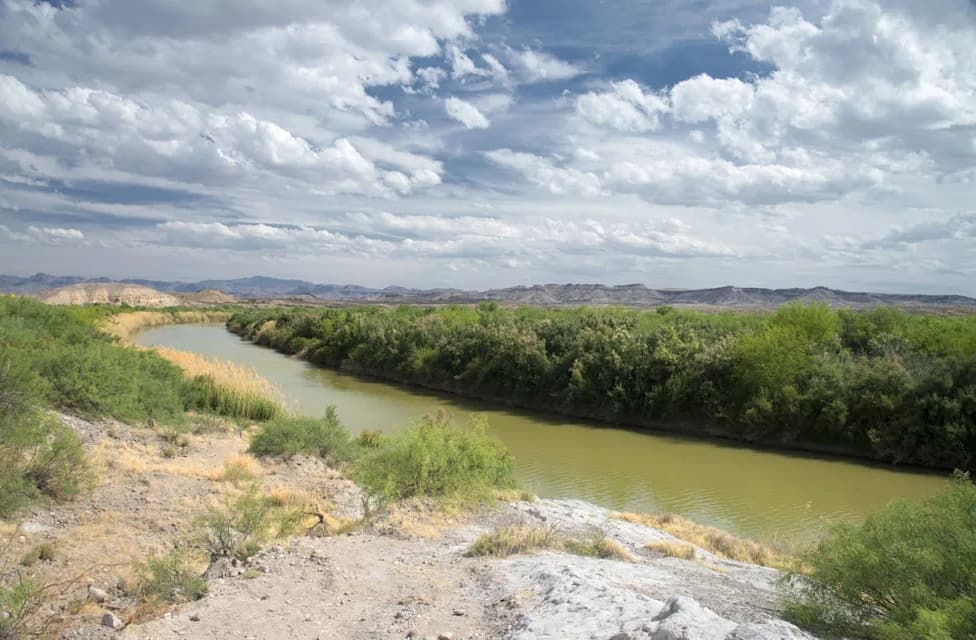
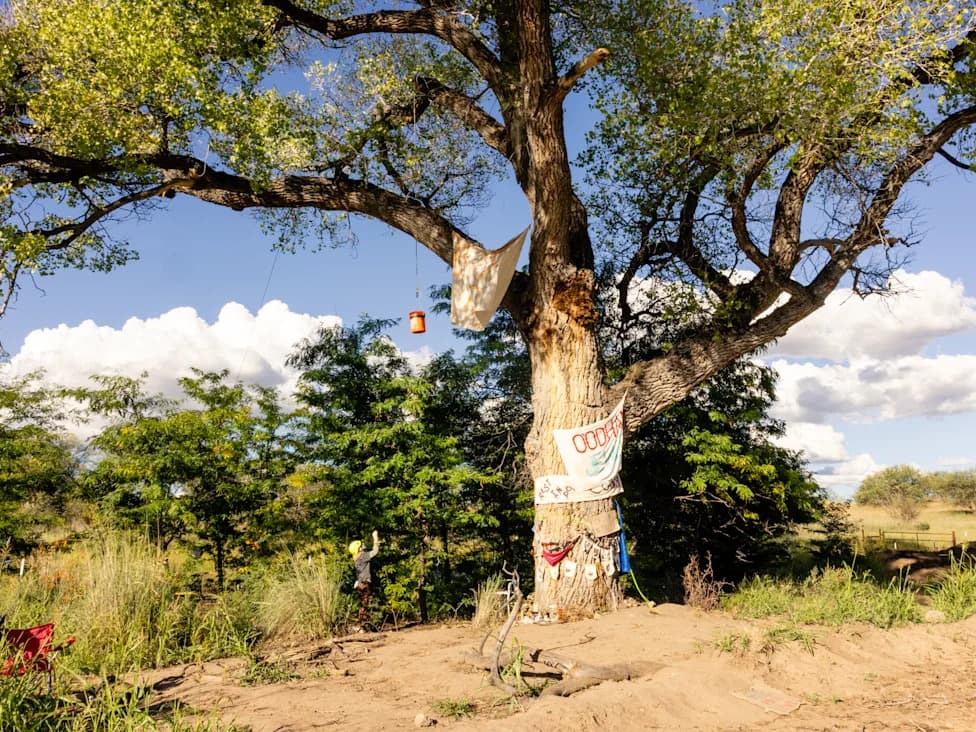
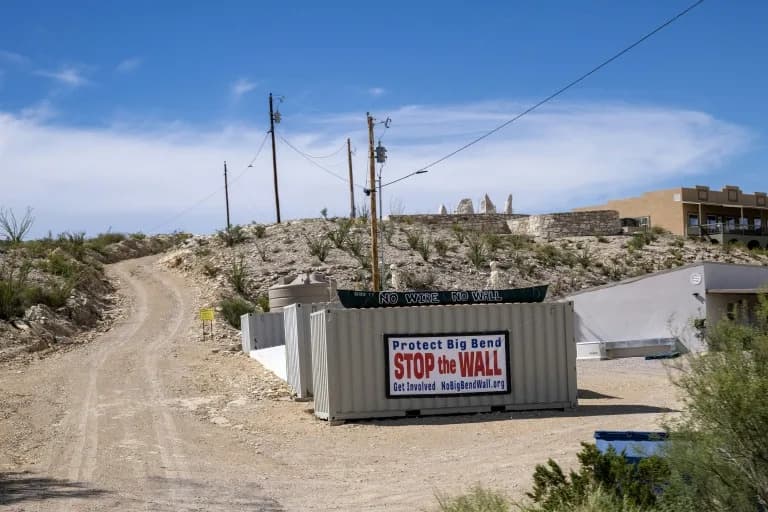
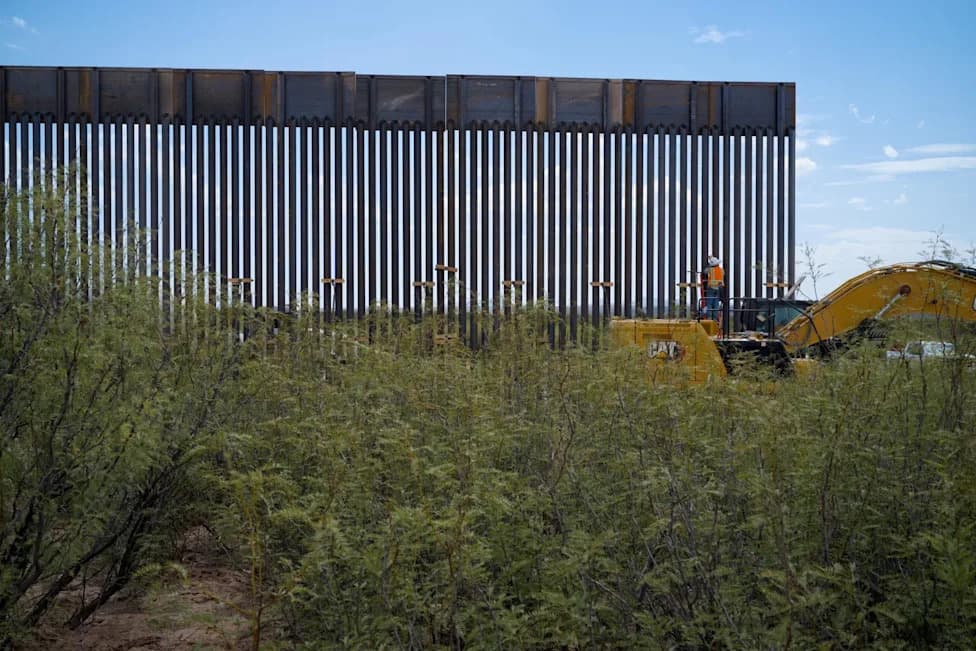
A federal district court in Washington, D.C., on Wednesday heard arguments in a lawsuit brought by the Tohono O'odham Nation challenging the U.S. Department of Homeland Security's plan to add new segments of border wall across the Nation's reservation along the U.S.-Mexico border.
Background
The Tohono O'odham Nation, a federally recognized tribe with more than 37,000 enrolled members, shares roughly a 62-mile international boundary with Mexico. Tribal leaders say the proposed construction would unlawfully reduce the reservation's effective boundaries, infringe on the Nation's sovereign rights, and amount to unauthorized work on tribal lands.
Legal Arguments Presented
At the hearing before U.S. District Judge Richard Leon, attorneys for the Nation argued the project would constitute a trespass on tribal territory and would violate the Nation's exclusive rights to use and manage its reservation and natural resources. The Nation asked the court to block construction of the proposed wall segments on reservation land.
"I want to thank the court for treating this issue with the urgency and seriousness it deserves," said Tohono O'odham Nation Chairman Verlon M. Jose. "The Nation's attorneys made a strong case for why this border wall construction would be illegal on our reservation and should not be allowed to move forward."
Cooperation With Federal Agencies
The lawsuit was filed despite the Nation's long record of cooperation with federal agencies on border security. For decades, the Tohono O'odham Nation has worked with U.S. Customs and Border Protection and other federal law enforcement partners. Tribal officials say they have authorized extensive federal operations and surveillance technologies along the border, coordinate their police force with U.S. Border Patrol, and spend millions annually supporting border-security activities.
According to the Nation, those cooperative measures have contributed to a sharp decline in apprehensions of people crossing the border illegally—by more than 95% over the past two years, the tribe says.
Tribal Concerns
Tribal leaders argue that additional physical barriers are unnecessary and would bring substantial harms: damage to environmentally sensitive areas, disturbance of sacred and burial sites, further division of O'odham communities whose traditional homelands span the international boundary, and significant costs to taxpayers. They say existing enforcement strategies provide a more effective and less damaging approach than new wall construction.
What's Next
After hearing arguments from both sides, Judge Leon requested additional information from both the Tohono O'odham Nation and the Department of Homeland Security before issuing a ruling. The court's next steps will depend on the further materials and legal briefs submitted by the parties.
Note: All factual claims about reductions in apprehensions and cooperation with federal agencies are attributed to statements by the Tohono O'odham Nation and its officials.