The Ninth Circuit declined to rehear three lawsuits aimed at protecting Oak Flat, a sacred Western Apache site in Arizona, prompting strong dissent from 11 Ninth Circuit judges who urged the U.S. Supreme Court to take up the case. Judge Susan P. Graber and other dissenting judges said the court erred and should have anticipated further litigation before irreversible harm occurred. Apache Stronghold and the San Carlos Apache Tribe continue separate legal efforts, and plaintiffs may petition the Supreme Court for review. Supporters are calling for continued prayer, protest, and legal advocacy to defend the site.
11 Ninth Circuit Judges Urge Supreme Court To Protect Oak Flat After Rehearing Denial
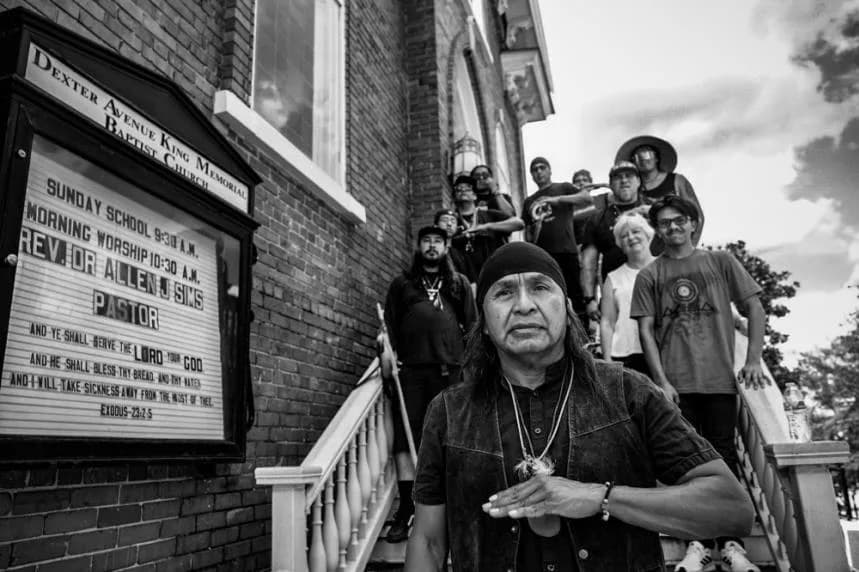
Dr. Wendsler Nosie, Sr. at Dexter Avenue Baptist Church on Sunday, Sept. 1, 2024. (Photo/Courtesy)
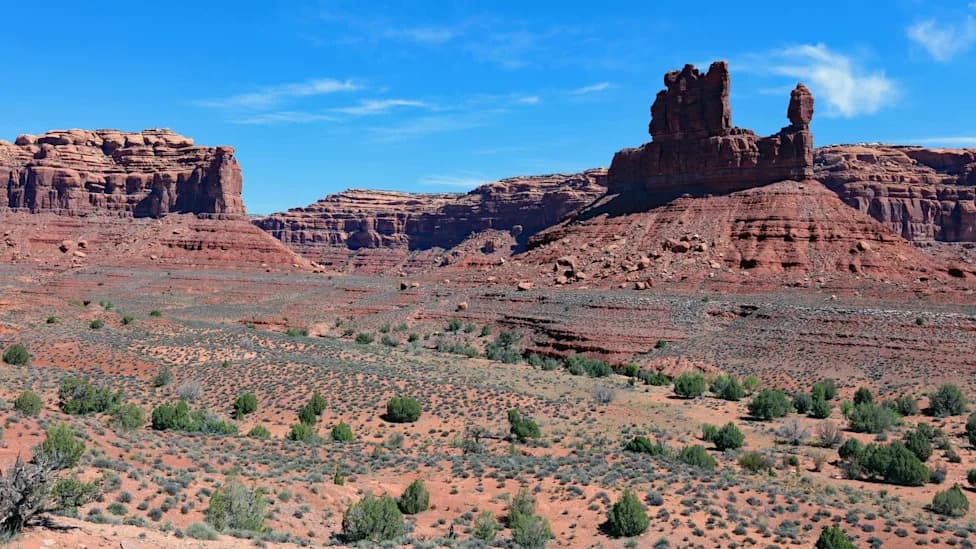
The U.S. Court of Appeals for the Ninth Circuit on Tuesday declined to rehear three lawsuits seeking to protect Oak Flat, a culturally and spiritually significant site for the Western Apache in Arizona. The denial represents another legal setback for opponents of the proposed Resolution Copper mine, but it drew unusually strong criticism from 11 Ninth Circuit judges who urged the U.S. Supreme Court to consider the matter.
Strong judicial dissent
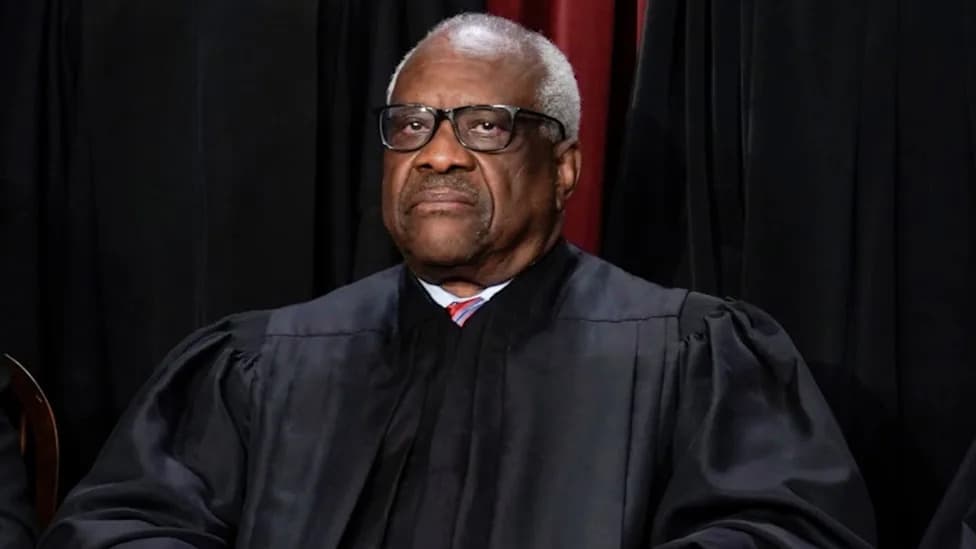
In an opinion joined by 10 other judges, Judge Susan P. Graber candidly acknowledged errors in the court's earlier handling of the litigation. 'We were wrong,' Graber wrote, arguing the court should have anticipated further litigation and reconsidered the matter before any irreversible harm could occur. She warned that the courts now face what she described as 'our last chance to prevent the irreversible desecration of a place, of a religion, and of a people.'
Another judge wrote separately to criticize what he called the court's 'badly fractured decision' and emphasized Oak Flat's profound cultural and spiritual importance to the Western Apache. Chief Judge Mary H. Murguia also joined the chorus of dissent, characterizing the refusal to rehear the cases as a 'tragic error' and urging the Supreme Court to intervene to prevent permanent damage to the site.
Who is suing and what’s next
The litigation includes suits by the San Carlos Apache Tribe, the Arizona Mining Reform Coalition, and seven Apache girls and women who seek to block the transfer of Oak Flat and prevent its destruction by the proposed mine. Plaintiffs now have the option to petition the U.S. Supreme Court for review of the Ninth Circuit's rulings.
Separately, Apache Stronghold—founded by Dr. Wendsler Nosie Sr., a former chairman of the San Carlos Apache Tribe—has an independent challenge pending in federal district court in Phoenix. The federal government and Resolution Copper have asked that district court to dismiss Apache Stronghold's case; Apache Stronghold has urged the court to allow the litigation to proceed so it can argue that the proposed destruction would violate federal law.
'While this is disappointing news, we are heartened that eleven judges joined opinions criticizing the court's decision as a "tragic error" and calling for the Supreme Court to step in,' Nosie said. 'Thus, the fight to protect Oak Flat is far from over. It is coming again to the Supreme Court.'
'No matter what happens in court, we will never stop defending Oak Flat, our spiritual lifeblood and the place where our people have prayed and conducted ceremonies since time immemorial,' Nosie added. 'Oak Flat deserves the same respect and protection this country has long given to other places of worship.'
What this means
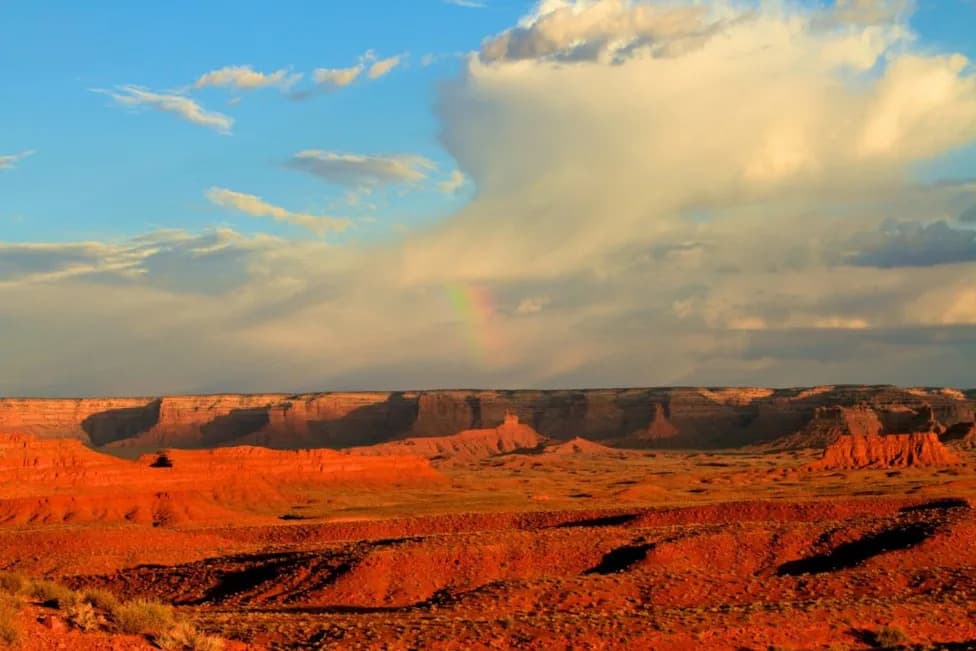
The Ninth Circuit's refusal to rehear the cases does not end the legal battle. Plaintiffs may petition the Supreme Court for review, and Apache Stronghold's separate lawsuit remains pending in federal district court. For the San Carlos Apache and other opponents, Oak Flat is far more than public land: it is a sacred landscape where generations have maintained spiritual practices and ceremonies. Supporters and tribal advocates continue to call for prayer, protest, and legal action to defend the site.
Help us improve.