Summary: New Jersey says a motor-vehicle software glitch auto-registered about 6,600 people who reported they were not citizens; roughly 400 cast ballots. The state-level problem is a tiny fraction of New Jersey’s more than 6.6 million voters and is not evidence of systemic fraud, experts say. DHS has cited a larger ceiling of possible noncitizen registrations across four states (up to 278,000), but provided limited methodological detail; data-matching systems like SAVE can be error-prone and headline figures often shrink after state review.
Why New Jersey’s Noncitizen Registrations Don’t Prove Widespread Election Fraud
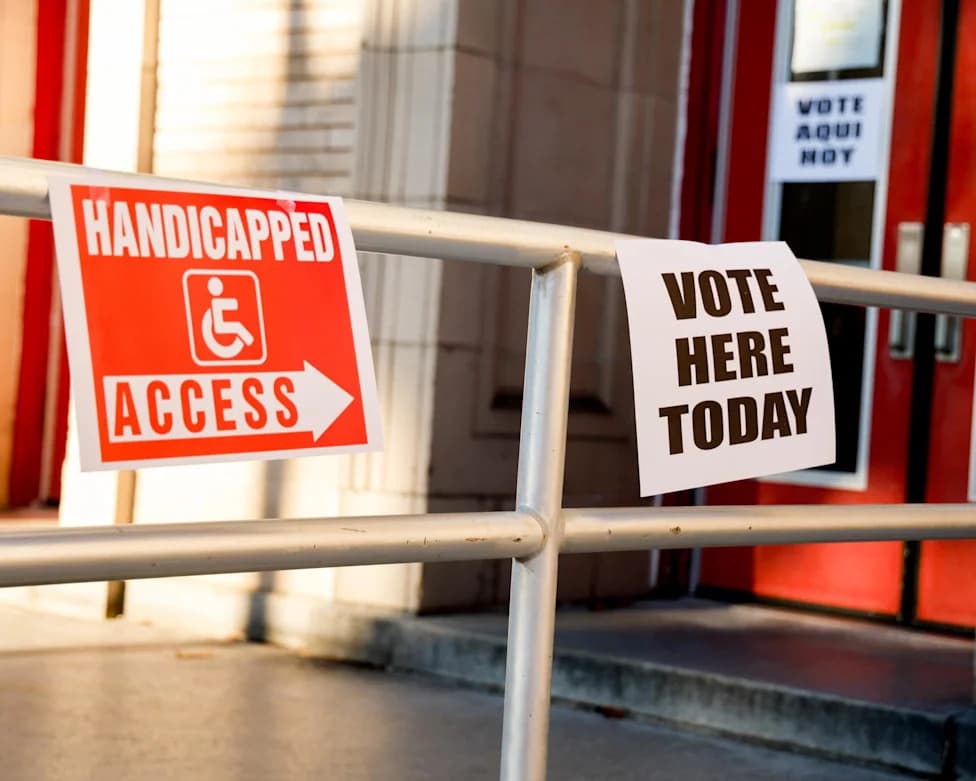
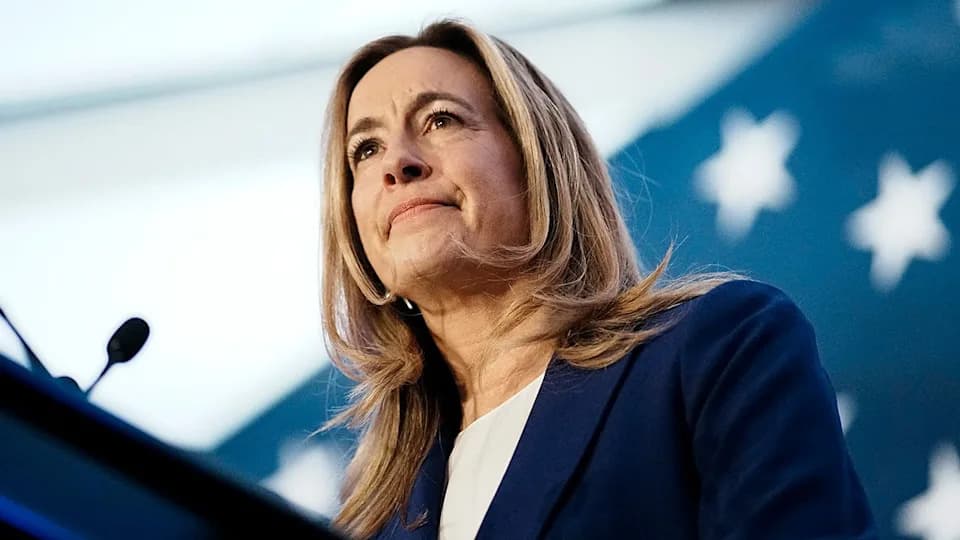
It also comes as Republicans are pushing legislation that would impose new proof-of-citizenship requirements on voter registration.Photograph: John Lamparski/Bloomberg via Getty Images
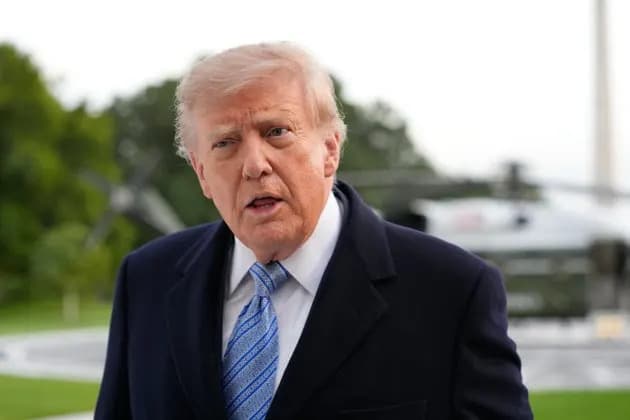
New Jersey officials disclosed that a motor-vehicle software error led to roughly 6,600 people who had indicated they were not U.S. citizens being added to the state's voter rolls; about 400 of those individuals cast ballots, according to Governor Mikie Sherrill. Within hours the episode was repeatedly amplified by former President Donald Trump and other critics as evidence of systemic noncitizen voting — a claim election experts say the facts do not support.
What Happened In New Jersey
New Jersey uses automatic voter registration at motor vehicle offices: anyone who interacts with the motor vehicle agency is enrolled to vote unless they opt out. Between 2023 and 2024, some 6,600 people who reported noncitizen status were nevertheless recorded as registered voters because of a software issue. State investigators say roughly 400 of those incorrectly registered individuals cast a ballot.
How This Compares To The Bigger Claims
Trump and some allies cited a much larger figure from the Department of Homeland Security (DHS) — a claim that up to 278,000 noncitizens could be on voter rolls across four states (California, Nevada, Pennsylvania and New Jersey). A review of DHS correspondence shows the agency framed that 278,000 number as a ceiling rather than a definitive count and provided limited explanation of its matching methodology.
In New Jersey, DHS told state officials there could be as many as 35,152 noncitizens on the rolls and that it had matched 19,497 voter records to noncitizens in its system, but DHS did not explain how it derived the remaining figures.
Why Experts Urge Caution
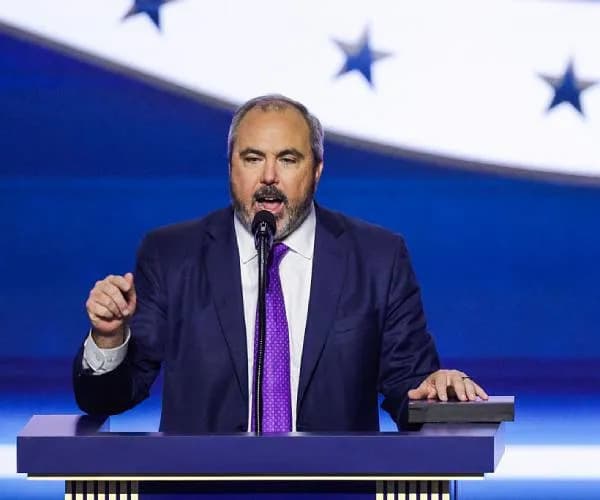
Election-administration experts say the New Jersey finding is a small administrative error, not proof of widespread fraud. David Becker of the Center for Election Innovation and Research called the registrations a "minuscule fraction" of New Jersey's more than 6.6 million registered voters and estimated the incorrect registrations could equal roughly 0.009% of ballots cast in the 2024 general election — far too small to change statewide outcomes.
Experts also caution that cross-database matching is difficult. DHS reportedly used a federal system known as SAVE (Systematic Alien Verification for Entitlements) to identify potential noncitizens, but SAVE and similar matching exercises can be error-prone when public voter files lack unique identifiers such as reliable immigration numbers or Social Security data. MIT professor Charles Stewart III and other analysts warned large headline numbers often fall as investigators reconcile records.
Politics, Transparency And State Authority
Critics argue that DHS’s letters — which gave states only two weeks to respond and offered little methodological detail — risk sowing confusion and post-election challenges without providing the transparency needed to validate claims. State election officials, who have richer data and direct access to records, are generally regarded as best positioned to detect and correct registration errors.
Past episodes illustrate the point: in 2019 Texas officials initially publicized a large noncitizen-registration estimate that later proved driven by faulty data and was scaled back after state review.
Bottom Line
The New Jersey incident reflects an administrative registration error that affected a very small share of voters. While any error in the voter roll should be investigated and fixed, current evidence does not substantiate claims that noncitizen registrations in New Jersey — or the larger DHS headline figures — amount to systemic, election-changing fraud.
Help us improve.