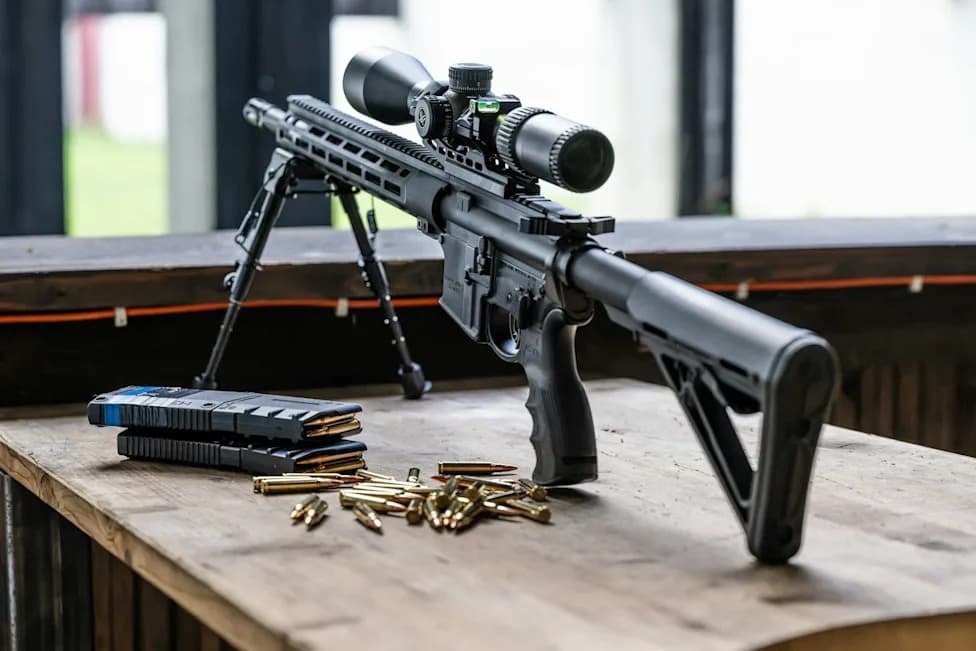
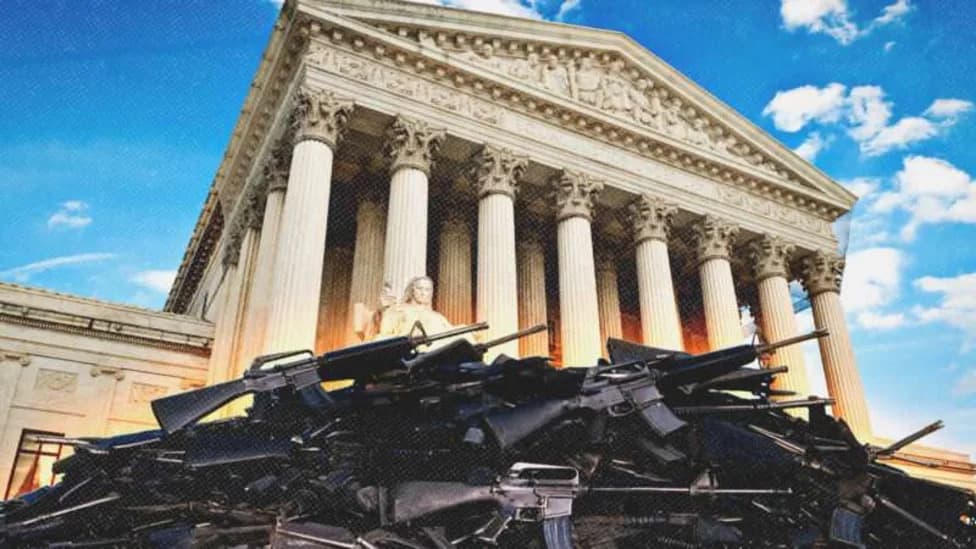
New Jersey's long-standing 1990 assault-weapons ban has been substantially weakened after a 3rd Circuit Court of Appeals ruling that invalidated prohibitions on certain semi-automatic rifles and high-capacity magazines. Democratic leaders are divided between pursuing new gun-safety measures that may invite more court challenges and targeting narrower policies, such as a stalled storage bill (A3560), that could be more defensible. The Attorney General's office is "considering its options," and the U.S. Supreme Court is set to hear related assault-weapons cases this fall, creating further national implications.
After Major 3rd Circuit Ruling, New Jersey Democrats Debate Next Steps on Gun Laws
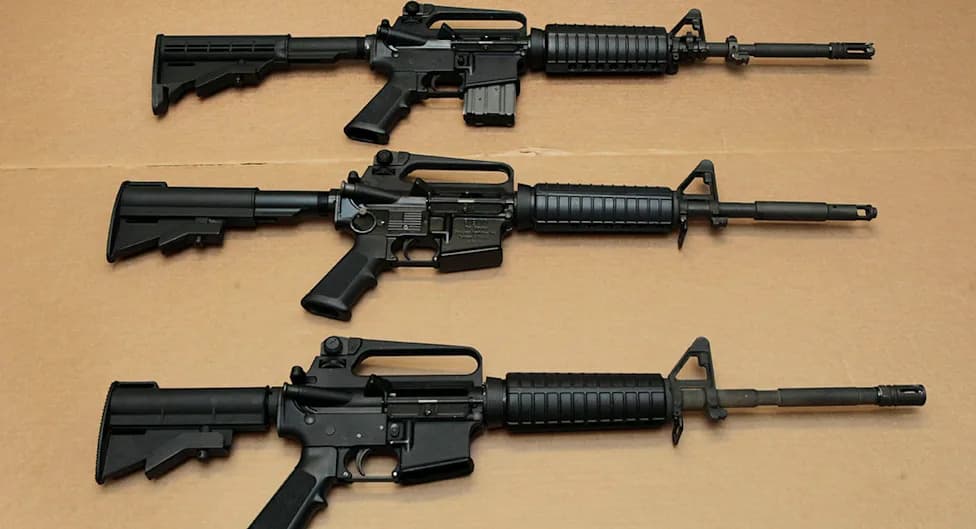
After string of legal setbacks, New Jersey lawmakers weigh how to proceed on guns
New Jersey's landmark 1990 assault-weapons ban — signed by Gov. Jim Florio — has been sharply undercut after a recent decision by the U.S. 3rd Circuit Court of Appeals. The court ruled that prohibitions on many semi-automatic rifles and magazines that hold more than 10 rounds violate the Second Amendment, creating new legal uncertainty for the state's strict firearm regulations.
What the Ruling Means
The 3rd Circuit opinion is the latest in a wave of federal rulings reshaping the national legal landscape around gun policy. For New Jersey lawmakers who have long pointed to tough regulations as a way to reduce gun violence, the decision removes several previously relied-upon tools and raises questions about which measures can survive judicial review.
Political Response And Possible Paths Forward
Democratic leaders in Trenton are weighing how to respond. Some urge continued legislative action even if it risks further court defeats; others urge caution to avoid repeated, costly litigation. Mikie Sherrill, a Democratic congresswoman from New Jersey, urged lawmakers to keep pushing for protections she called necessary to safeguard children, saying she supports testing the courts rather than abandoning efforts to tighten gun safety.
Assembly Majority Leader Lou Greenwald has pointed to a concrete legislative option: A3560, a storage law proposed in 2021 that would require firearms in homes to be unloaded and locked or face penalties. The bill has not reached a full-floor vote but has emerged as a possible next step because it targets storage practices rather than weapon categories that courts have already invalidated.
But many high-profile regulations Democrats favor — including assault-weapons bans and strict concealed-carry limits — have already been struck down or substantially narrowed by courts. That history means any new measures are likely to prompt immediate challenges from gun-rights organizations, potentially returning the state to litigation and uncertainty.
Legal Options And Timing
The state Attorney General's office said it was "considering its options" after the 3rd Circuit ruling. An appeal to the U.S. Supreme Court is a possibility, especially as the high court has signaled it will hear challenges to assault-weapons bans this fall in cases from Connecticut and Illinois. A nationwide decision from the Supreme Court could produce a binding standard that affects New Jersey and other states.
At the same time, the Legislature's calendar limits immediate action: the summer recess began on July 1, and lawmakers are not scheduled to return until September at the earliest. Even after reconvening, drafting, negotiating and passing new legislation — and defending it in court — typically takes months.
Background: A Long Legal and Political History
New Jersey's 1990 statute, signed by Gov. Jim Florio, once stood among the nation's strictest gun-control measures and provoked intense political backlash at the time. Since then, the legal terrain has shifted repeatedly: the U.S. Supreme Court's 2022 decision in New York State Rifle & Pistol Association v. Bruen changed how courts analyze restrictions on carrying firearms, forcing states including New Jersey to rework concealed-carry rules. New Jersey's subsequent overhaul of its carry laws — which included restrictions on where guns may be carried and an insurance mandate for gun owners — still faces litigation and partial injunctions.
With federal and circuit courts increasingly pivotal in determining what state legislatures can do, New Jersey's Democratic leaders face a strategic choice: pursue iterative legislation that tests legal boundaries, or pivot to measures more likely to survive judicial scrutiny. Advocates on both sides expect continued legal battles regardless of the path chosen.
"There's always something left to do — a new twist on the legislation, then let the courts weigh in," said Loretta Weinberg, a former state Senate Democratic majority leader. "I don't think the Legislature should be willing to give up the battle to make it safer to live in New Jersey."
As the courts sort these questions out, New Jersey's lawmakers will have to balance political priorities, public safety goals, fiscal and legal costs, and the likelihood of success before moving forward.
Help us improve.