The Supreme Court has been asked to hear Ream v. U.S. Department of the Treasury, a challenge to the federal ban on home distilling brought by Ohio brewery owner John Ream. The government defends the prohibition under the Commerce Clause and points to Gonzales v. Raich (2005), which allowed federal regulation of in-state marijuana because of aggregate market effects. Ream’s lawyers ask the Court to overrule or limit Raich, arguing that Congress cannot criminalize purely local, noncommercial conduct without an identified enumerated power. The petition revives a debate that stretches back to Wickard v. Filburn (1942) and could narrow federal regulatory reach if the Court sides with Ream.
From Weed to Whiskey: Supreme Court Asked to Revisit the Commerce Clause in Ream v. Treasury
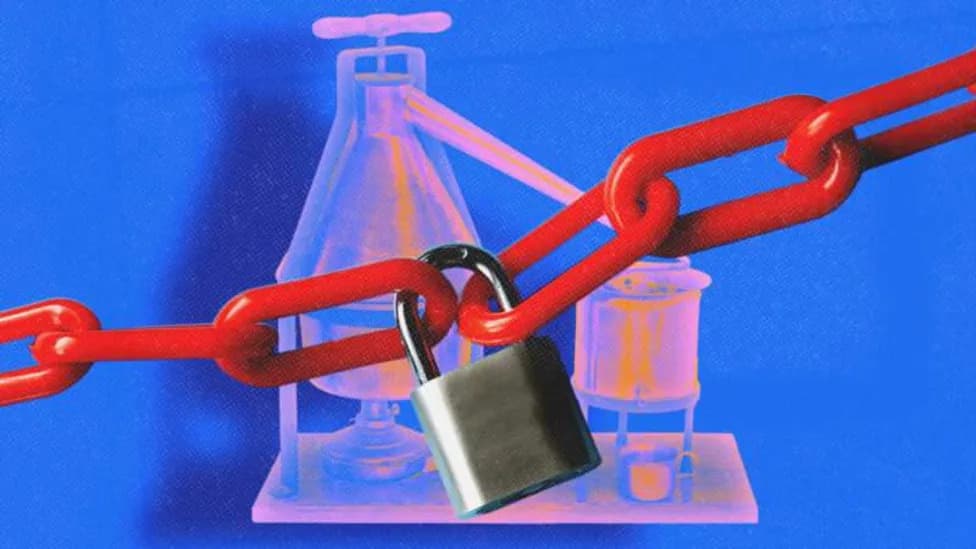
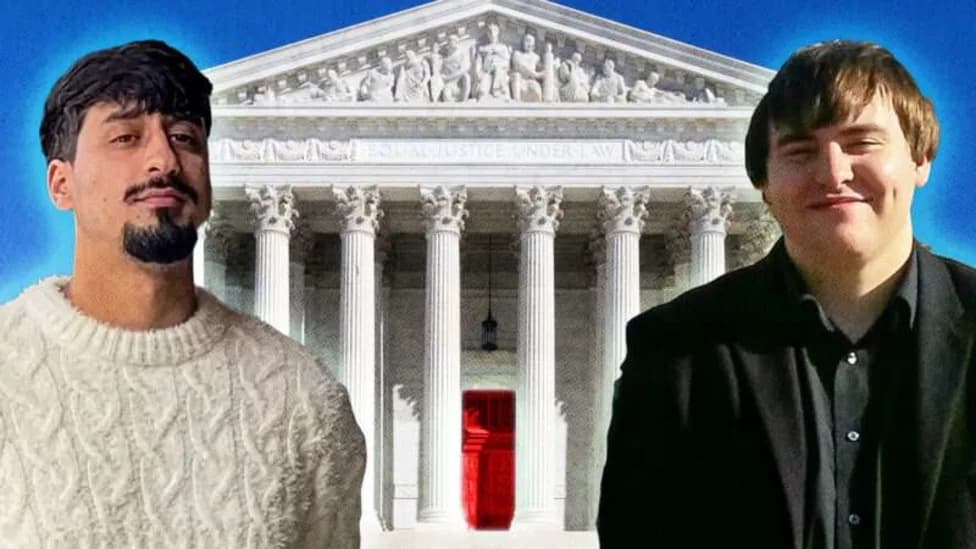
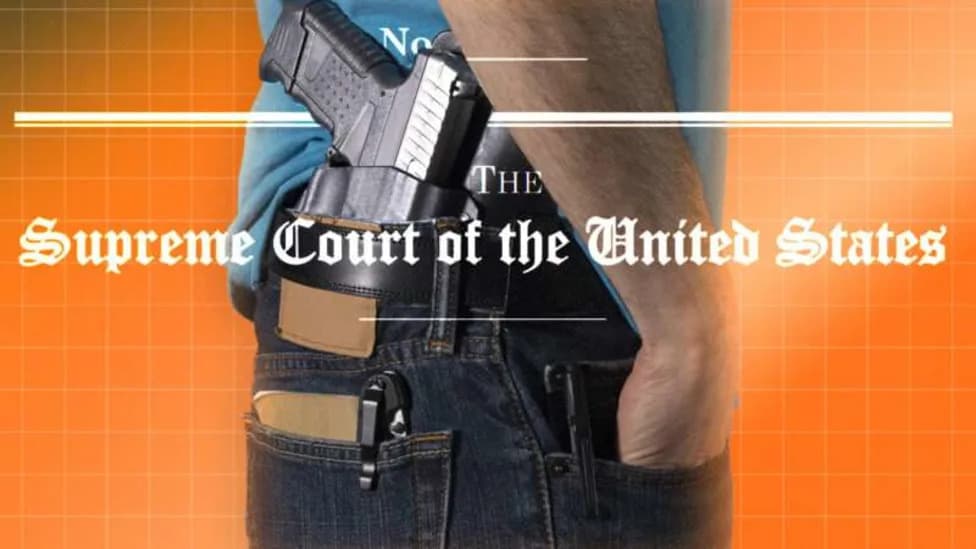
Illustration: Ioannis Syrigos/Dreamstime/Rfaizal707/Envato
Earlier this week, attorneys for Ohio craft-brewery owner John Ream asked the U.S. Supreme Court to take up Ream v. U.S. Department of the Treasury, a case that could reshape the boundaries of federal regulatory power. Ream says he wants to distill hard liquor at home solely for personal use but is barred from doing so by federal law. The petition asks the Justices to reconsider how far Congress’s Commerce Clause authority reaches into private, noncommercial activity within a single state.
What the Case Argues
The federal government defends the ban on home distilling as a valid exercise of Congress’s power "to regulate Commerce…among the several States." In support, it relies on Gonzales v. Raich (2005), which upheld federal prohibitions on marijuana even when cultivation and consumption occurred entirely within a single state and were legal under state law.
"If Congress can regulate this under the Commerce Clause," warned Justice Clarence Thomas in his Raich dissent, "then it can regulate anything—and the Federal Government is no longer one of limited and enumerated powers."
What Ream Is Asking the Court To Do
Ream's petition for a writ of certiorari asks the Court either to overrule Raich or to clarify that Congress’s commerce power does not extend to purely local, noncommercial conduct and that such exercises of power must face meaningful judicial scrutiny. The brief frames the question starkly: must the federal government still point to an enumerated power before criminalizing conduct that occurs at home?
Judicial Lineage: From Wickard to Raich
The dispute ties directly into the Court’s Commerce Clause jurisprudence, which traces back to Wickard v. Filburn (1942). In Wickard, the Court allowed federal regulation of a farmer who grew wheat for personal use because, in the aggregate, his actions had a "substantial economic effect" on the national wheat market. Raich later extended that reasoning to intrastate cultivation and use of medical marijuana, emphasizing aggregate market impacts and the federal interest in regulating a national illicit-drug market.
Why It Matters
If the Supreme Court agrees to hear Ream and narrows or overrules Raich, the decision could impose new limits on Congress’s ability to regulate local, noncommercial activity. Such a ruling would have broad implications for federal criminal statutes and for how far national regulation can reach into everyday, intrastate conduct.
Whether a homemade shot of whiskey produces a different constitutional outcome than a puff of homegrown marijuana remains to be seen, but the case promises to be a major test of the Commerce Clause and of the balance between federal authority and individual liberty.
Originally published on Reason.com.
Help us improve.