Makarewa residents are demanding answers after approval of a US$3 billion Datagrid AI data center covering 49 hectares and expected to use about 6% of New Zealand's electricity. Activists say their primary concern is a lack of transparency and community consultation; Datagrid has not responded to requests for a public meeting. Critics warn of higher power prices and environmental strain, while industry figures argue closed-loop cooling and new generation investment can mitigate impacts and attract overseas capital.
Makarewa Residents Demand Answers as Datagrid’s $3B AI Campus Would Use 6% Of New Zealand’s Power

Image Credit: 1 News.
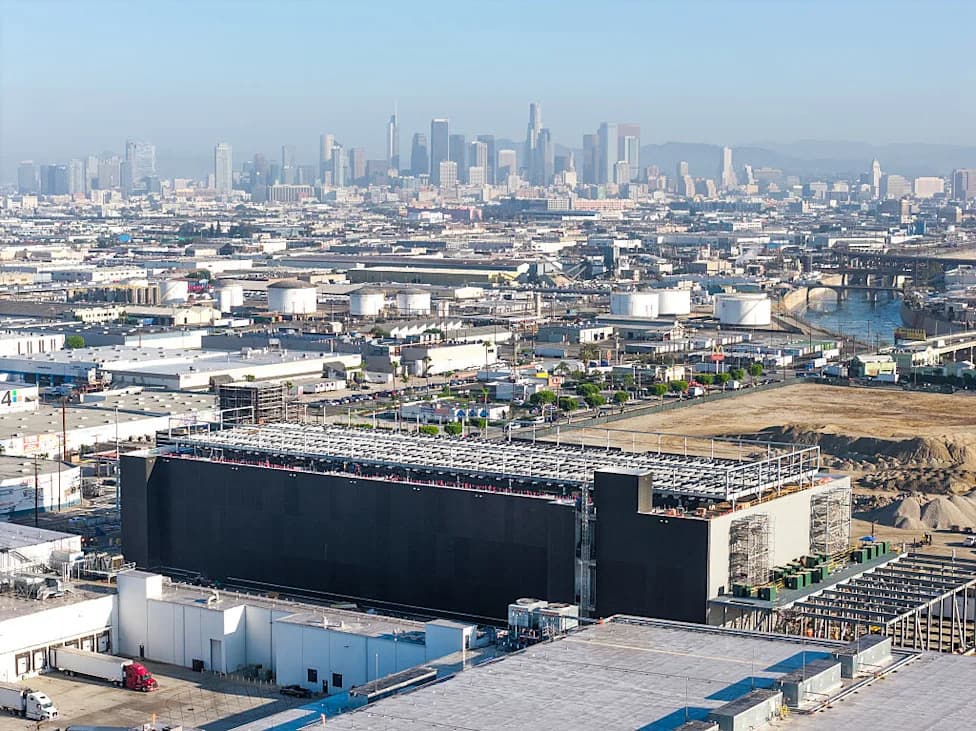
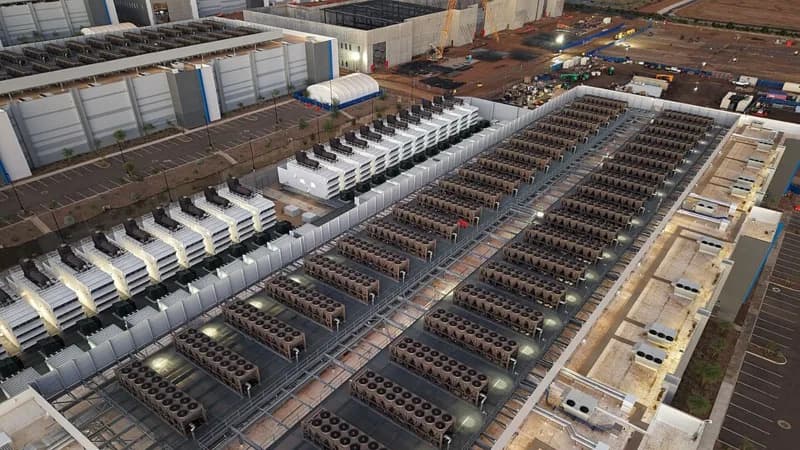
Residents of Makarewa, a small Southland town, are pressing for clear answers after approval was granted for a US$3 billion hyperscale AI data center developed by Datagrid. The 49-hectare (about 121-acre) campus is projected to become New Zealand’s largest data center and is estimated to consume roughly 6% of the country’s total electricity—making it the nation’s second-largest single power user if those estimates hold.
Local Concerns: Process, Transparency and Local Impact
Campaigners led by Kelly Blomfield insist their objection is to the approval process rather than to AI or data centers themselves. Blomfield’s group says locals were not given a meaningful opportunity to have their voices heard and has sought a public meeting where residents can ask Datagrid directly how the facility will affect power prices, local infrastructure and the environment. While the local council has agreed to participate in the meeting, Datagrid has not responded to invitations so far, deepening community frustration.
National Push For AI Investment
The project follows a national push by Invest NZ to attract overseas AI investment, promoting a wider NZ$30 billion opportunity and identifying Southland as an attractive site because of abundant renewable energy. New Zealand currently has roughly 56 data centers with about 20 more planned, reflecting growing global interest in hyperscale facilities.
Debate: Economic Opportunity Vs. Environmental And Price Concerns
Critics warn large data centers can strain electricity systems and raise power prices for local consumers. Don Christie, director of Wellington software firm Catalyst, argues the Datagrid campus primarily serves overseas customers and could increase renewable energy prices for New Zealanders—an outcome he says has occurred in other jurisdictions where data centers concentrate.
Kelly Blomfield: “We are not anti-technology or anti-progress. We are anti-no-transparency—Southlanders were not given a fair chance to say whether they back this project.”
Industry representatives counter that the project could spur new generation investment. Graeme Muller, CEO of Tech NZ, says modern designs mitigate common environmental concerns: closed-loop cooling reduces continuous freshwater consumption, and the presence of a large, reliable customer can incentivize investors to fund additional electricity generation to guarantee uninterrupted supply.
Graeme Muller: “A large new user often creates the commercial case for more generation. That outside capital can help fund the electricity system.”
International Echoes
The local dispute mirrors protests overseas. On July 18, the U.S.-based group HumansFirst organized demonstrations at more than 125 sites nationwide to protest data center construction, citing power demand, water use and lack of local consent. A Gallup poll cited in coverage found 70% of Americans would oppose an AI data center being built in their own community—an indicator of rising local resistance to large-scale facilities.
With the public meeting still pending and Datagrid yet to reply, Makarewa residents continue to press for transparency and direct answers about how the campus will affect electricity prices, water resources and community life. The debate highlights a broader tension: balancing rapid AI infrastructure investment with local consultation and environmental protections.
Help us improve.