The article profiles transgender aid workers in Nepal who lost their jobs after major cuts to USAID funding and were forced into sex work to survive. It follows former outreach workers who now face violence, discrimination and heightened HIV risk after prevention and treatment services were disrupted. Health officials warn that reduced testing and prevention supplies could increase HIV transmission locally and regionally.
Sex Work or Starve: Nepalese Aid Workers Turn to the Streets After USAID Cuts

Princy Tamang, a former HIV outreach worker who turned to sex work to survive after losing her job amid the U.S. foreign aid cuts, poses for a portrait, Friday, May 15, 2026, in Hetauda, Nepal. Tamang, who has endured beatings from clients and has been forced to have sex without condoms since transitioning to sex work, fears she will contract HIV. (AP Photo/Bram Janssen)(AP Photo/Bram Janssen)
HETAUDA, Nepal — Rubi Lama paces the edge of a dimly lit highway in central Nepal, the fleeting glare of passing trucks illuminating her painted face as men arrive on rickshaws and motorbikes. Every client could threaten her safety, she says. Yet their payments are the only thing keeping her alive.
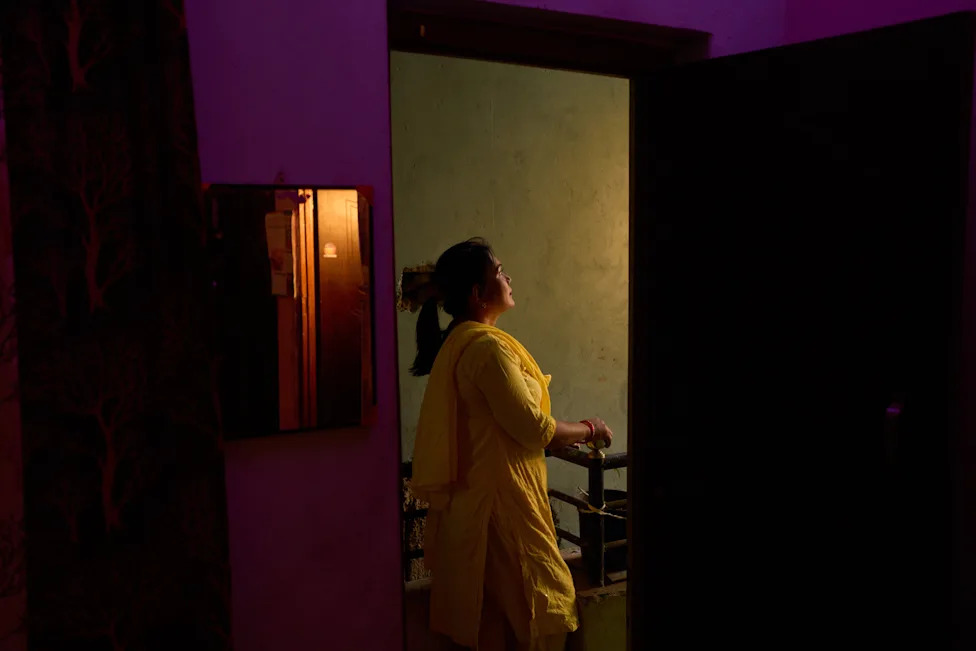
Bharati Thapa, a former HIV outreach worker who turned to sex work to survive after losing her job amid the U.S. foreign aid cuts, poses for a portrait outside the office of her former NGO, Wednesday, May 20, 2026, in Hetauda, Nepal. Thapa, who suffered a gang rape on her first night as a sex worker, says she fears her new line of work will kill her. (AP Photo/Bram Janssen)(AP Photo/Bram Janssen)
From Outreach to Survival
That stretch of road, littered with used condoms and bordered by jungle, was once familiar to Lama for another reason: she used to come here as an outreach worker. For nine years, Lama — who is transgender — led HIV testing, counseling and prevention efforts for marginalized communities, including LGBTQ+ sex workers. After massive cuts to U.S. foreign aid and the effective dismantling of USAID in early 2025, Lama and thousands of colleagues lost their jobs.
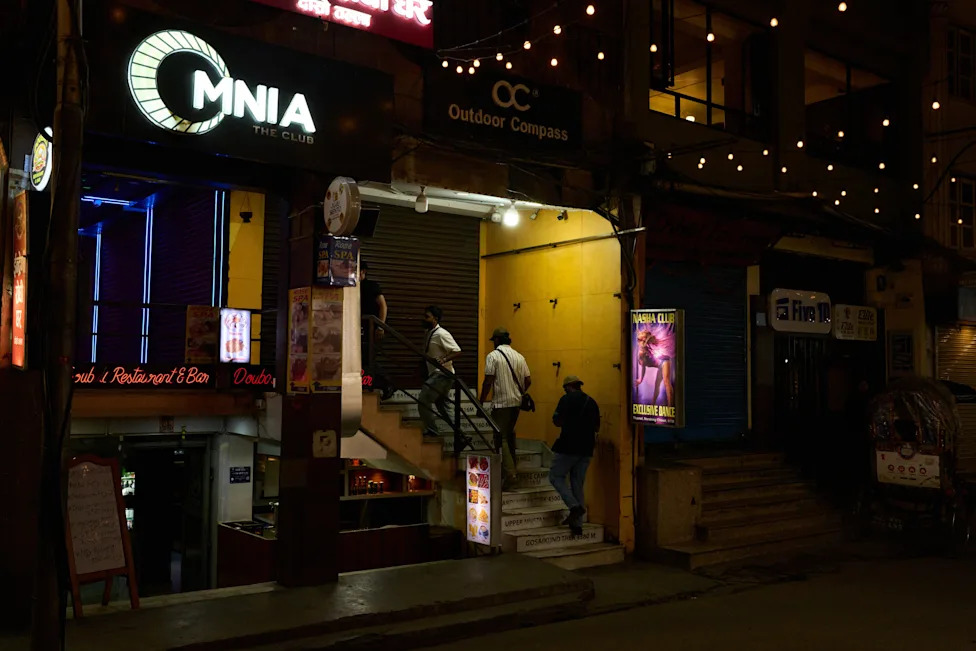
Men enter a club in Kathmandu, Nepal, Thursday, May 21, 2026. (AP Photo/Bram Janssen)(AP Photo/Bram Janssen)
Wider Fallout
Of the more than 281,000 aid jobs eliminated worldwide, only about 23,000 belonged to Americans; most were held by local staff in low-income or conflict-affected regions. In Nepal, officials estimate roughly 35,000 aid workers were impacted. Local groups that relied heavily on U.S. funding — including the Blue Diamond Society and its member organizations such as Friends Hetauda — saw services shuttered and staff dismissed.
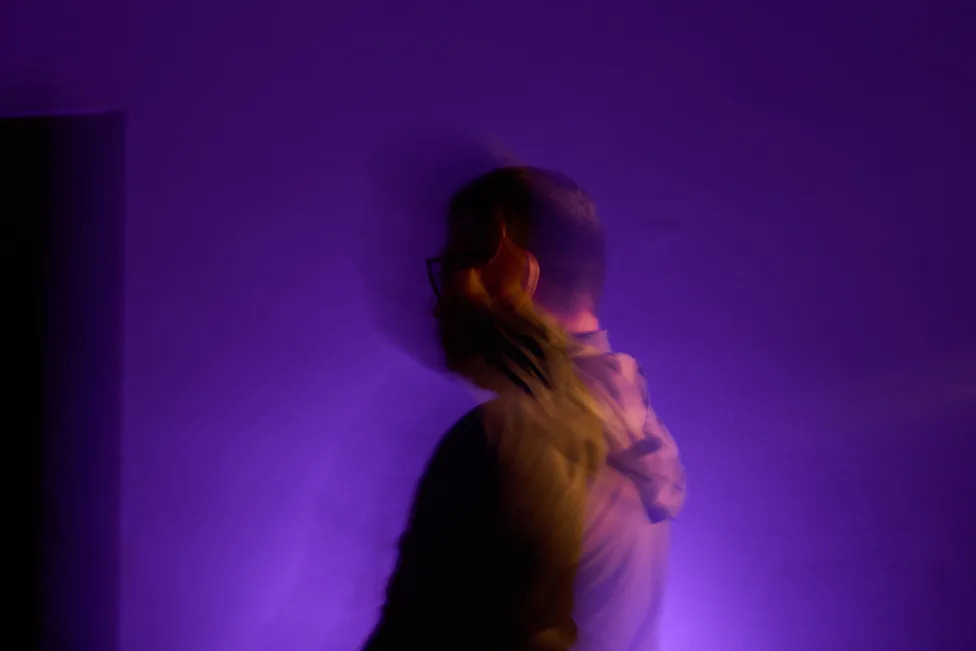
Rubi Lama, who is transgender and a former aid worker who turned to sex work to survive after losing her job amid the U.S. foreign aid cuts, poses for a photo before her transformation as she heads out to work on the streets, Friday, May 15, 2026, in Hetauda, Nepal. (AP Photo/Bram Janssen)(AP Photo/Bram Janssen)
Services Disrupted
The cuts halted critical HIV prevention and care: antiretroviral therapy distribution in some clinics, PrEP for HIV-negative people, free testing, condom and lubricant programs, and targeted outreach. The Blue Diamond Society received approximately 85% of its funding from USAID; when that funding disappeared, 262 of the society's 350 staffers lost their jobs and more than 1,200 clients lost access to PrEP.
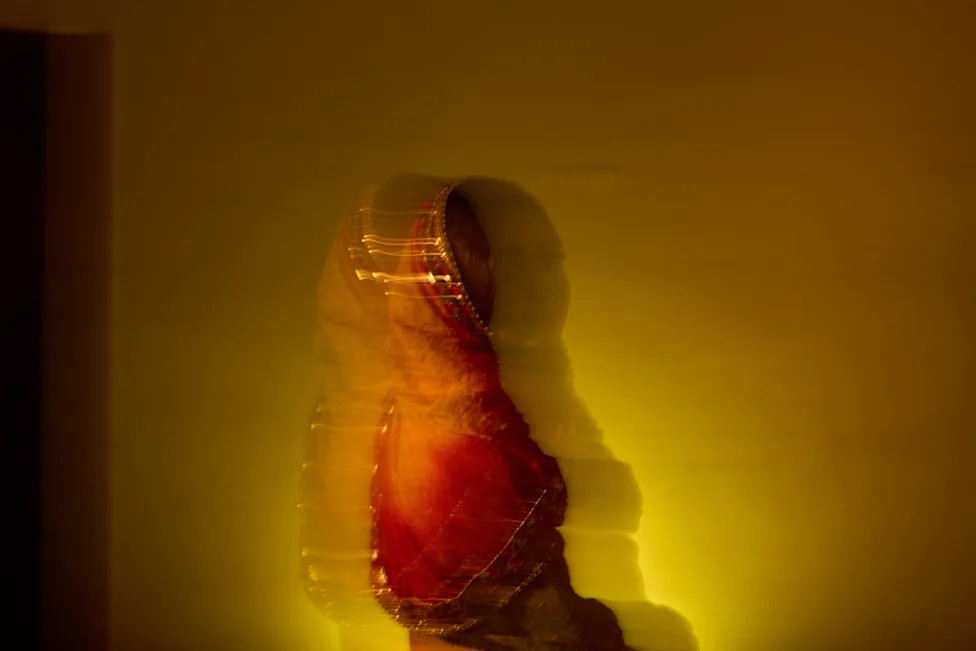
Rubi Lama, who is transgender and a former aid worker who turned to sex work to survive after losing her job amid the U.S. foreign aid cuts, poses for a photo after her transformation as she heads out to work on the streets, Friday, May 15, 2026, in Hetauda, Nepal. (AP Photo/Bram Janssen)(AP Photo/Bram Janssen)
From Counselors to Sex Workers
With limited legal employment opportunities for openly transgender people and pervasive discrimination, many laid-off LGBTQ+ aid workers faced a stark choice. Roughly 35% to 45% of displaced staffers from some organizations turned to sex work to survive. The article follows several former outreach workers — including Lama, Sujata Chaudhary, Aashika Tamang, Barsha Magar and Bharati Thapa — who describe escalating violence, sexual assault, and daily threats to their health and safety.
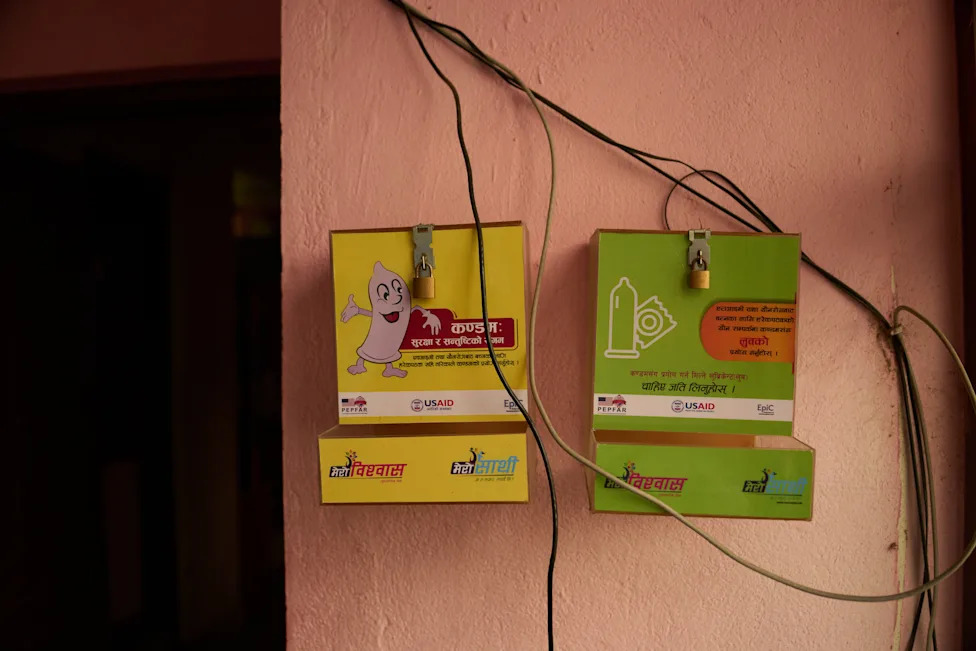
An empty condom dispenser hangs outside an office in Kathmandu, Nepal, Tuesday, May 12, 2026. (AP Photo/Bram Janssen)(AP Photo/Bram Janssen)
"One decision from one powerful country — all these services are cut," says Manisha Dhakal, executive director of the Blue Diamond Society. "The Trump administration's executive order will cause people to die."
Public-Health Risks
Health officials warn the consequences could extend beyond Nepal's borders. Reduced testing and prevention supplies are already visible: HIV testing fell by about 22% in high-burden countries, and funding for condoms dropped by more than 90% in some regions, according to U.N. data. Experts say migration and open borders can accelerate transmission if prevention and treatment programs remain interrupted.
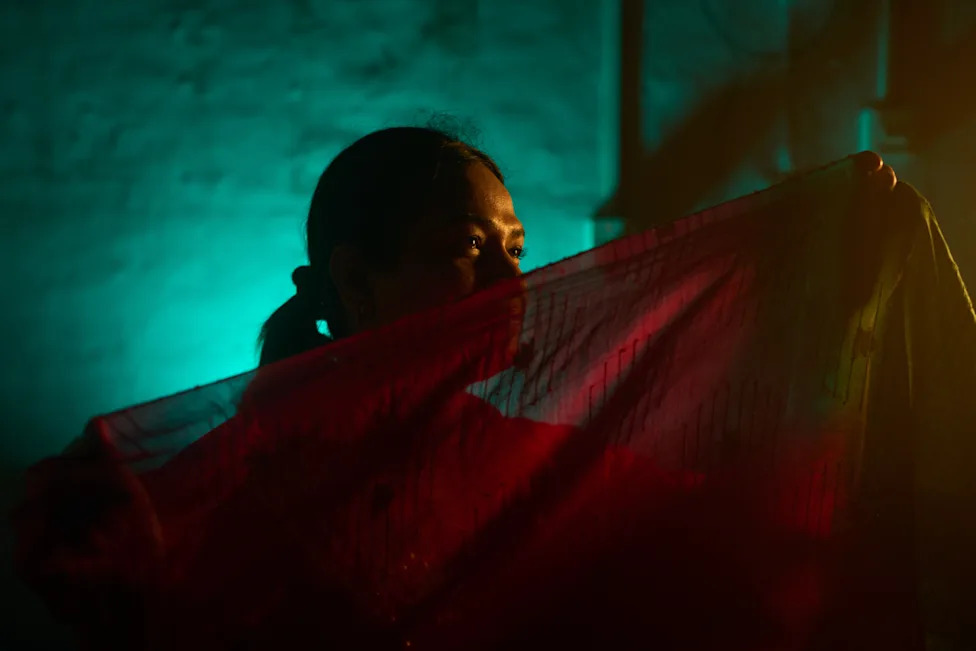
Sujata Chaudhary, who is transgender and a former aid worker who turned to sex work to survive after losing her job amid the U.S. foreign aid cuts, poses for a photo in Kathmandu, Nepal, Friday, May 22, 2026. (AP Photo/Bram Janssen)(AP Photo/Bram Janssen)
Human Stories
Former outreach workers describe a devastating reversal: those who once counseled sex workers now stand beside them in the dark, vulnerable to violence, rape and disease. Several recounted being coerced into unprotected sex, assaulted by clients, and beaten by police. Many avoid hospitals for fear of discrimination and can no longer afford medicines or basic protection like condoms and lubricant.
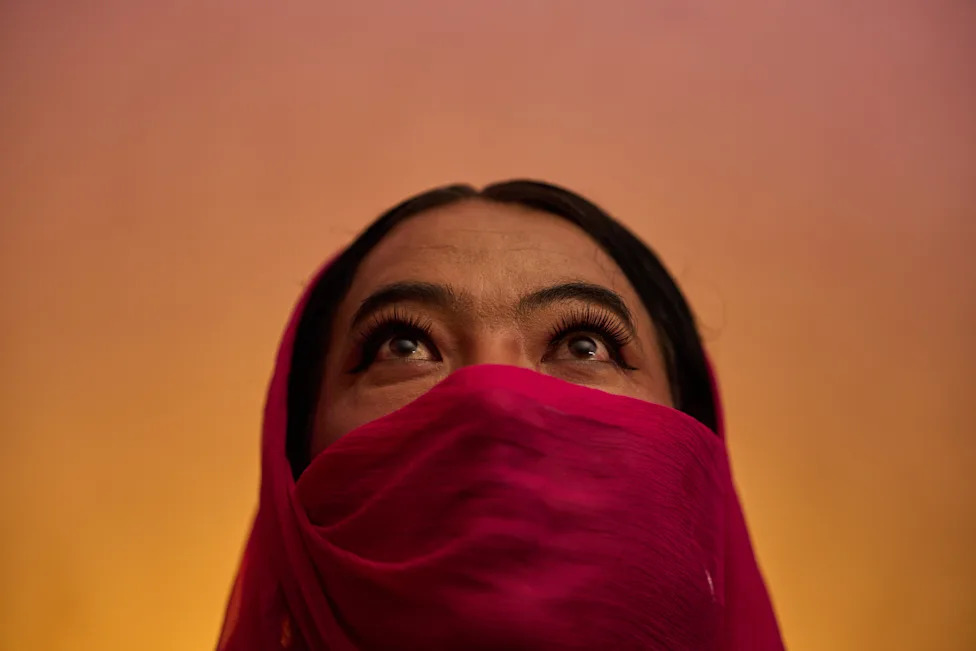
Barsha Magar, a former aid worker who turned to sex work to survive after losing her job amid the U.S. foreign aid cuts, poses for a photo, Sunday, May 17, 2026, in Hetauda, Nepal. Magar spent 16 years as an HIV outreach worker and peer educator for the NGO Friends Hetauda before turning in desperation to sex work, where she has been raped at gunpoint. (AP Photo/Bram Janssen)(AP Photo/Bram Janssen)
What’s At Stake
The collapse of these services threatens lives and undermines years of HIV prevention work. Without new funding or protective employment pathways for gender and sexual minorities, many say they see no realistic exit from sex work. As one former outreach worker put it: "I wish I could live with my identity. I wish I could walk in the way that makes me happy. But without support, this is where I return night after night to try to save myself."

A transgender sex worker stands next to a busy highway waiting for clients to approach her in Hetauda, Nepal, Saturday, May 16, 2026. (AP Photo/Bram Janssen)(AP Photo/Bram Janssen)
Note: This report was funded by a grant from the Pulitzer Center. The Associated Press is responsible for the content.
Help us improve.