Gen. Dan Caine, Chairman of the U.S. Joint Chiefs of Staff, publicly confirmed that a Ukrainian F-16 shot down a crewed Russian fighter in what he described as the first such air-to-air kill. Officials have not released operational details, leaving the date, location, aircraft type and weapon used unconfirmed. The July 8 Su-35S shootdown is a leading candidate, though some analysts have suggested a Patriot SAM may have been involved. The incident highlights improved integration of Western fighters, ISR and layered air defenses—but does not by itself change the overall balance of air power.
Ukrainian F-16 Scores First Publicized Air-to-Air Kill Of A Crewed Russian Fighter, US General Says
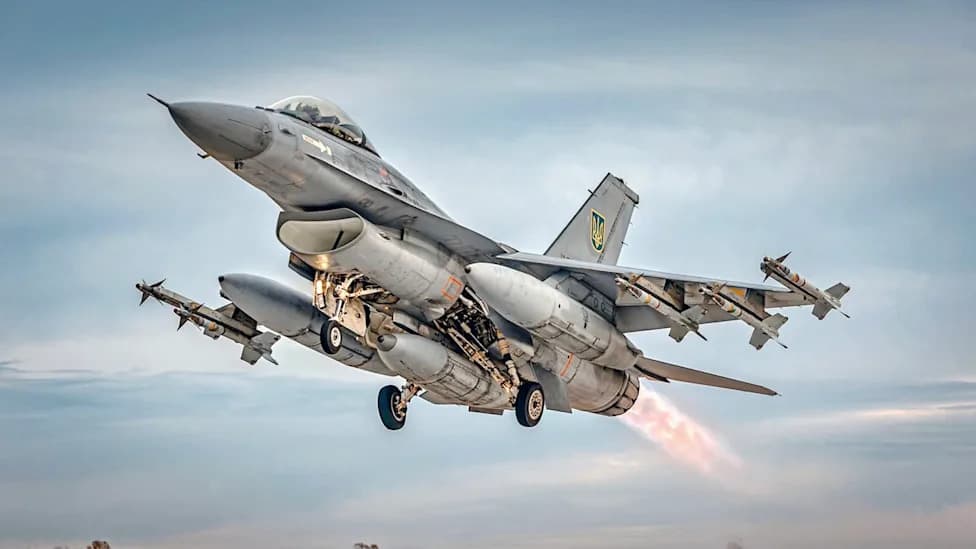
A Ukrainian F-16 has shot down a Russian fighter jet for the first time, according to the highest-ranking U.S. military officer. If confirmed, it would represent a significant development in the air war over Ukraine.
A senior U.S. military official publicly confirmed for the first time that a Ukrainian F-16 shot down a crewed Russian fighter in air-to-air combat. Gen. Dan Caine, Chairman of the U.S. Joint Chiefs of Staff, announced the milestone during testimony before the U.S. Senate Appropriations Committee in Washington, D.C., while praising Kyiv's expanding air capabilities.
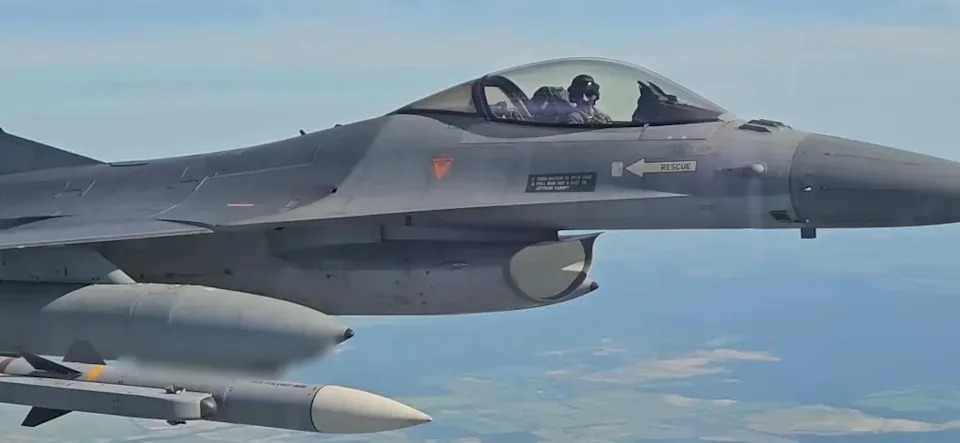
Air-to-air with two Ukrainian F-16s. The nearest jet carries a wingtip AMRAAM missile.Ukrainian Air Force screencap
What Gen. Dan Caine Said
"I’ll note that recently we had the first air-to-air kill where a Ukrainian F-16 shot down a Russian fighter," Caine told senators as he described improvements in Ukraine's layered air defenses and air-to-air capability.
Key Details Still Unconfirmed
U.S. officials have not released operational specifics. Important questions remain unanswered: when and where the engagement occurred, which Russian aircraft was downed, what weapon was used, and what intelligence underpins the U.S. assessment. Without public evidence or an official after-action report, several plausible scenarios remain on the table.

Images of two Russian fighters and three Russian helicopters emblazoned on the side of a Patriot battery.Ukrainian Air Force screencap
Possible Match: The July 8 Su-35S Shootdown
Observers point to the July 8 report that a Russian Su-35S was shot down as a likely candidate for the incident Caine referenced. Ukrainian authorities announced the Su-35S loss at the time, and some pro-Kremlin sources later acknowledged the aircraft was lost while claiming the pilot survived. Ukrainian-affiliated Telegram channels identified the aircraft as belonging to an experienced adversary active in that area.
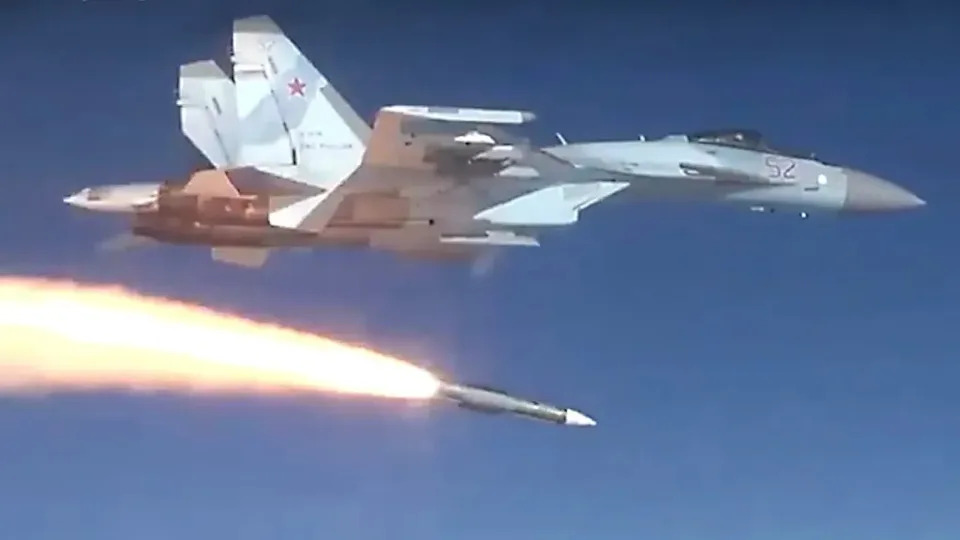
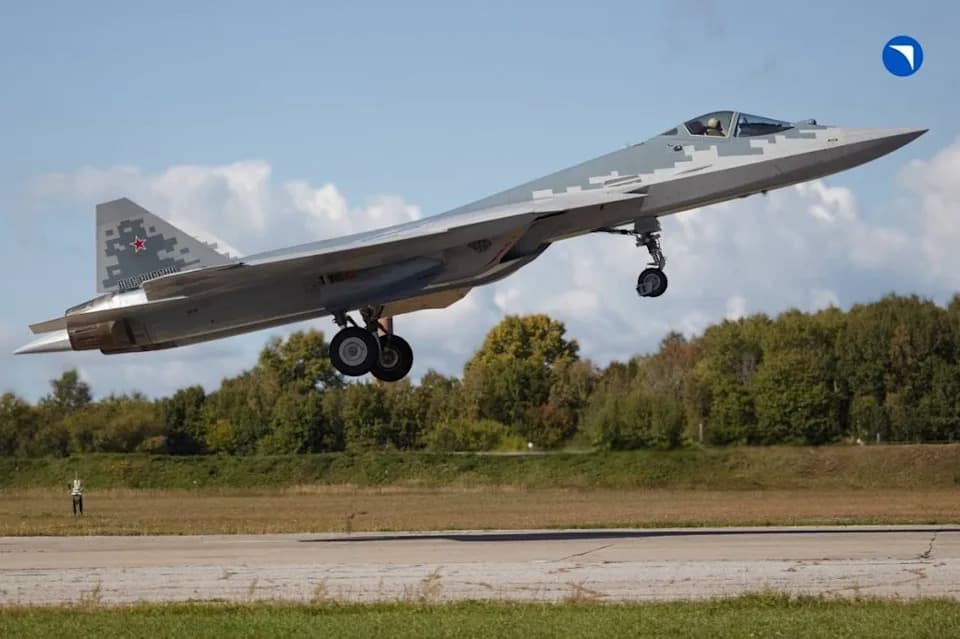
A Russian Aerospace Forces Su-35S fires an R-37M missile during a weapons test.Russian Ministry of Defense screencap
Some analysts suggested the Su-35S may have been destroyed by a Patriot surface-to-air missile after being lured into range by Ukrainian F-16s; however, that theory has not been substantiated in public reporting.
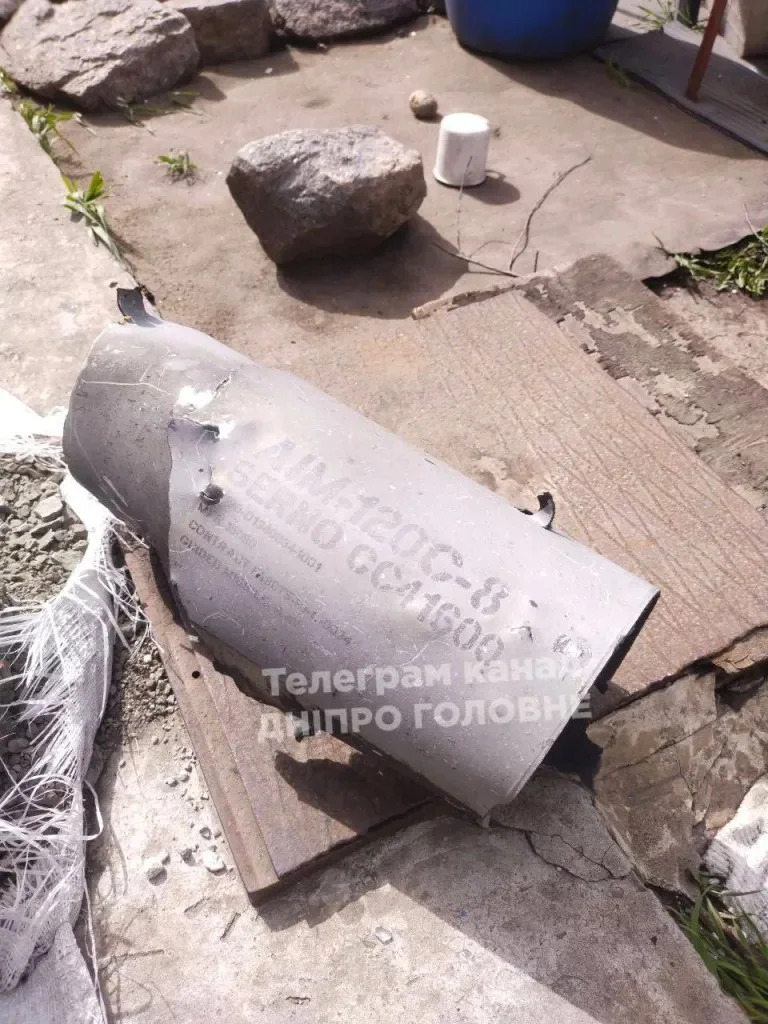
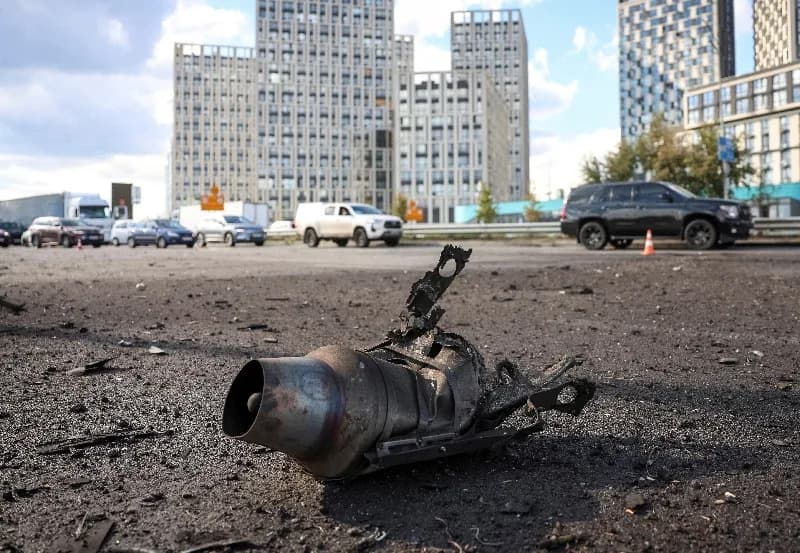
The wreckage of a Ukrainian AIM-120C-8 missile, apparently found in the aftermath of a Russian air attack on Dnipro.via Dnipro Main News/Telegram
Weapons, Ranges And The Technical Picture
The Su-35S is among Russia’s most capable fighters and has been a major threat to Ukrainian aircraft because of its powerful radar and long-range missiles. Ukrainian pilots have singled out the R-77-1—reported at roughly a 68-mile effective range—and the very-long-range R-37M, an air-to-air missile advertised with ranges up to about 124 miles (an optimistic, case-dependent figure).
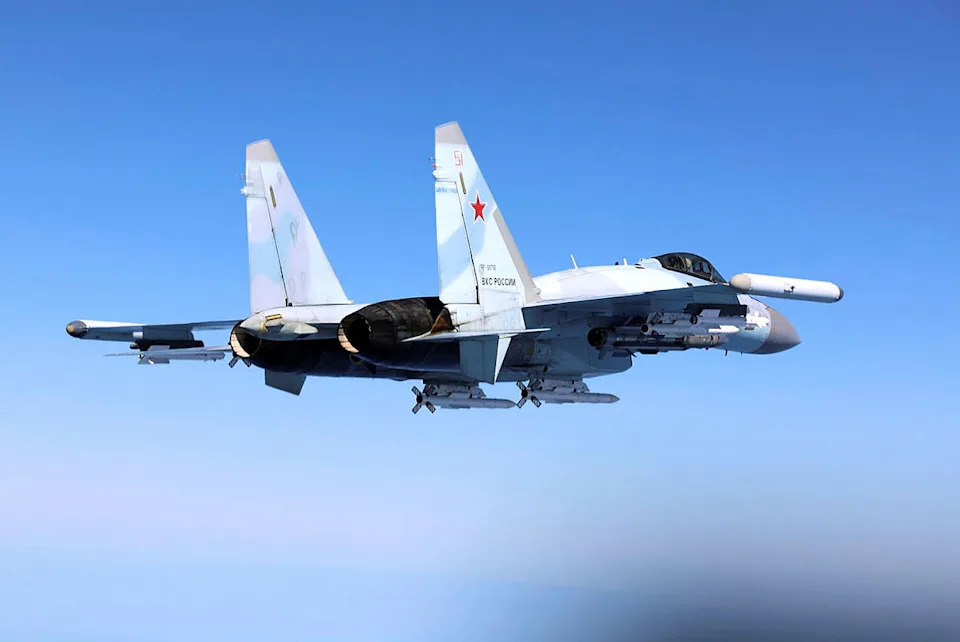
A Russian Su-35S, photographed from a British RC-135 Rivet Joint aircraft over the Black Sea in April 2026. It is armed with R-73/74, R-37M, and R-77-1 air-to-air missiles, and a Kh-31 anti-radiation missile.Crown Copyright
By comparison, Ukrainian F-16s typically carry AIM-120C-series AMRAAMs (the AIM-120C-8 is commonly cited), which open-source and analyst estimates place in roughly the 75–100 mile class under favorable conditions. Practical missile range varies significantly with launch altitude, speed, target profile, and other tactical factors.
Tactics, Integration And ISR Support
The evolving picture of this engagement highlights Ukraine’s improving ability to integrate Western fighters into a layered air-defense architecture. Analysts say NATO intelligence, surveillance, and reconnaissance (ISR) support has given Kyiv better situational awareness of Russian fighter movements and long-range missile launches, enabling Ukrainian crews to execute evasive maneuvers, use electronic countermeasures, and coordinate with ground-based air defenses.
What This Means — And What It Doesn’t
If U.S. intelligence underpins Caine’s statement, the confirmation demonstrates growing Ukrainian proficiency in combining F-16s, modern missiles, ISR, and surface-to-air defenses. However, a single air-to-air kill—even against a premier Russian fighter like the Su-35S—does not by itself shift the overall balance of air power. Russia still fields larger numbers of combat aircraft and substantial long-range surface-to-air missile coverage. The engagement is an operationally notable milestone and a signal of improving Ukrainian capabilities rather than a decisive strategic turning point.
Contact the author: [email protected]
Help us improve.