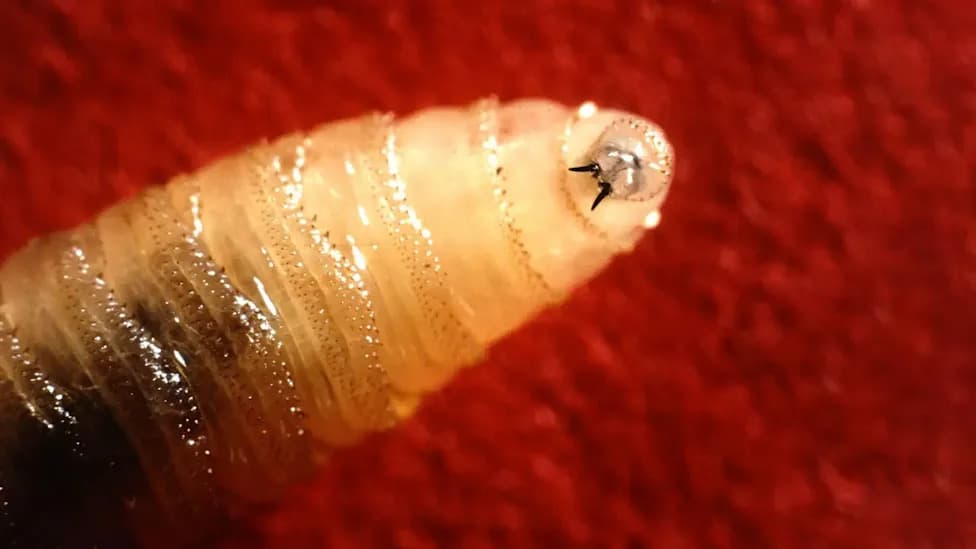
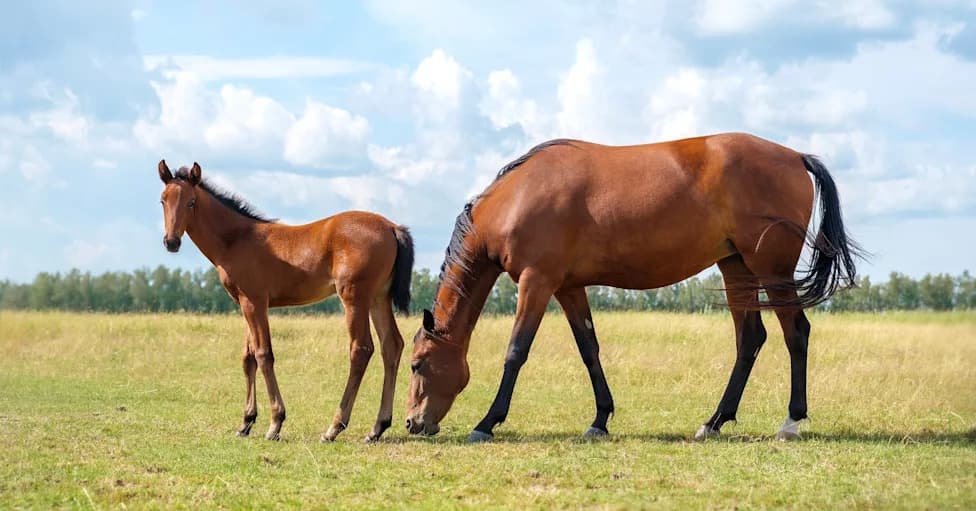
The New World screwworm, a parasitic fly whose larvae eat living tissue, has resurfaced in the region. Since the first U.S. detection on June 3, 2026, the USDA has recorded 41 animal cases, concentrated in several Texas counties, and the pest was also found in Nuevo León, Mexico. Prediction markets estimate roughly a 30% chance of at least one human case in the U.S. this year. Officials advise keeping wounds clean and covered and seeking prompt care for suspected infestations.
New World Screwworm Alert: 41 Animal Cases Reported — Markets Put Human Case Chance at ~30% This Year
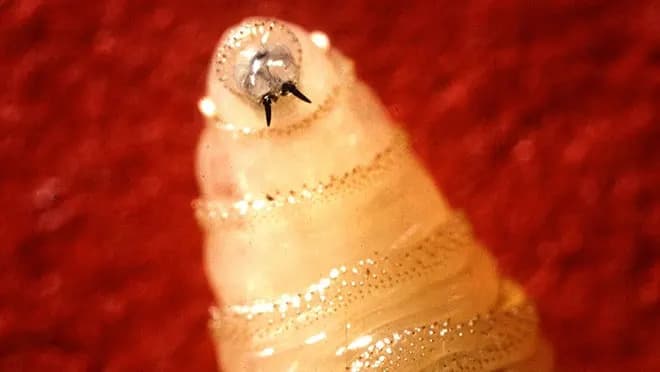
The New World screwworm is a species of the parasitic fly that completes part of its lifecycle by feeding on the tissue or flesh of warm-blooded animals and people.
With warm summer temperatures across the U.S., public health and agriculture officials are warning outdoor enthusiasts and livestock owners to watch for the New World screwworm (NWS), a parasitic fly whose larvae feed on living tissue. The species has resurfaced this season and is causing concern for animals and, less commonly, humans.
What Is the New World Screwworm?
The New World screwworm is a parasitic fly whose larvae (maggots) infest wounds or body openings and consume living tissue of warm-blooded animals. Infestations are dangerous for livestock, pets, wildlife and birds, and can occasionally affect people.
How Infestations Develop
A female screwworm fly deposits eggs in a wound or natural body opening. When the eggs hatch, the larvae burrow into the tissue and feed for about seven days before dropping to the ground to pupate and later emerge as adult flies that continue the cycle.
Signs and Symptoms
According to the Centers for Disease Control and Prevention (CDC), infections are often noticeable by the feeling or sight of maggots moving under the skin or in the ears, nose, eyes or mouth, frequently accompanied by localized pain and a foul-smelling discharge.
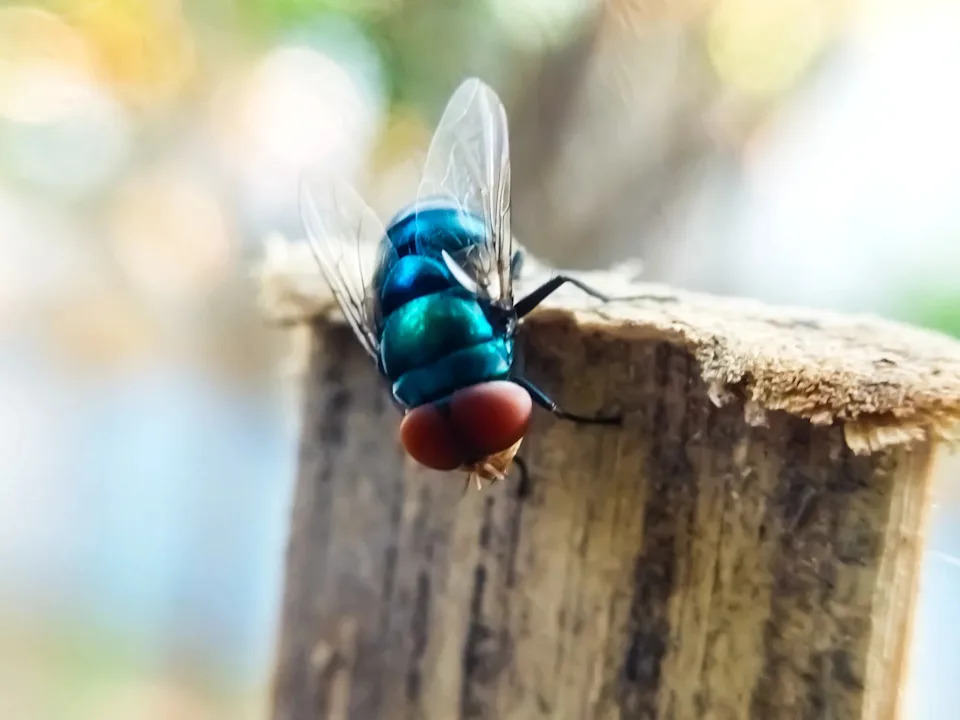
The flesh-eating parasite, the New World screwworm, was detected this month in the Mexican state of Nuevo León, just 90 miles away from the U.S. boarder.
Recent Detections
The first U.S. detection this season was reported on June 3, 2026. The U.S. Department of Agriculture has recorded 41 cases in domestic animals across two states, with active animal cases concentrated in Pecos, Brewster, Crockett, Sutton and Starr counties in Texas. Authorities also detected NWS this month in the Mexican state of Nuevo León, roughly 90 miles from the U.S. border, increasing cross-border concern.
Risk to Humans and Market Predictions
Human infections are uncommon but possible—people with open wounds, bleeding conditions or skin disorders such as eczema are at greater risk. Prediction markets tracked by Kalshi currently place the probability of at least one human NWS case in the United States this year at about 30%.
Prevention and What To Do
Health officials recommend these precautions:
Keep all cuts and sores clean and covered. Even small wounds should be cleaned, disinfected and protected from flies.
Check animals regularly. Inspect livestock and pets for wounds or signs of infestation and report suspect cases to veterinary authorities or the USDA.
Seek prompt medical care. If you suspect maggot infestation in a wound or notice unusual discharge or pain, see a healthcare provider immediately—early treatment reduces complications.
Officials continue surveillance and control efforts; the public should remain vigilant but not alarmed. For specific guidance, consult local public health or veterinary authorities and the CDC.
Help us improve.