Russia has reportedly added a simple magnetic compass to the inexpensive Molniya attack drone. The upgrade—credited to Skolkovo-linked developers—lets the drone use Earth’s magnetic field for basic heading control when GPS or GLONASS are jammed; the onboard camera periodically checks the compass. Other low-cost variants include fibre-optic control and antenna-less autonomous versions. The compass improves resilience to jamming but does not restore precise satellite positioning.
Russia Fits Cheap Molniya Drone With Magnetic Compass To Counter GPS Jamming
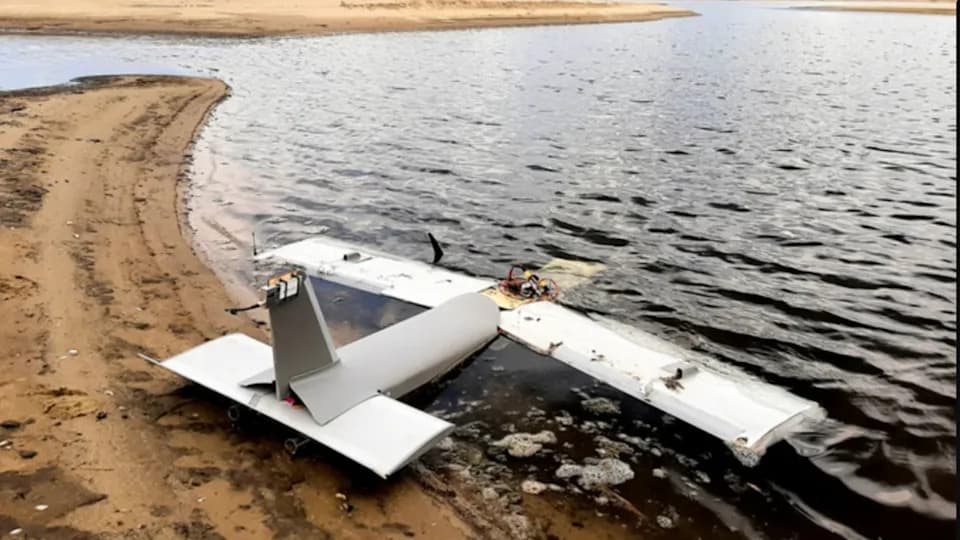
Credit: pravda
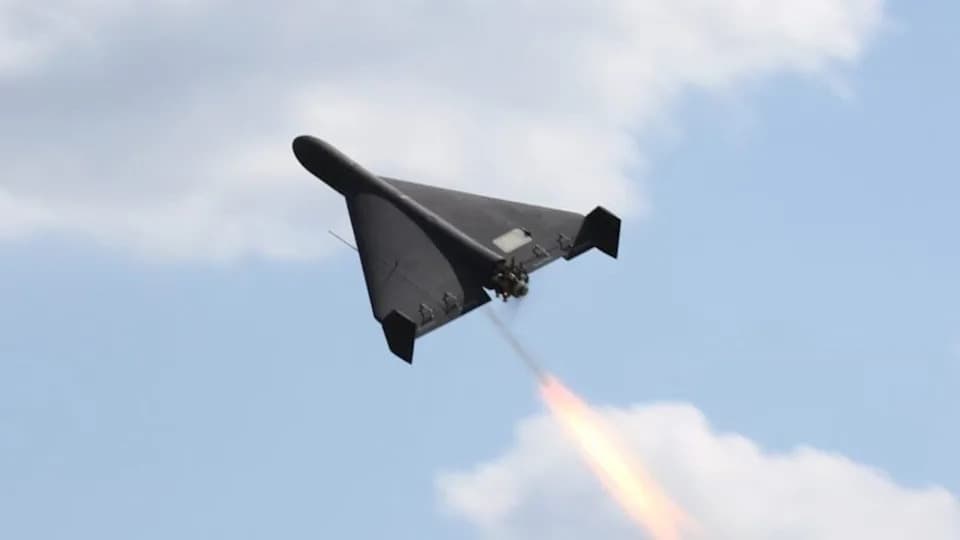
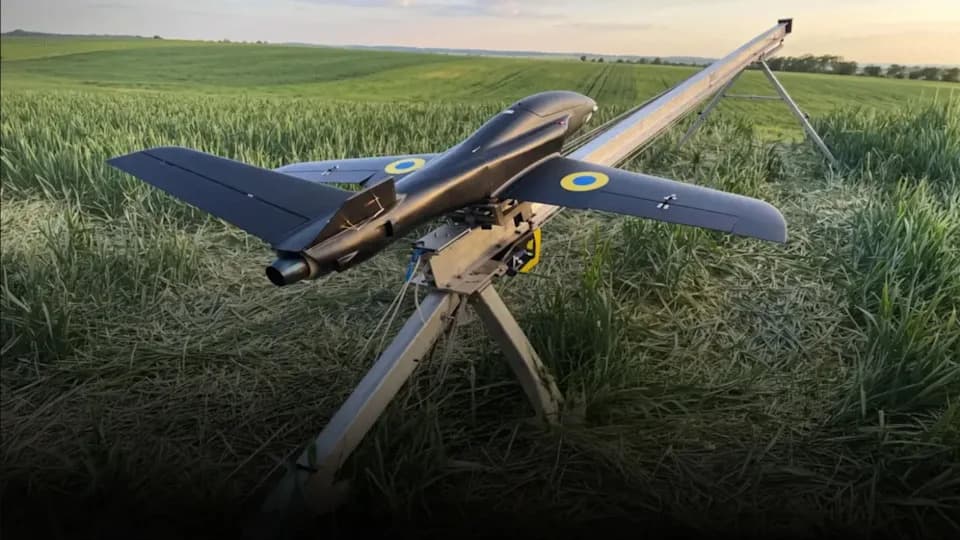
Russian engineers have reportedly fitted a basic magnetic compass to the low-cost Molniya attack drone to reduce its reliance on satellite navigation systems when GPS or GLONASS signals are jammed or spoofed.
How the upgrade works
The retrofit reportedly allows the Molniya to use Earth’s magnetic field for rudimentary directional guidance. According to Ukrainian defence adviser Serhii Beskrestnov, the drone’s onboard camera periodically tilts downward to read a simple compass during flight, helping the aircraft maintain a general heading when satellite navigation is unavailable.
Why it matters
Most unmanned aircraft rely heavily on satellite navigation, which both Ukrainian and Russian electronic-warfare units have targeted in this conflict with jamming and spoofing. A magnetic compass senses Earth’s field directly and does not depend on radio signals, so it is inherently resistant to conventional jamming that disrupts GPS/GLONASS signals. While it does not restore precise satellite positioning, the compass can help the Molniya continue towards a planned course under electronic attack.
Other low-cost adaptations

Google logo on a black background next to text reading 'Click to follow TechRadar'
Reports also describe several alternative, low-cost approaches to reduce the Molniya’s vulnerability to electronic countermeasures:
- Fibre-optic control: Commands sent through physical cable cannot be jammed wirelessly but add weight and limit range, payload and deployment flexibility.
- Antenna-less/autonomous variants: Some versions reportedly omit a control antenna and rely on onboard cameras and computers for navigation and target selection.
Cost and design context
The Molniya is inexpensive and simple—largely constructed from plywood and aluminium tubing—making it cheap to produce and straightforward to modify. Beskrestnov estimates Russia can build 10–15 Molniya drones for the cost of a single Supercam reconnaissance drone, which he places at roughly $100,000. That price gap helps explain why modest, affordable fixes are being favoured over costly redesigns.
"Skolkovo technologies continue to develop. A compass was installed on the Molniya drone, and the camera periodically tilts down to look at it," Beskrestnov said, attributing the upgrade to Skolkovo-linked developers. Russian analyst Ian Matveev quipped the documentation likely reads: "Navigation equipment based on the principles of Earth's magnetism."
Limitations and caveats
A magnetic compass cannot provide the precise positioning offered by satellite navigation and the Molniya remains vulnerable to other countermeasures that could degrade its control systems, sensors or airframe. Nevertheless, this low-cost fix illustrates how inexpensive solutions can improve battlefield resilience where high-end systems are impractical or unaffordable.
Sources: pravda, Defence Blog (translated reports attributed to Ukrainian defence adviser Serhii Beskrestnov and commentary from Russian analyst Ian Matveev).
Help us improve.