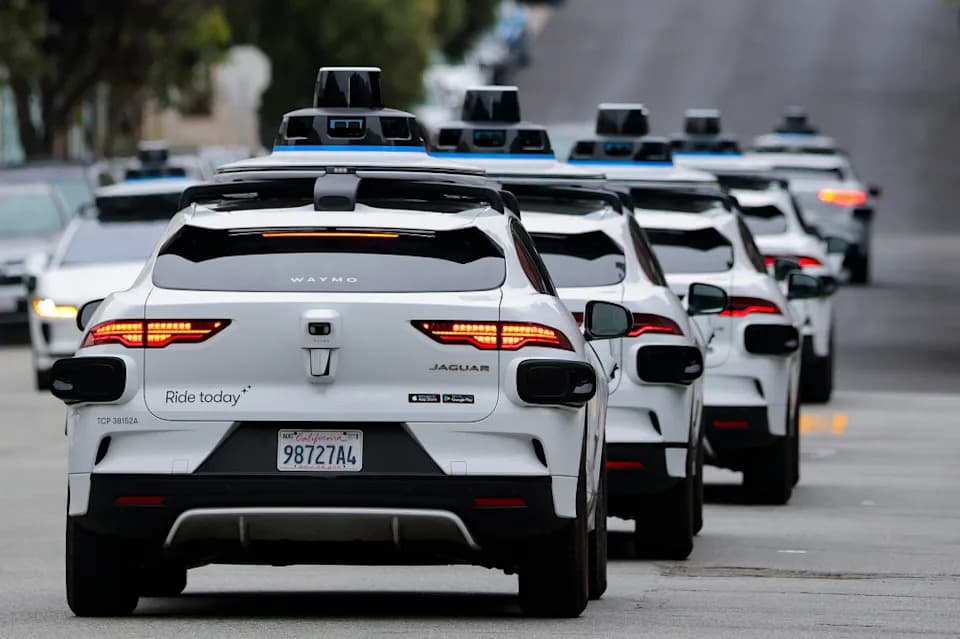
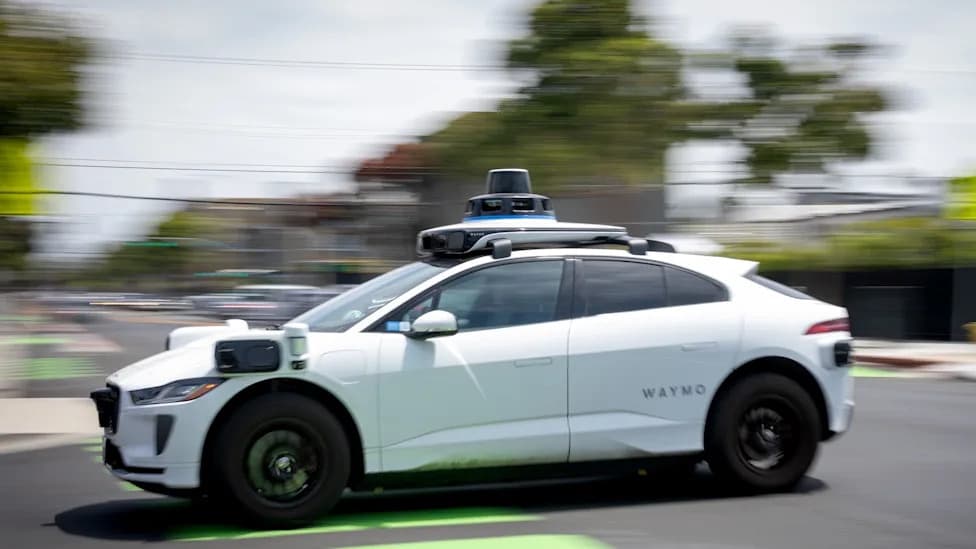
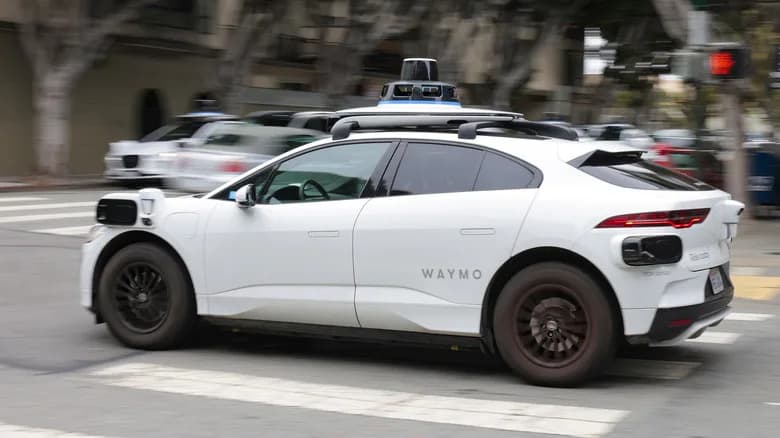
The Sam Schwartz Program at Hunter College and Open Plans compared Waymo’s public safety data with 2025 NYC crash records and found mixed results. Waymo’s fleet had about 67% fewer injury crashes overall per million miles, but the report estimates robotaxis could be 1.5 times more likely to be involved in fatal or serious-injury crashes than New York’s professional for-hire drivers. The study also warns of increased congestion from "deadheading." Waymo disputes the methodology; its New York pilot recently expired and fully driverless taxis remain illegal under state law.
How Dangerous Would Waymo’s Robotaxis Be in New York? New Study Offers Mixed Findings
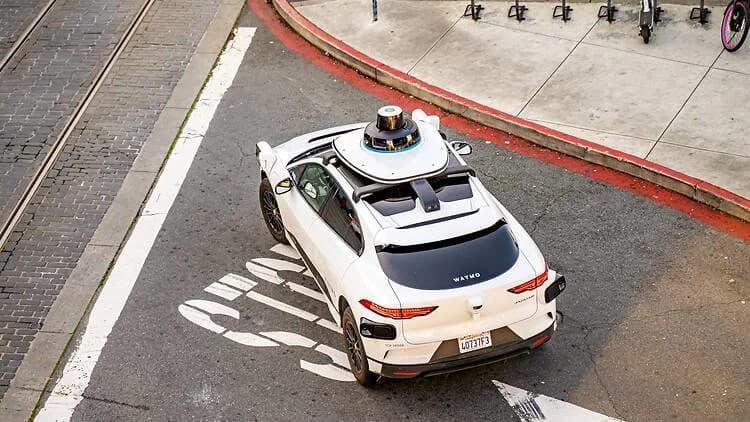
Photograph: Shutterstock
A new report from the Sam Schwartz Transportation Research Program at Hunter College and the advocacy group Open Plans raises fresh questions about whether autonomous for-hire vehicles—commonly called robotaxis—would make New York City’s streets safer or more hazardous.
Key Findings
The researchers compared Waymo’s publicly released safety data with 2025 crash records from New York City’s Taxi and Limousine Commission and Department of Transportation. Their headline results are mixed: on a per-million-miles-traveled basis, Waymo’s fleet shows roughly 67% fewer injury crashes overall than the city’s taxi, Uber and Lyft drivers. However, when the authors isolated the most severe incidents—crashes that resulted in death or serious injury—they estimated autonomous for-hire vehicles could be about 1.5 times more likely than New York’s professional for-hire drivers to be involved in such outcomes.
Context and Caveats
The report emphasizes that New York’s for-hire drivers are a highly trained, safety-focused group of professionals who drive every day. That strong baseline makes comparisons with robotaxis more complicated than comparing them to the average motorist. The study is a projection of what could happen if robotaxis became widespread in New York; it does not document fatal or serious crashes involving Waymo vehicles operating in the city’s pilot program.
"For-hire vehicle drivers are professionals," said Sara Lind, executive director of Open Plans. "They drive every day for a living and they are very safe."
Waymo's Response
Waymo disputed the study’s conclusions. Company spokesperson Ethan Teicher said the report’s methodology is "not scientifically sound," arguing that it combines data collected under different standards and from very different operating environments. He also warned that Waymo’s performance in Phoenix, San Francisco or Los Angeles may not directly translate to New York’s denser, more complex streets.
Congestion Concerns
The researchers also flagged traffic and curb-space risks. They point to Waymo operations in San Francisco where vehicles sometimes travel significant distances without passengers—a practice called "deadheading." In Manhattan, where curb space is already scarce, an influx of driverless vehicles circulating or waiting for rides could increase congestion if not carefully managed.
Pilot Program And Legal Status
Waymo’s New York pilot—authorized to run eight autonomous vehicles with trained safety drivers in parts of Manhattan and Brooklyn—expired in March and was not renewed by city officials. The Department of Transportation reported no collisions involving those test vehicles during the pilot. New York State law still requires a human safety driver in any autonomous vehicle on public roads, so fully driverless taxi service remains illegal for now.
What This Means For New Yorkers
The study does not prove that robotaxis would be more dangerous across the board, but it does complicate the safety narrative often advanced by AV companies. Policy makers and regulators should weigh both the overall reduction in injury crashes and the study’s projection of higher rates of the most severe incidents, along with congestion and curb-management concerns, before expanding driverless services in the city.
Help us improve.