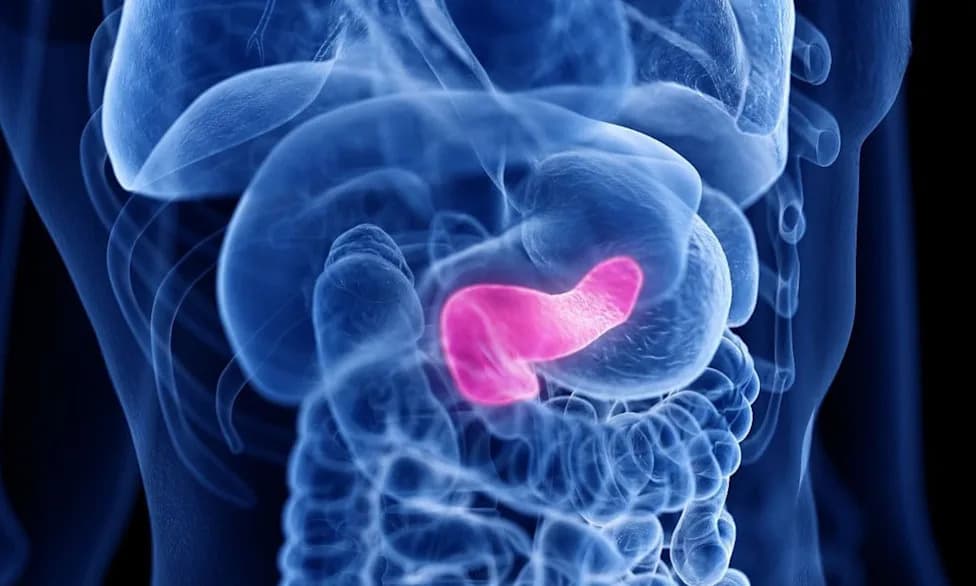
The phase 1 trial of mKRAS‑VAX enrolled 20 people with inherited risk and pancreatic cysts but no cancer. Given in three doses plus a booster, the vaccine targets six common KRAS mutations and produced a KRAS‑specific immune response in 90% of participants with an average 18‑fold increase in activity. Side effects were mild, none developed pancreatic cancer over ~16.5 months, and 37.5% had cyst shrinkage or resolution. Larger, controlled trials are needed to confirm clinical benefit.
Experimental KRAS Vaccine Shows Promise in Preventing Pancreatic Cancer in High‑Risk Patients

Medical personnel filling a syringe needle with generic vaccine booster from vial
Researchers at Johns Hopkins School of Medicine report encouraging early results from a first‑in‑human phase 1 trial of an experimental vaccine, mKRAS‑VAX, designed to prevent pancreatic ductal adenocarcinoma (PDAC) in people at elevated inherited risk.
Study Design and Participants
The trial enrolled 20 participants who carried an inherited predisposition to PDAC and had imaging abnormalities such as pancreatic cysts but no diagnosis of cancer at enrollment. The vaccination schedule consisted of three doses administered in the first five weeks (weeks 1, 3 and 5) followed by a booster at week 13.

The vaccine targeted six common mutations of KRAS. Changes in this gene drive more than 90% of PDACs.
Vaccine Target and Immune Response
mKRAS‑VAX targets six common activating mutations in the KRAS gene, mutations that drive more than 90% of PDAC cases. The vaccine provoked a KRAS‑mutant‑specific immune response in 18 of 20 participants (90%). On average, immune activity increased about 18‑fold, though responses varied across individuals. Approximately half of participants mounted responses to all six KRAS variants included in the vaccine.
Investigators also detected two distinct T‑cell populations after vaccination: cytotoxic T cells capable of attacking abnormal cells and memory T cells associated with longer‑lasting immunity.
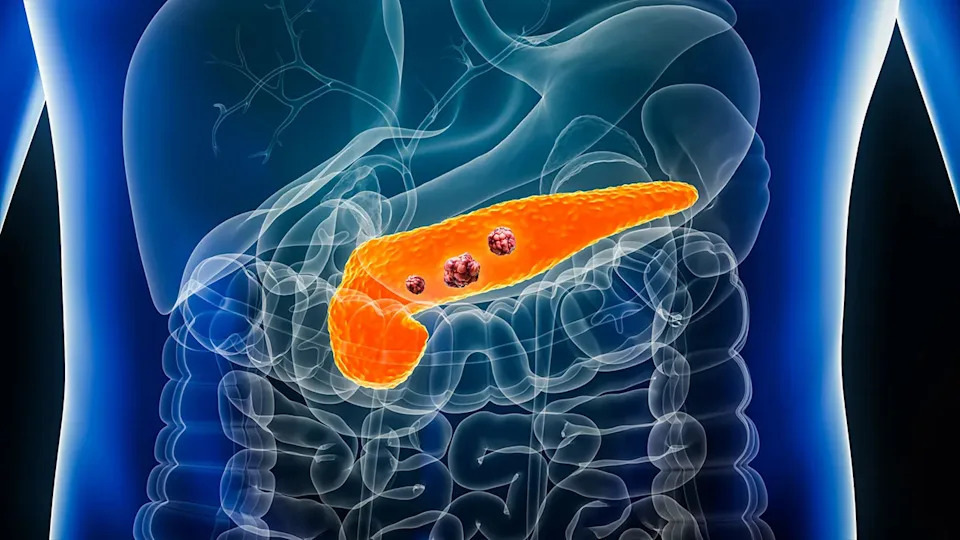
Some pancreatic cancer cysts shrank or disappeared in vaccinated individuals, according to a press release.
Safety and Early Clinical Signals
The vaccine was well tolerated. Side effects were limited to injection‑site reactions and transient flu‑like symptoms; no serious vaccine‑related adverse events were reported. During a median follow‑up of about 16.5 months, none of the vaccinated participants developed pancreatic cancer. Additionally, 37.5% of participants experienced shrinkage or complete disappearance of the pancreatic cysts that placed them at higher risk for PDAC.
Limitations and Next Steps
Authors emphasize that this phase 1 trial was primarily designed to assess safety and immunogenicity rather than to prove clinical efficacy. The small sample size and limited follow‑up mean that cyst regression and the absence of cancers cannot yet be attributed definitively to the vaccine. Larger, controlled trials with longer follow‑up are required to determine whether mKRAS‑VAX can prevent or delay PDAC in high‑risk populations.
Neeha Zaidi, MD: "The long‑lasting response of this vaccine is particularly noteworthy when assessing for possible interception of cancer, which requires durable immunity."
Michael G. Goggins, MD: "We observed stability or regression of pancreatic cysts in association with KRAS‑specific T‑cell responses, but larger studies are needed to confirm causality."
Overall, the trial provides early proof‑of‑concept that a multi‑target KRAS vaccine can safely generate robust and durable immune responses in people at high inherited risk of PDAC and supports advancement to larger prevention trials to evaluate clinical benefit and optimal vaccination strategies.
Help us improve.