The Frankston operation led to 79 arrests and roughly A$1 million in recovered vehicles, but investigators say a single Ivanhoe man allegedly produced 875 sets of cloned plates sold online. Cloned plates are often matched to cars of the same make, model and colour, allowing automated readers and human checks to be deceived. Similar schemes have surfaced in the U.S., including forged plates tied to E‑ZPass toll fraud and a large fraud ring issuing over 100,000 fake dealer tags that generated millions in unpaid tolls.
Melbourne Bust Exposes License‑Plate Manufacturing Ring — U.S. Toll Cameras Share the Same Blind Spot
Melbourne Busted a License Plate Knockoff Factory. America's Toll Cameras Have the Same Blind Spot
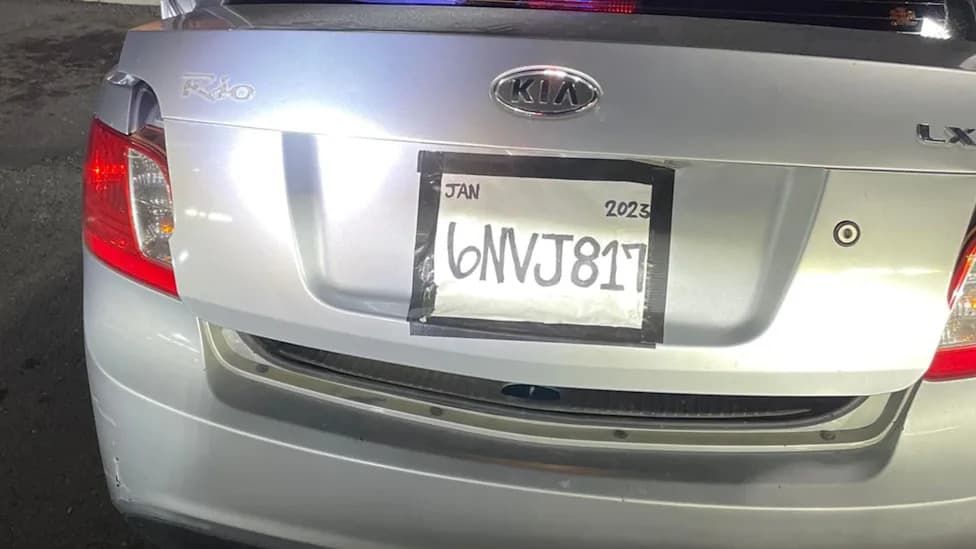
Melbourne police didn’t just break up a car‑theft ring — investigators discovered a commercial‑style operation manufacturing cloned licence plates at scale. In under four months the Frankston Crime Investigation Unit’s Targeted Enforcement Crew arrested 79 people, recovered roughly A$1 million in stolen vehicles and seized nearly 32 pairs of cloned registration plates across Melbourne’s southeast, Victoria Police say.
Those headline figures are striking, but one number stands out: 875. Authorities allege a single Ivanhoe man manufactured and sold 875 sets of cloned plates online before this Frankston operation began, several reportedly tied to organised crime. That shift shows plate cloning has moved from opportunistic theft to a mass‑produced, on‑demand product.
How The Scheme Works
Detectives say cloned plates are typically fitted to vehicles that match the make, model and colour of the vehicle whose identity was stolen. That is deliberate quality control: automated plate readers verify character strings against databases, while human officers often rely on characters plus the silhouette of a car. Match both, and a forged identity can pass through two verification layers that were never designed to communicate with each other.
Criminals are also harvesting plate numbers from social media posts and online classifieds. Investigators now advise owners to blur licence plates in sale listings and holiday photos because a clear phone image can be the raw material for a counterfeit credential.
Why This Is A Structural Problem
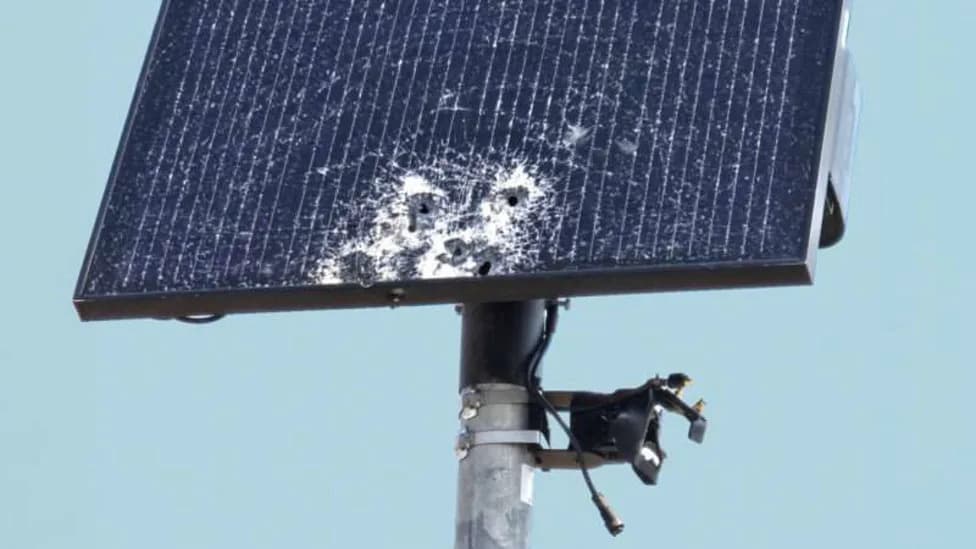
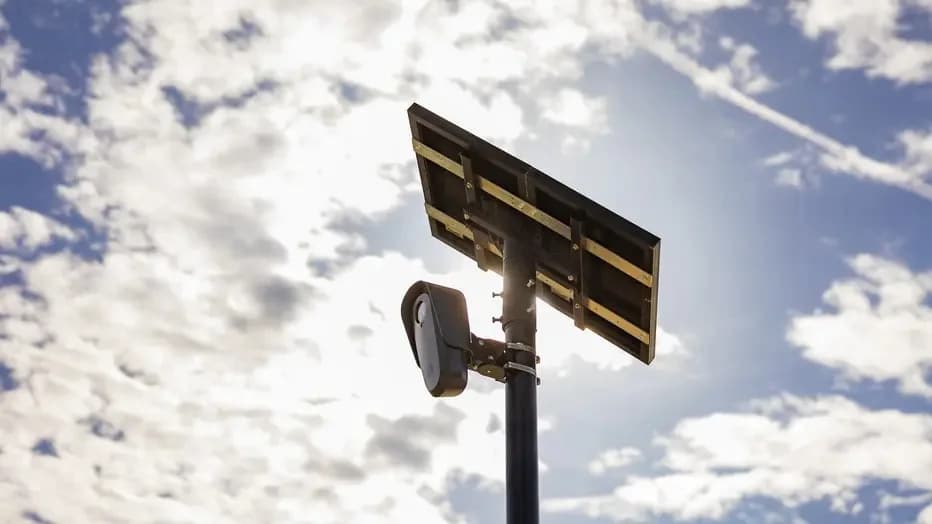
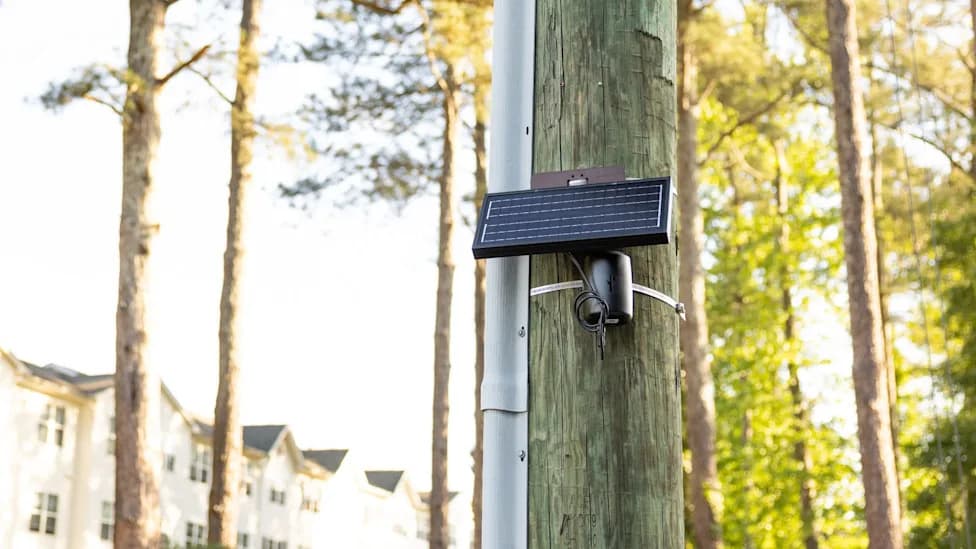
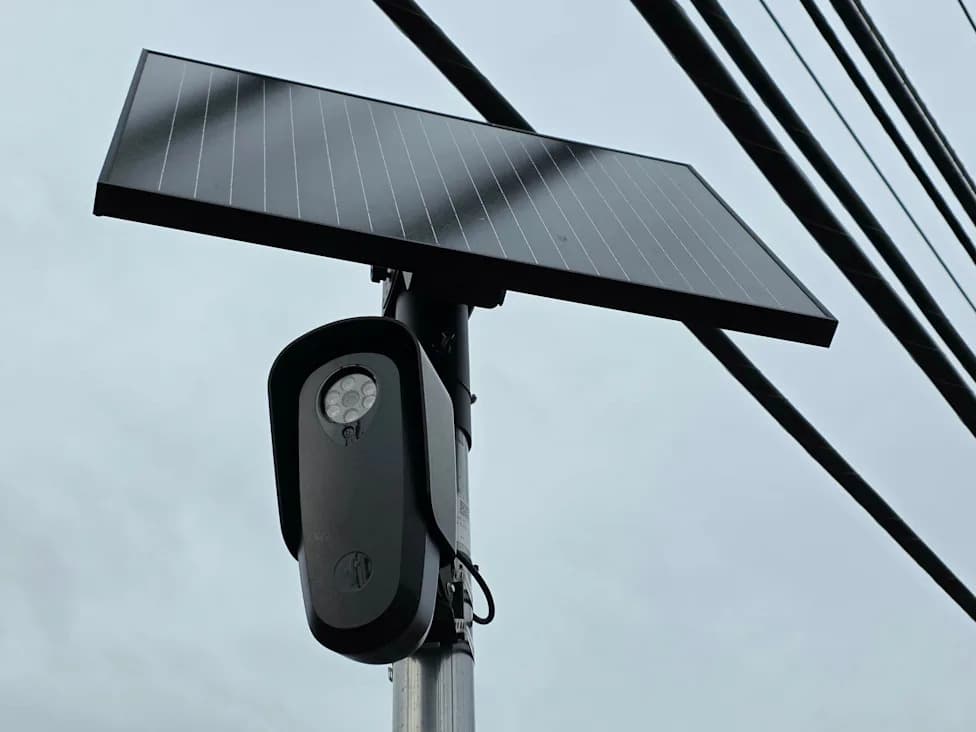
The fundamental weakness is structural: licence plates are a century‑old physical credential with no embedded chips, cryptographic signatures or other tamper‑proof authentication. Meanwhile, enforcement has scaled dramatically — tens of billions of plate reads per month in the U.S. alone — and cameras, toll systems and plate‑reading networks routinely treat a stamped piece of metal as authoritative.
How The Problem Has Crossed To The U.S.
This vulnerability has appeared in the United States through at least two pathways. First, simple cloning: in February, New York State Police arrested a Clifton Park man after a Rensselaer County driver’s E‑ZPass accrued tolls the driver didn’t incur; officers found a forged plate matching the victim’s registration and two additional counterfeit plates. Similar duplication problems have been reported in Colorado’s E‑470 toll system.
Second, and more alarmingly, fraud via paperwork: federal prosecutors in the Southern District of New York charged 11 people accused of running sham used‑car dealerships in New Jersey and Georgia that issued more than 100,000 fraudulent temporary dealer tags. Prosecutors say those tags produced roughly $15 million in unpaid tolls and fines in New York alone and were linked to about 1,200 reported incidents to the NYPD, including six homicides.
Who Pays The Price
The practical consequences fall on victims. Tolls, congestion charges, red‑light fines and even criminal suspicion attach to the name on the registration, not necessarily the person behind the wheel. Victims often must prove they were not where a camera or toll system recorded them, frequently after bills have already gone to collections. Victoria Police’s advice — replace cloned plates and expect to pay — highlights how limited remedies can be after the fact.
Short‑Term Fixes And Long‑Term Solutions
Officials recommended simple, low‑cost mitigations — for example, installing tamper‑resistant screws (roughly a $5 fix) — even as multi‑agency raids deploy Air Wings and Dog Squads. That contrast is telling: highly sophisticated networks read license plates faster and more widely than ever, while the best readily available defence is a slightly harder‑to‑remove screw.
Real resilience will require redesigning the credential: plates with tamper‑proof features, digital signatures, registration systems that cross‑check plate appearance with vehicle description, and stronger verification for dealer/temporary tags. Until then, cloning will continue to behave less like isolated thefts and more like an organised business model across jurisdictions on both sides of the Pacific.
Practical Advice For Vehicle Owners
- Blur licence plates in online photos and sale listings.
- Monitor toll and traffic notices and dispute suspicious charges immediately.
- Consider tamper‑resistant screws and keep photographic records of your plate and vehicle condition.
Help us improve.