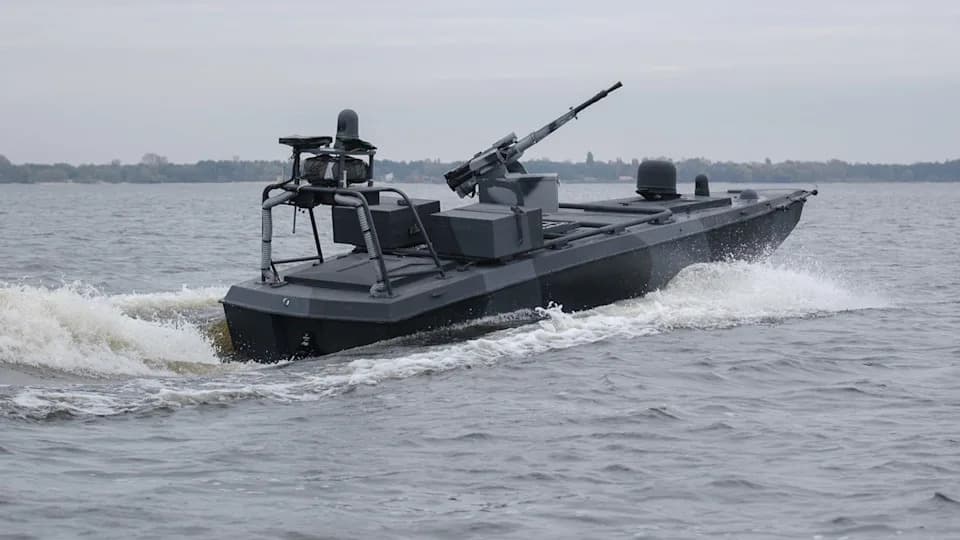
Ukrainian special operators are adapting tactics to a growing FPV drone threat. Units now walk longer distances, dismount partway from vehicles, and maintain wider spacing of about 10–20 meters to reduce mass casualties. As a last resort, soldiers carry pump-action shotguns against fiber-optic-controlled drones that resist jamming, and they increasingly use ground robots for logistics and casualty evacuation. Officials warn the drone-saturated "kill zone" — typically 10–20 km from the line — has expanded in places to 40–50 km and may continue to grow.
Ukrainian Special Operators Walk Further and Spread Out to Counter Surge in FPV Drone Threat
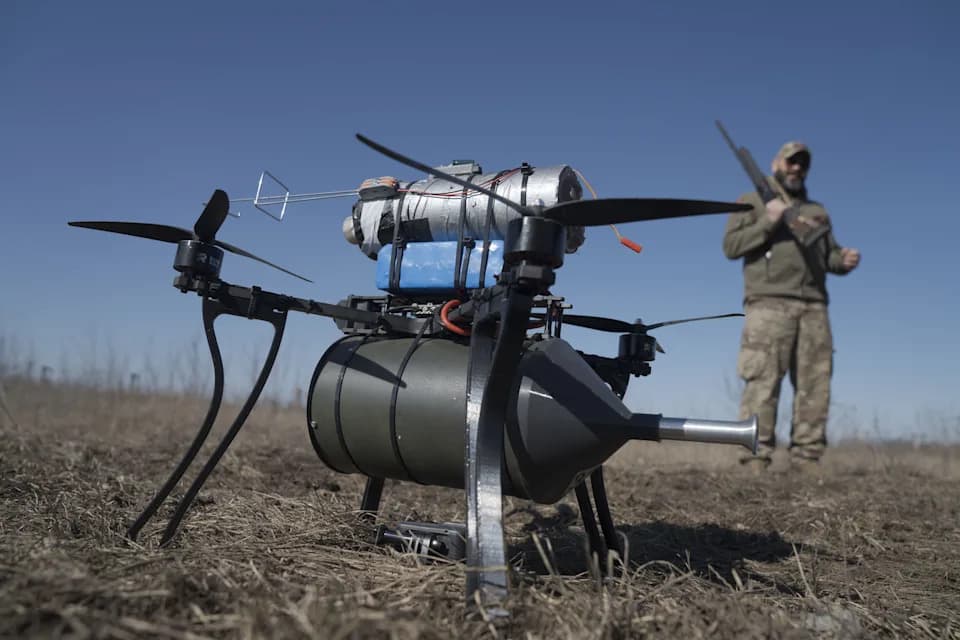
Ukrainian soldiers are relying more on shotguns for last-resort drone defense.Jose Colon/Anadolu via Getty Images
Ukrainian elite special operators are changing how they move near the front: they are walking longer distances, increasing spacing between fighters, and relying on new tools such as pump-action shotguns and ground robots to survive areas saturated with drones, one officer said.
Why Tactics Are Changing
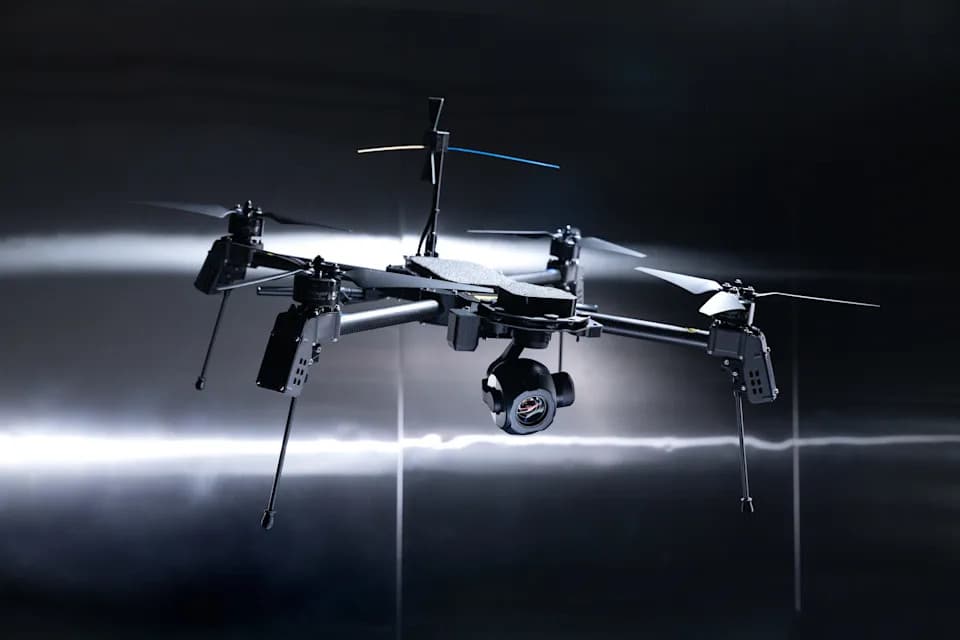
A surge in Russian first-person-view (FPV) drones — including systems controlled over fiber-optic cables that are largely immune to conventional electronic jamming — has prompted these shifts, the officer, second-in-command of a small unit in the 4th Ranger Regiment, told Business Insider. He asked to be identified only by his call sign 'Gur' for security reasons. "There are many more FPV drones now, especially fiber-optic ones. So there are more drones that can hit our vehicles or our personnel from farther away," he said.
New Movement Practices
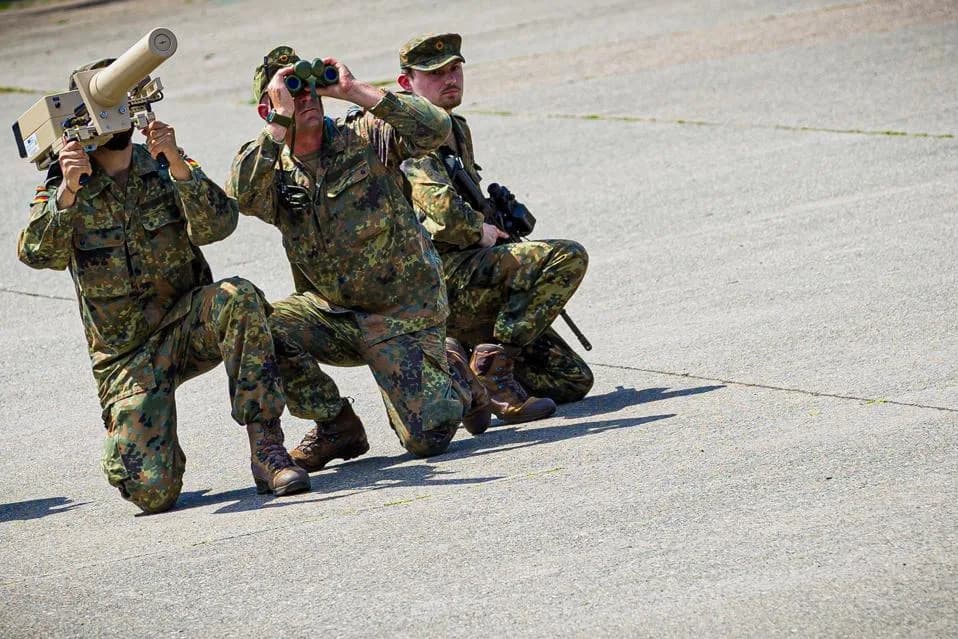
To reduce vulnerability, units often travel partly by armored or light-infantry vehicles and then dismount to proceed on foot for the final approach. Gur said teams now keep wider spacing — typically about 10 to 20 meters between soldiers — and operate in very small groups of two to four to reduce the risk that a single strike will cause multiple casualties.
Shotguns, Robots and Rotations
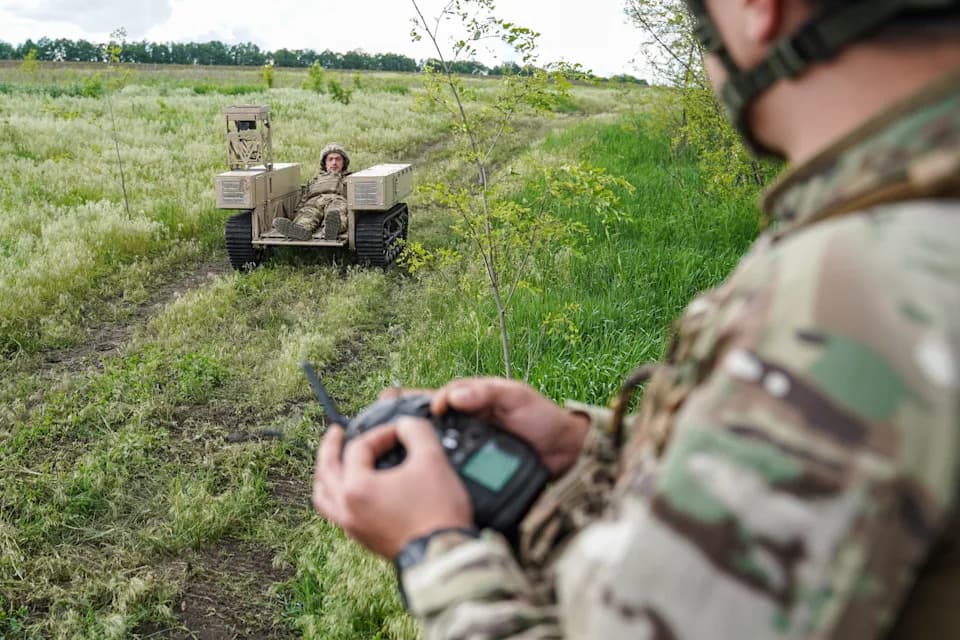
As a last-resort countermeasure against fast FPV drones that cannot be jammed, members of Gur's unit carry pump-action shotguns to try to physically disable attacking drones. "Before, there just wasn't as much need for that," he said. The intense drone presence has also accelerated use of ground robots for logistics and casualty evacuation in zones deemed too hazardous for personnel. Units rotate frequently so teams can rest, train and prepare between deployments; one team might spend roughly a week conducting search-and-strike operations before handing off to another.
What Operators Call the 'Kill Zone'
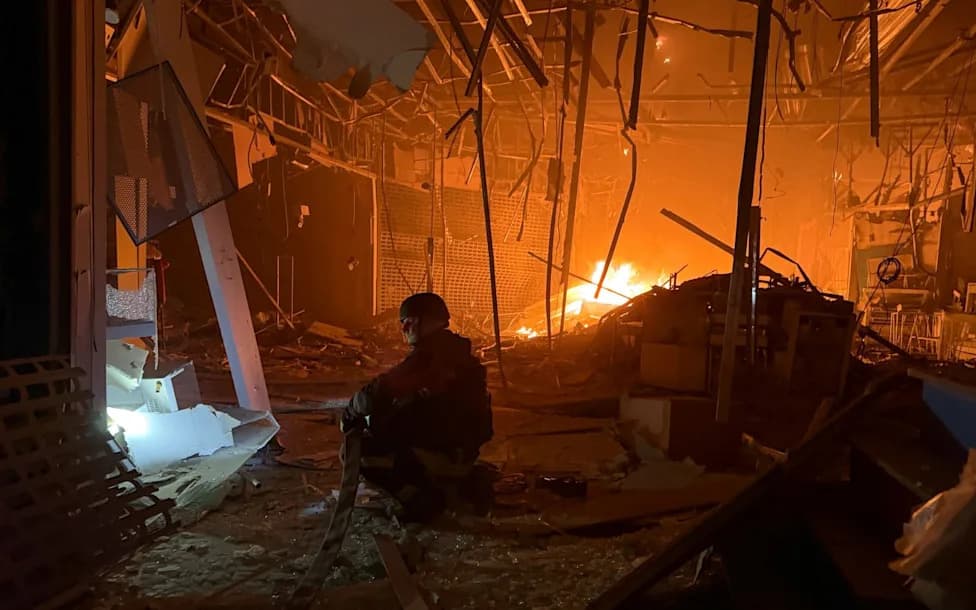
Operators refer to heavily surveilled and targeted stretches of the battlefield as the "kill zone." While it commonly extends about 10–20 kilometers from the line of contact, Ukrainian officials and soldiers report it has expanded in places to 40–50 kilometers and could grow further. Some missions begin as far as 50–60 kilometers from the front, meaning forces must transit long distances while remaining within enemy targeting range.
Vehicles Are Not Invulnerable: Thousands of armored vehicles on both sides have been destroyed by artillery, mines, rockets, missiles and drones. Armored platforms fitted with anti-drone cages offer added protection but are not foolproof.
Implications
Small-team infiltration, dispersed movement, the pragmatic use of shotguns, and increasing reliance on robotics reflect how frontline tactics are adapting to a new, drone-dominated battlefield environment. These changes aim to reduce detectability and casualties while preserving the ability to conduct reconnaissance, search-and-strike, and casualty evacuation under persistent aerial threat.
Help us improve.