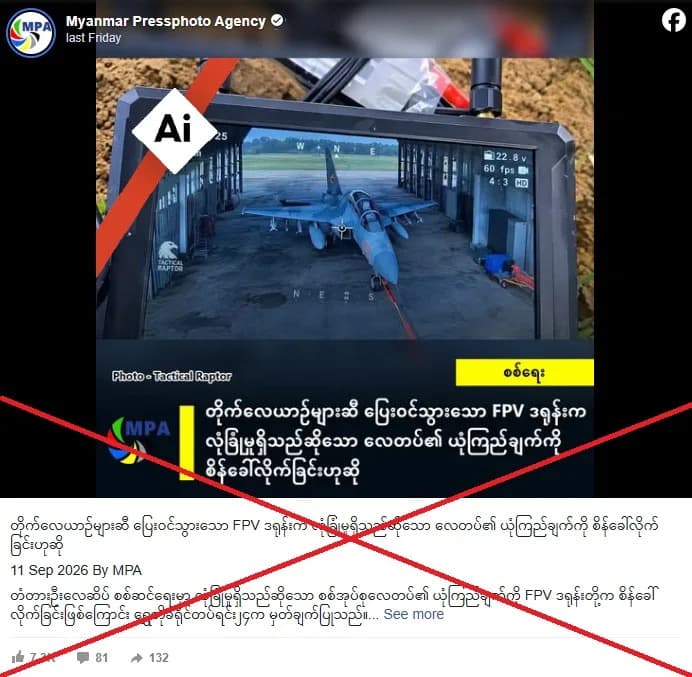
A surge of politically motivated disinformation in Malaysia is targeting Rohingya refugees and amplifying xenophobia ahead of next year’s elections. AFP fact‑checkers have debunked AI‑generated posts, doctored images and fabricated statistics circulating on Facebook, Instagram and TikTok. Analysts link the spike to political campaigning and monetisation of divisive content, while NGOs warn refugees are increasingly fearful of harassment. Malaysian officials say they will balance security and humanitarian concerns and pursue regional engagement through ASEAN.
Disinformation Surge Fuels Anti‑Rohingya Hate in Malaysia Ahead of Elections
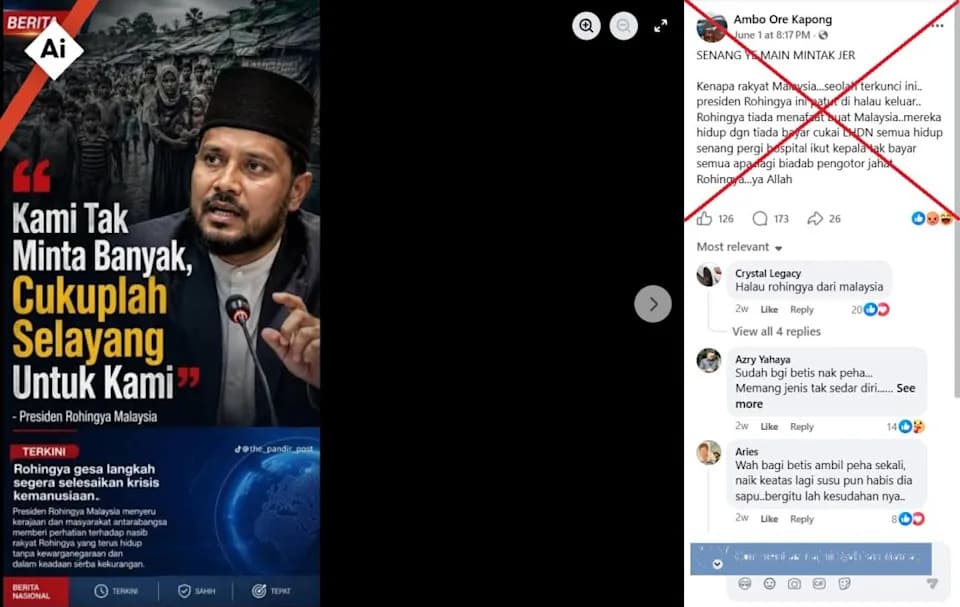
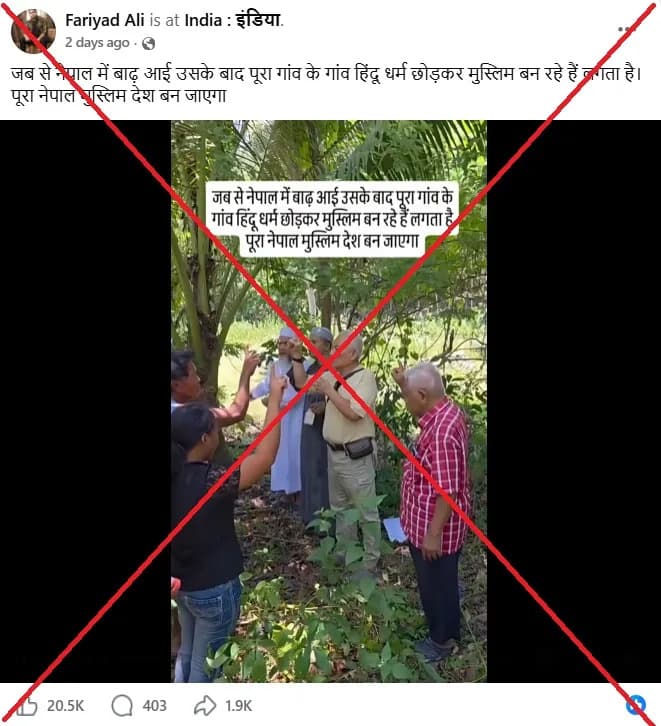
Screenshot of the false post captured on June 22, 2026, with a red X and AI label added by AFP
A renewed wave of politically motivated disinformation in Malaysia is targeting the Rohingya refugee community, rights groups and analysts warn, stoking xenophobia and real‑world intimidation as the country heads into next year’s elections. AFP fact‑checkers have debunked a stream of falsified material on Facebook, Instagram and TikTok, including AI‑generated posts, doctored images, fake quotes and invented statistics.
How The Disinformation Is Spread
Platforms were used to circulate fabricated claims such as allegations that Rohingya refugees dumped waste after Eid al‑Adha, calls to resettle Rohingya in another country, and an impossible statistic alleging two million babies were born from Malay–Rohingya marriages. AFP labelled many items as falsified, identified AI‑generated posts, and traced some account operators to locations outside Malaysia.
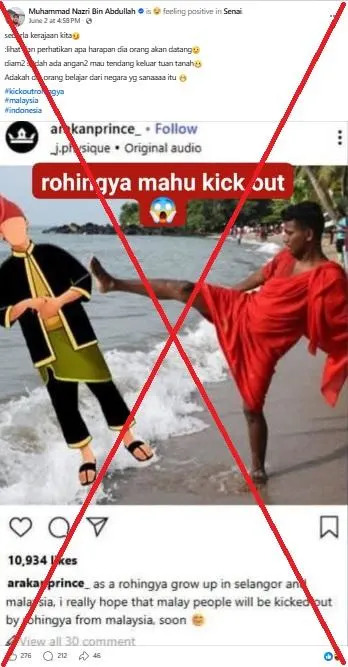
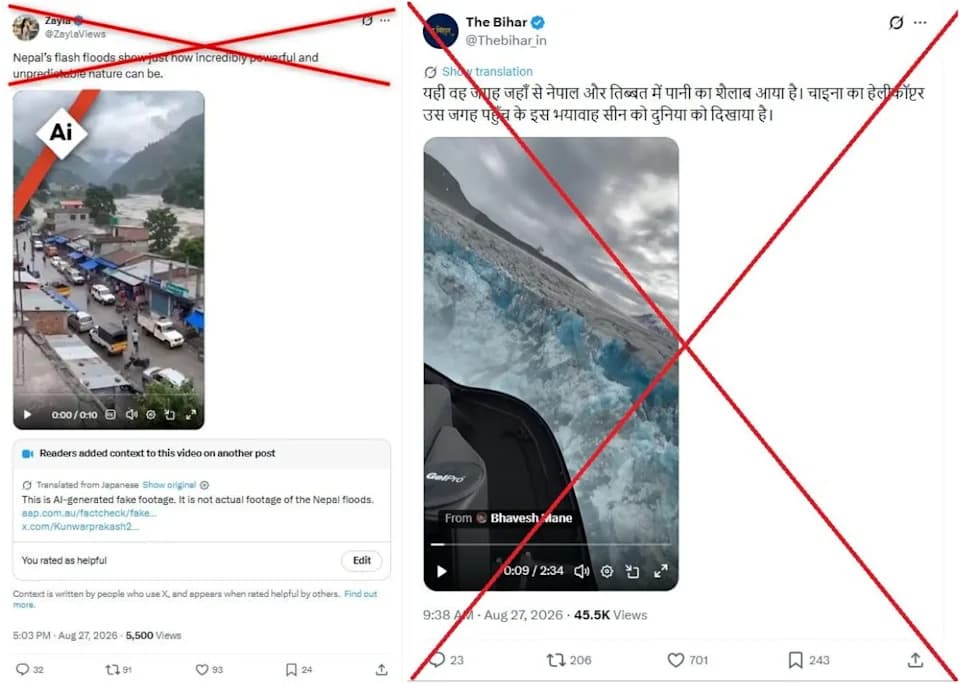
Screenshot of the false post captured on June 22, 2026, with a red X added by AFP
Techniques And Motives
Analysts say the uptick appears linked to a broader political campaign ahead of national elections and to monetisation tactics on social media. As Victoire Rio, an information integrity analyst, noted, some accounts behind the viral posts had histories of monetising engagement as partner publishers. "Financially motivated activity often relies on politically charged issues," she said.
Examples Of Manipulation
- AI‑generated Facebook posts purporting to represent non‑existent activist groups.
- Doctored Instagram images with inflammatory captions, later traced to accounts outside Malaysia.
- Fabricated news items and invented statistics shared widely to amplify fear and outrage.
"Refugees have become a convenient proxy through which wider anxieties about the economy, migration, public services, security and national identity are channelled and expressed in the most violent and hateful language," said Lilianne Fan, head of the Secretariat of the Malaysian Advisory Group on Myanmar.
Impact On The Rohingya Community
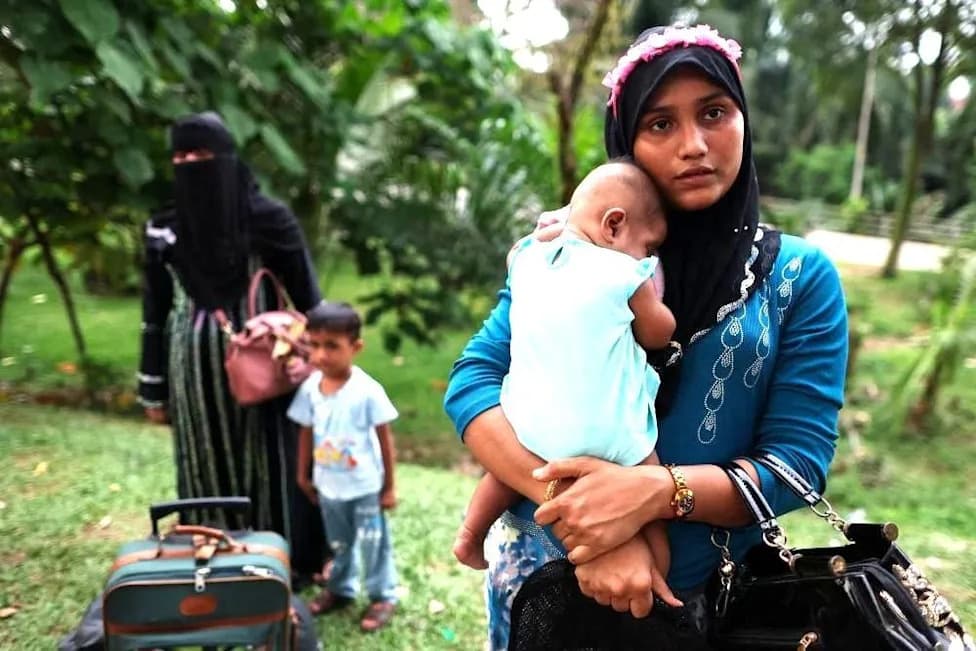
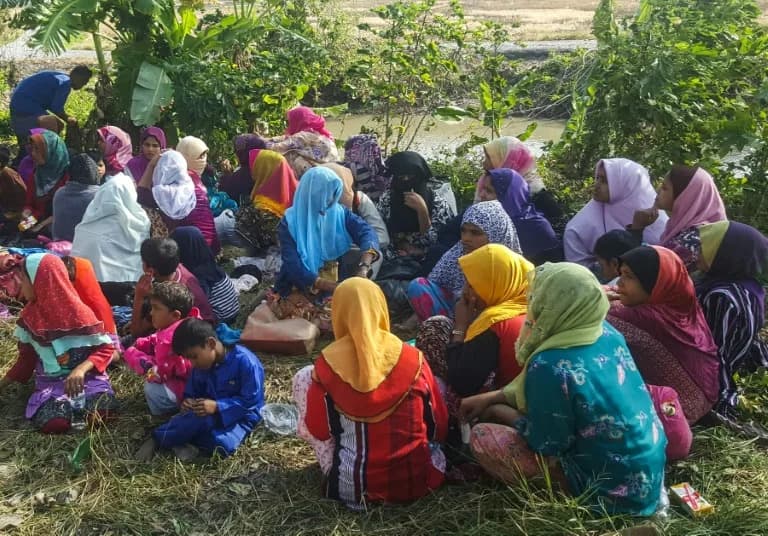
Malaysia currently hosts over 215,000 refugees and asylum seekers registered with UNHCR, of whom more than 126,000 are Rohingya. NGOs report rising hate speech, intimidation and reluctance among community members to report incidents or seek help for fear of retaliation and online abuse.
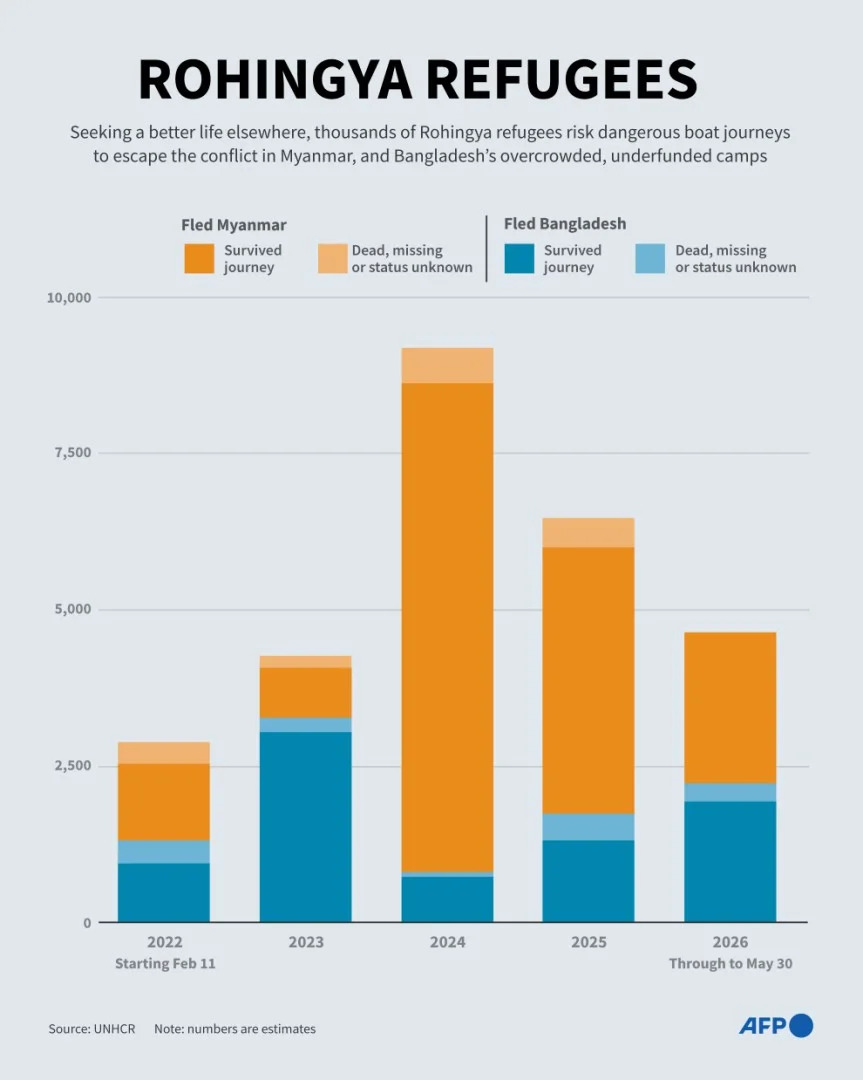
Infographic chart showing the annual totals of Rohingya refugees fleeing Bangladesh and Myanmar by boats, according to the UNHCR estimates.Janis LATVELSNicholas SHEARMANAFP
Official Responses
Malaysia’s human rights commission expressed "deep concern over the growing hostility, discriminatory rhetoric and online attacks directed at the Rohingya community." Home Minister Saifuddin Nasution said the government aims to balance security and humanitarian considerations by cooperating with countries that host large migrant populations. Prime Minister Anwar Ibrahim said Malaysia will engage through ASEAN mechanisms with Myanmar to help address the Rohingya predicament in the region.
Experts warn that algorithms that reward outrage over accuracy allow isolated incidents to be generalized to an entire refugee population, creating fertile ground for engagement farming and political manipulation. Rights groups are calling for stronger platform moderation, improved media literacy and targeted protection measures for vulnerable communities.
Help us improve.