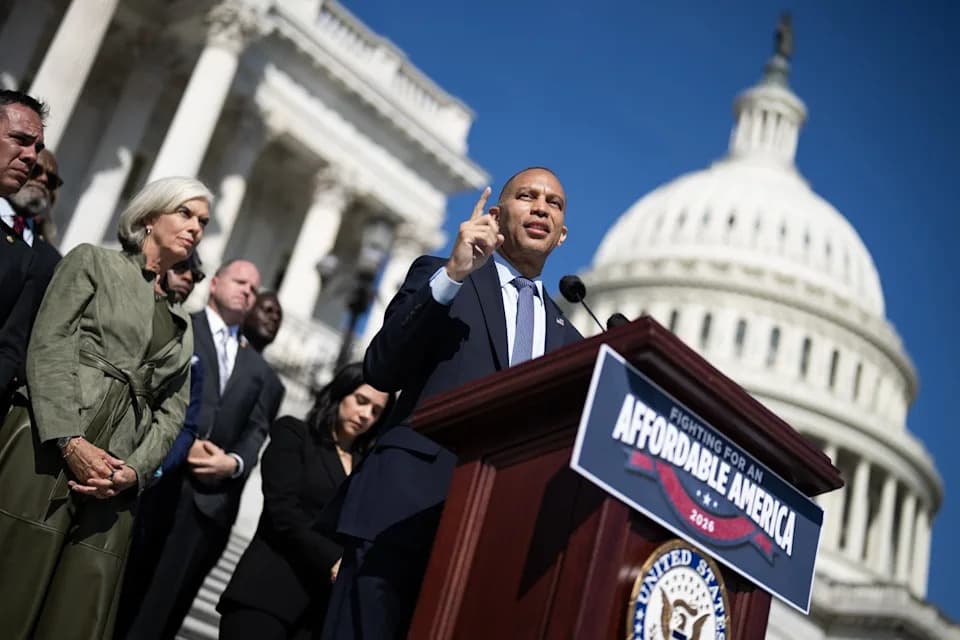
CNBC's All‑America Economic Survey finds housing has overtaken inflation as the top concern for Americans aged 18–34 ahead of the 2026 midterms. The shift reflects rising home prices, elevated mortgage rates and growing insurance and tax burdens; Harvard's JCHS reports nearly half of renters spend more than 30% of income on housing. A recent bipartisan housing bill became law despite the president not signing it, and Democrats hold a modest edge with voters on handling housing. These affordability pressures could shape turnout and campaign strategy in 2026.
Housing Overtakes Inflation as Top Concern for Young Voters Ahead of 2026 Midterms, CNBC Survey Finds
Housing Has Overtaken Inflation as Biggest Concern for Young Americans Ahead of 2026 Midterms, Survey Finds
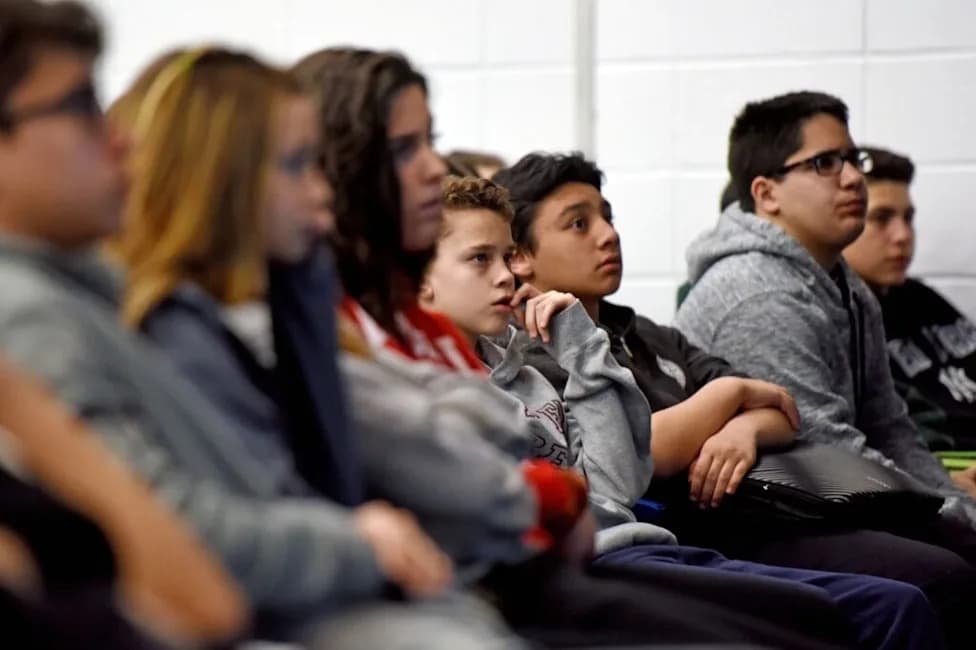
Housing costs have become the leading political concern for Americans aged 18 to 34 as the 2026 midterm elections approach, according to CNBC's latest All‑America Economic Survey. The finding highlights how housing affordability is emerging as a decisive issue for younger voters.
Survey Results: Housing Rises To The Top
The survey reported that respondents aged 18 to 34 ranked housing ahead of the cost of food and groceries and even above concerns about protecting democracy. Housing was also the top issue for men aged 18 to 49 and the second‑most important concern for voters aged 35 to 49, behind food costs.
“I think housing could be the healthcare of 2024, given especially the need for Democrats to turn young people out who are inclined to be anti‑Trump and pro‑democratic,” said Jay Campbell, a partner at Hart Research and the Democratic pollster behind the survey.
What's Driving The Affordability Crisis?
The affordability squeeze reflects multiple pressures: rising home prices, higher mortgage rates, growing insurance costs and increasing property taxes. A June report from Harvard University's Joint Center for Housing Studies found that 49% of renter households spent more than 30% of their income on housing, while 12.1 million renter households devoted more than half their income to housing costs.
CNBC's second‑quarter Housing Market Survey also found that although inventory has improved and buyers gained some negotiating leverage, elevated mortgage rates and persistently high prices remain the main obstacles for prospective purchasers. Real estate agents reported sellers were increasingly willing to lower asking prices as conditions shifted.
Financing And Supply Trends
Borrowing costs have stayed stubbornly high even as some inflation measures have eased. HousingWire lead analyst Logan Mohtashami recently warned that mortgage rates are likely to remain in their recent range as the Federal Reserve maintains a hawkish stance and geopolitical uncertainty keeps long‑term borrowing costs elevated. The Mortgage Bankers Association reported the average rate on a 30‑year fixed mortgage rose to 6.65% — the highest level since August 2025 — and purchase applications fell 7% from the prior week, signaling continued strain on would‑be buyers.
Supply constraints also play a role. Zillow reported that the number of U.S. cities where starter homes cost at least $1 million has nearly tripled since 2020, driven by persistent shortages and strong demand.
Policy Impact And Political Stakes
Housing has moved onto the campaign agenda: a bipartisan bill intended to boost housing supply, lower rental and purchase costs, and limit private equity's role in the housing market became law earlier this month. President Donald Trump canceled a planned signing ceremony and did not sign the measure, but he also did not veto it, allowing the legislation to take effect.
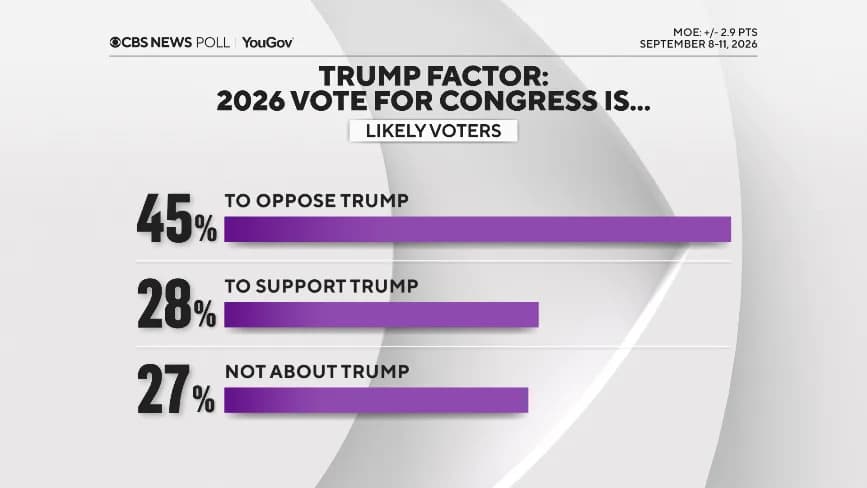
The survey found Democrats held a modest advantage on the issue: 38% of respondents said Democrats would do a better job handling housing versus 32% for Republicans. Among voters who ranked housing among their top two concerns, 53% favored Democrats. Overall, respondents gave Democrats a 49% to 45% edge over Republicans on which party they preferred controlling Congress after the midterms.
Why It Matters: With housing affordability now a leading voter concern—especially among younger cohorts—campaign messaging, turnout efforts and policy proposals on housing could play a major role in shaping the 2026 midterm landscape.
Image credit: Amy Newman/NorthJersey via Imagn
Help us improve.