Australia has accelerated defence and diplomatic engagement across the South Pacific to counter China’s growing presence, signing agreements with Papua New Guinea, Fiji and Vanuatu and pursuing deals with the Solomon Islands and Tonga. Beijing has responded with demonstrations of military capability, including a ballistic missile test into the Pacific the day Australia announced the Fiji pact. Pacific nations, meanwhile, prioritise climate resilience, economic opportunity and law-enforcement support even as they negotiate security arrangements with Canberra and other partners.
Australia Bolsters Pacific Ties as It Pushes Back Against China's Influence
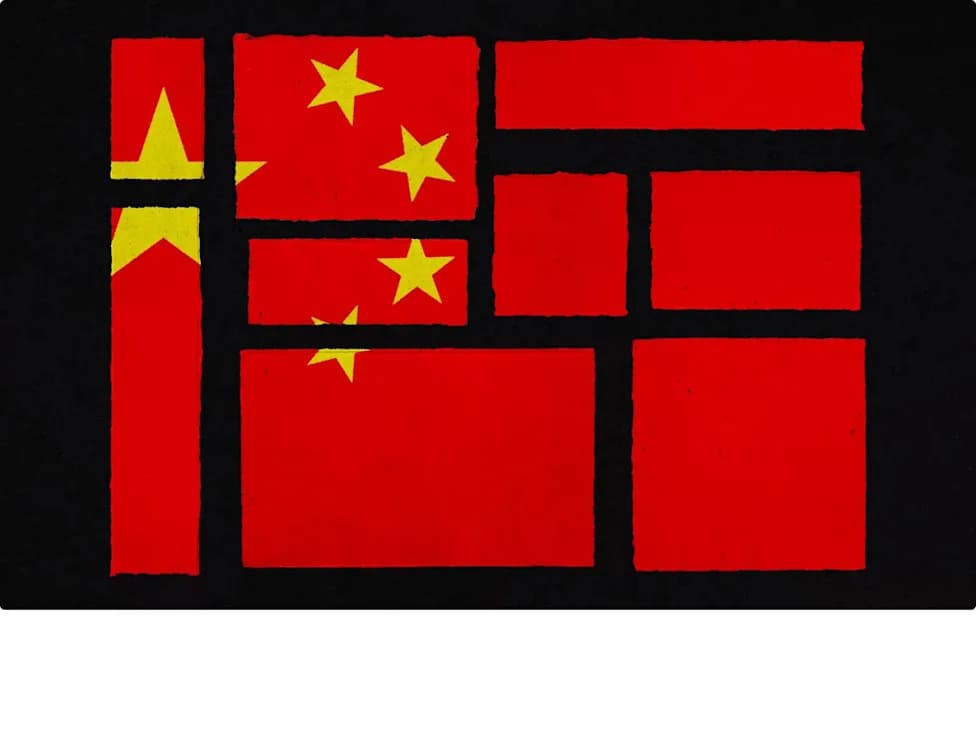
Australia is outplaying China Lead
The small island states of the South Pacific have become an increasingly contested region as Australia reasserts influence to counter Beijing's diplomatic, economic and security outreach.
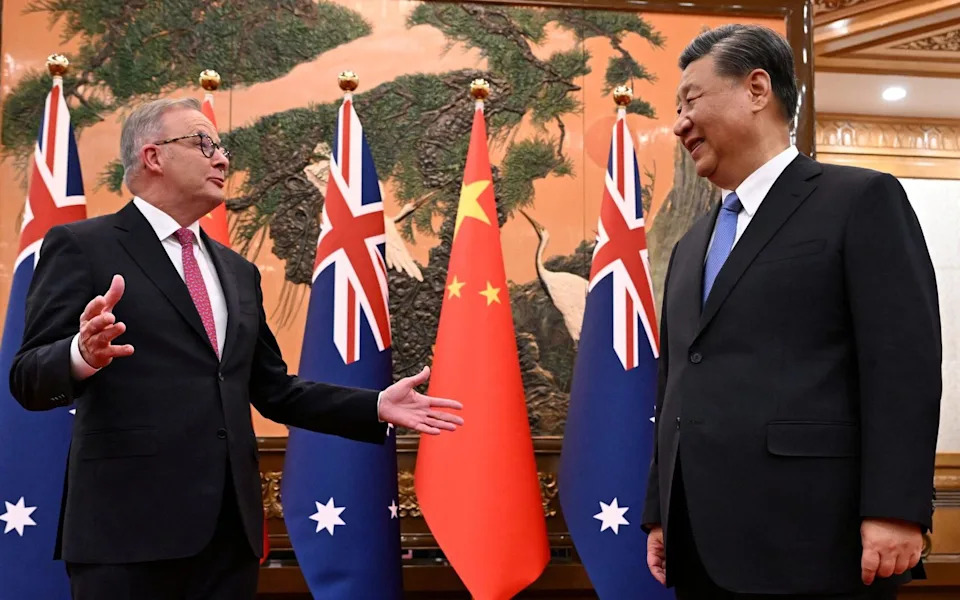
Anthony Albanese's government is countering Xi Jinping's influence tactics in Australia's backyard - Lukas Coch/AAP/Reuters
Canberra's Renewed Push
Under Prime Minister Anthony Albanese, Australia has stepped up diplomacy and defence cooperation across the Pacific. In the past year Canberra effectively doubled its number of mutual defence agreements, signing new pacts with Papua New Guinea and Fiji and concluding a cooperation arrangement with Vanuatu designed to prevent any future foreign military base there. Further agreements are reported to be in progress with the Solomon Islands and Tonga.
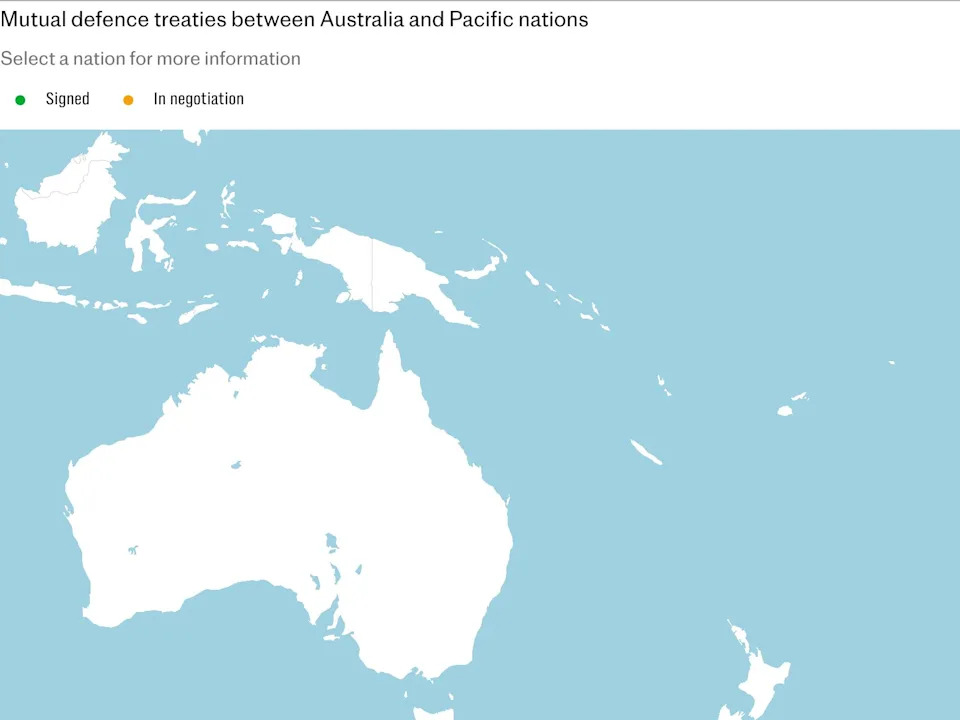
2207 Mutual defence treaties between Australia and Pacific nations
Why the Pacific Matters
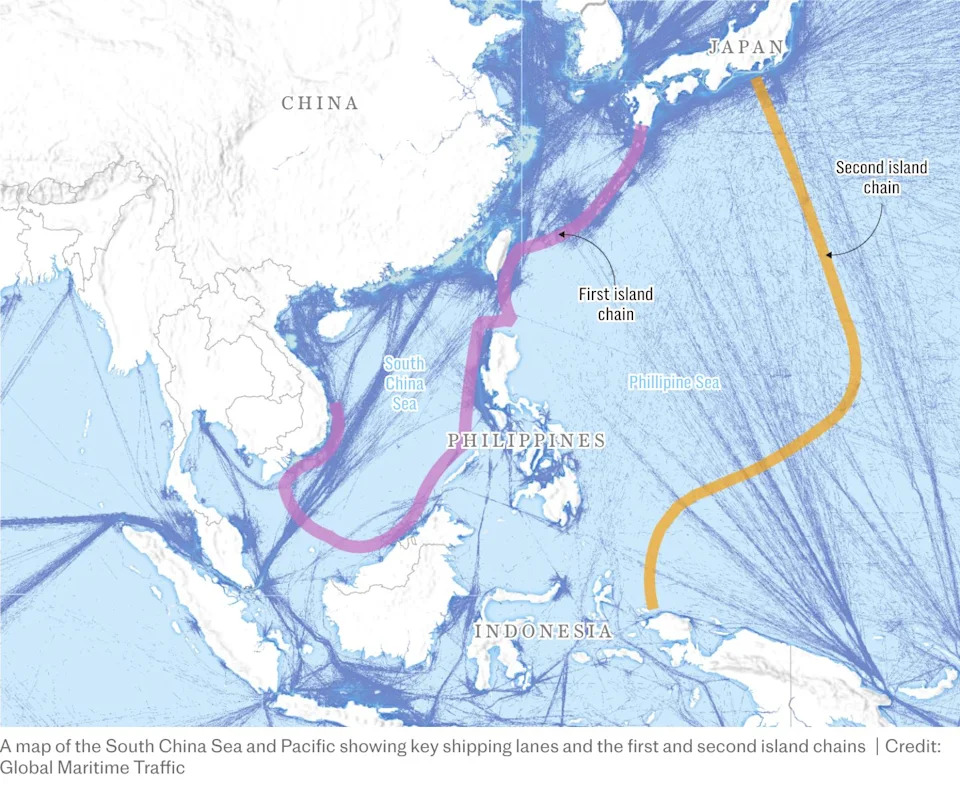
Pacific island states occupy strategic sea lanes that link Australia to the United States and other allies. In a potential regional conflict—whether over Taiwan or in the South China Sea—those sea lanes and island bases could be vital for resupply and logistics. Experts note that Australia's geographic position makes it a more proximate staging area than the continental United States or Europe.
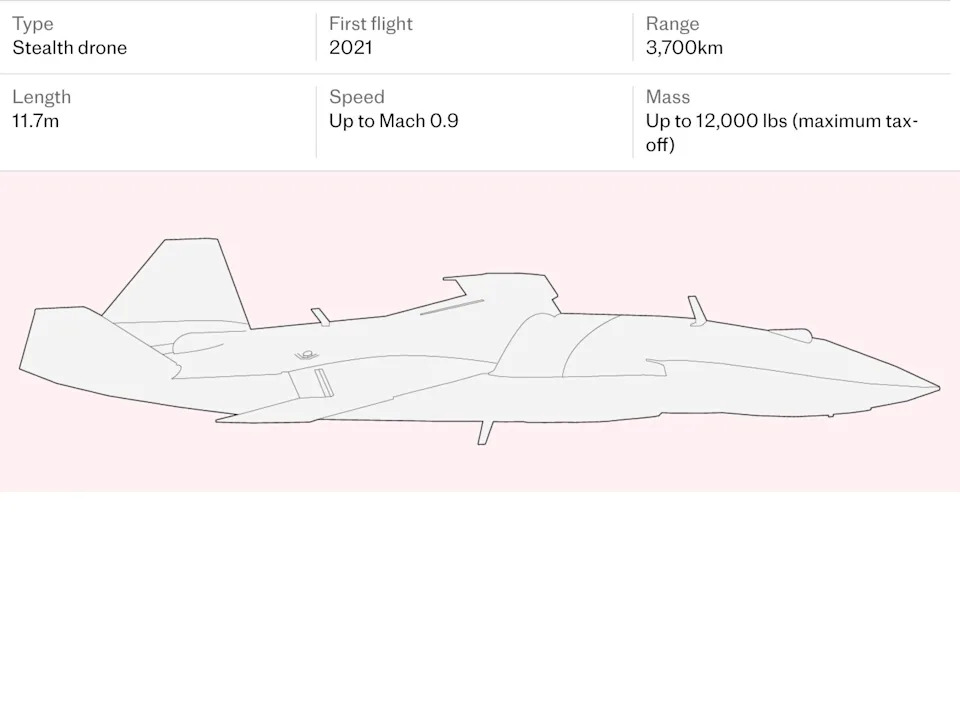
2207 Graphic of MQ-28 Ghost Bat
"Australia is now being seen with that level of suitability as real estate. Marine bases, intelligence bases or bomber bases. That's why we're more important to [the US] now than ever," said John Blaxland, a former Australian army officer.
Beijing's Response
Beijing has reacted to Australia’s diplomatic gains. On the same day Canberra announced its new defence pact with Fiji, China conducted a ballistic test missile launch into the Pacific—an act many analysts interpreted as a deliberate signal to Australia and Pacific partners. China has also deepened ties across the region through development loans, infrastructure projects and security assistance.
Lasting Effects of External Influence
When Australia’s attention was diverted by long deployments to the Middle East in the 2000s, China increased its engagement in the Pacific by financing ports, roads and government buildings and extending other forms of support. Those investments helped Beijing win influence: three Pacific states—Solomon Islands, Kiribati and Nauru—have switched recognition from Taipei to Beijing in recent years.
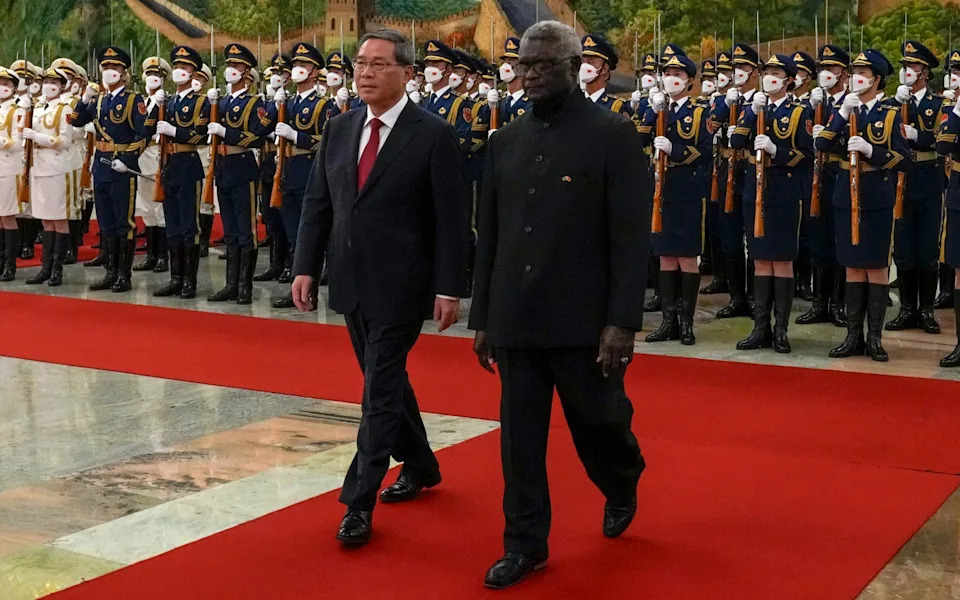
Manasseh Sogavare, prime minister of the Solomon Islands, with China's premier Li Qiang - Andy Wong/AFP
However, several Pacific nations and regional analysts say that Chinese investment can come with strings attached. Allegations include attempts to influence local politics and media, and offers of security arrangements that some island governments and critics view as compromising sovereignty.
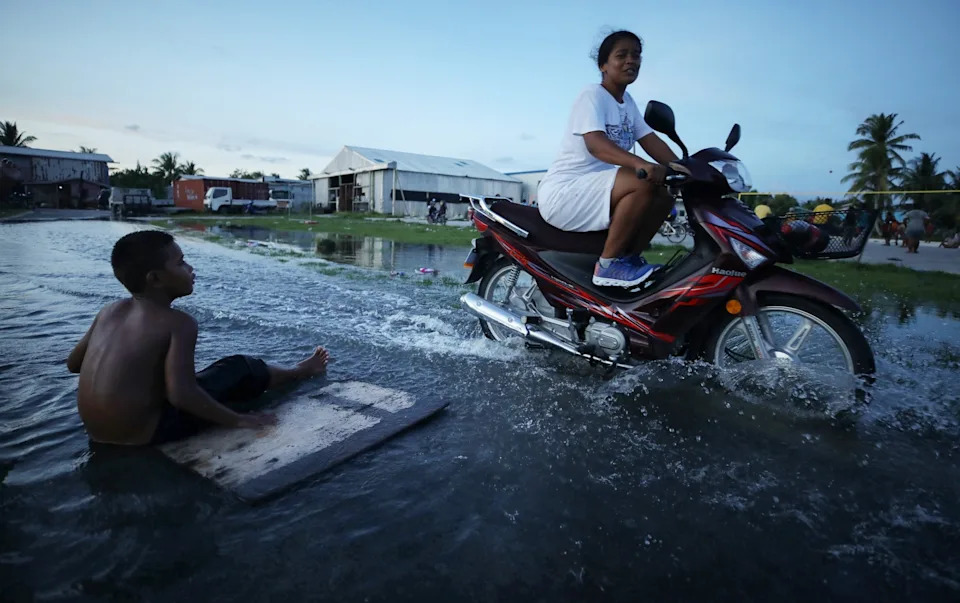
Island nations are looking for investments in infrastructure to tackle rising sea levels - Mario Tama/Getty
What Pacific States Want
Many island governments prioritise climate resilience, economic opportunity and stronger law enforcement over hard military alignments. They seek investment in renewable energy, infrastructure to address rising sea levels, and assistance to curb illegal fishing and transnational crime.
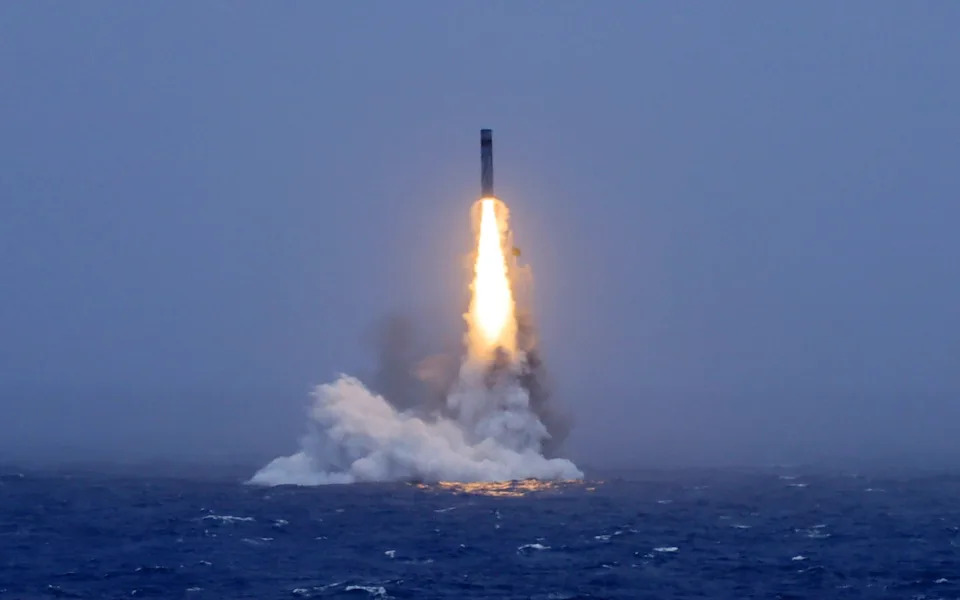
China's missile tests in the Pacific are being seen as a sabre-rattling response to Australian diplomatic gains - Li Xiangchao/Xinhua/AP
Negotiations sometimes reflect these priorities. For example, Canberra briefly excluded Vanuatu from its Pacific Engagement Visa ballot earlier this year; two days after signing their cooperation agreement, Australia restored 150 slots to the program. Vanuatu also negotiated to keep consultation rights rather than concede full veto powers over foreign investments.

Sign up to the Cables newsletter
Australia's Defence Build-Up
Domestically, Australia has increased defence spending substantially and invested in new capabilities, including stealth and unmanned systems such as the MQ-28A "Ghost Bat" drone program and new underwater vessels described in media reports as "sharks." These moves are presented by Canberra as measures to bolster deterrence and resilience in the region.
"It's not just about today and tomorrow, and this is a long-term competitive influence," Mr Blaxland warned, reflecting broader concerns that strategic competition in the Pacific will persist for years.
As diplomatic and security ties evolve, Pacific island governments will continue balancing offers from Canberra, Beijing and other partners while pressing for investments that address urgent human, economic and environmental needs.
Help us improve.