Prime Minister Matthew Wale adjourned Solomon Islands parliament indefinitely after surviving a no-confidence motion that drew close international attention. The motion was withdrawn as several lawmakers defected to Wale's coalition, strengthening his position. Wale is reviewing a 2022 security pact with China while negotiating closer security and investment ties with the U.S. and Australia. The pause will allow his government to advance major policy changes, including mining reform and a proposed free-education plan, ahead of a planned budget return.
Solomon Islands PM Survives No‑Confidence Bid, Adjourns Parliament to Pursue Reforms and Rethink Security Ties
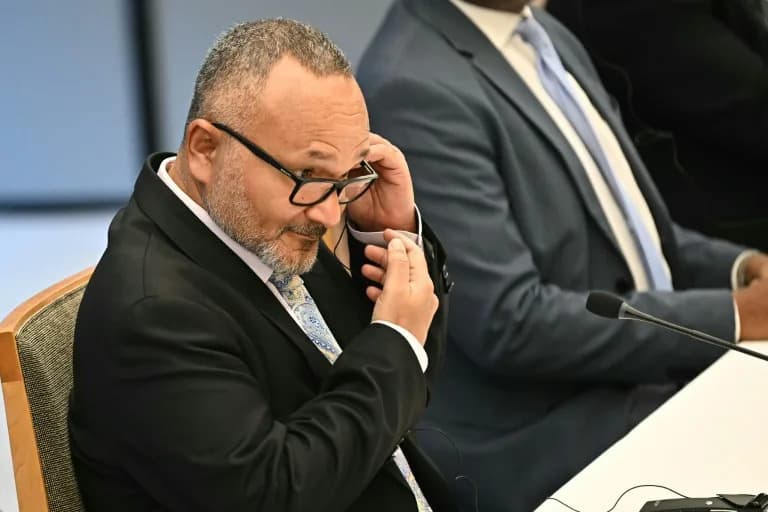
Solomon Islands' Prime Minister Matthew Wale meets with Japan's Prime Minister Sanae Takaichi during the Japan-Solomon Islands Summit at the Prime Minister's Office in Tokyo on July 23, 2026. (Philip FONG)
Solomon Islands Prime Minister Matthew Wale on Monday adjourned parliament indefinitely after surviving a high-stakes no-confidence challenge that drew intense scrutiny from China, the United States and other Pacific partners.
Standoff, Diplomatic Visits and Security Shifts
The parliamentary drama coincided with the arrival of U.S. Deputy Secretary of State Christopher Landau, who pledged the return of the Peace Corps to the islands — a symbolic move in a country where U.S. Pacific forces fought a pivotal World War II battle. Wale has opened a review of a 2022 security pact with China as his government reorients toward closer ties with the United States and Australia.
Wale cut short his attendance at a Pacific Islands leaders summit last week to return home and confront the no-confidence motion. Diplomats at the Pacific Islands Forum told AFP that his survival in office, just three months after beginning to reduce reliance on China, could have important security and geopolitical consequences for the region.
Motion Withdrawn, Coalition Strengthened
The no-confidence motion was withdrawn on Sunday by its initiator, Manasseh Maelanga, who had been sacked as home affairs minister after several lawmakers defected to Wale's coalition. By adjourning parliament indefinitely on Monday, Wale has forestalled an immediate repeat challenge.
"We hope to come back before Christmas to pass the budget," Wale told parliament, signalling an intention to reconvene once urgent fiscal business is addressed. "The pace of change is fast."
Policy Priorities and Regional Reactions
Wale said the pause will provide time to consider major policy changes, including mining reform and proposals to introduce free education. Since his election in May, his administration has been negotiating a new treaty with Australia, agreed arrangements to allow U.S. Coast Guard patrols, and entered talks over potential U.S. investment in a port previously eyed by China.
Australia has criticised the deployment of Chinese police to the Solomons under the previous government led by Manasseh Sogavare, and Canberra is working with Wale's administration to expand training for Pacific police forces. Several Pacific leaders skipped the recent summit amid tensions after China bristled at Taiwan's presence.
"I imagine that the Australian government will be very relieved," said James Batley, a former Australian high commissioner to the Solomons. "The general public reaction to the idea of a motion of no-confidence would have been very hostile so soon after Wale's election."
What It Means
The episode underscores the strategic tug-of-war playing out across the Pacific, where small island states are navigating offers of investment, security ties and diplomatic pressure from major powers. Wale's government now has a window to consolidate a new policy direction while preparing its budget and advancing domestic reforms.
Help us improve.