Mykhailo Fedorov's unexpectedly abrupt removal as Ukraine's defence minister has prompted concern that Kyiv's fast-growing lead in drone and robotic warfare could stall. Experts say Fedorov catalysed low-cost, mass-producible unmanned systems, cultivated crucial ties with global tech firms and secured Starlink support from SpaceX. His reforms provoked resistance from military traditionalists, prompting protests by young tech communities. Analysts warn Western governments are unlikely to intervene in Ukraine's internal personnel decisions.
Fedorov's Ouster Threatens Ukraine's Drone Edge, Experts Warn
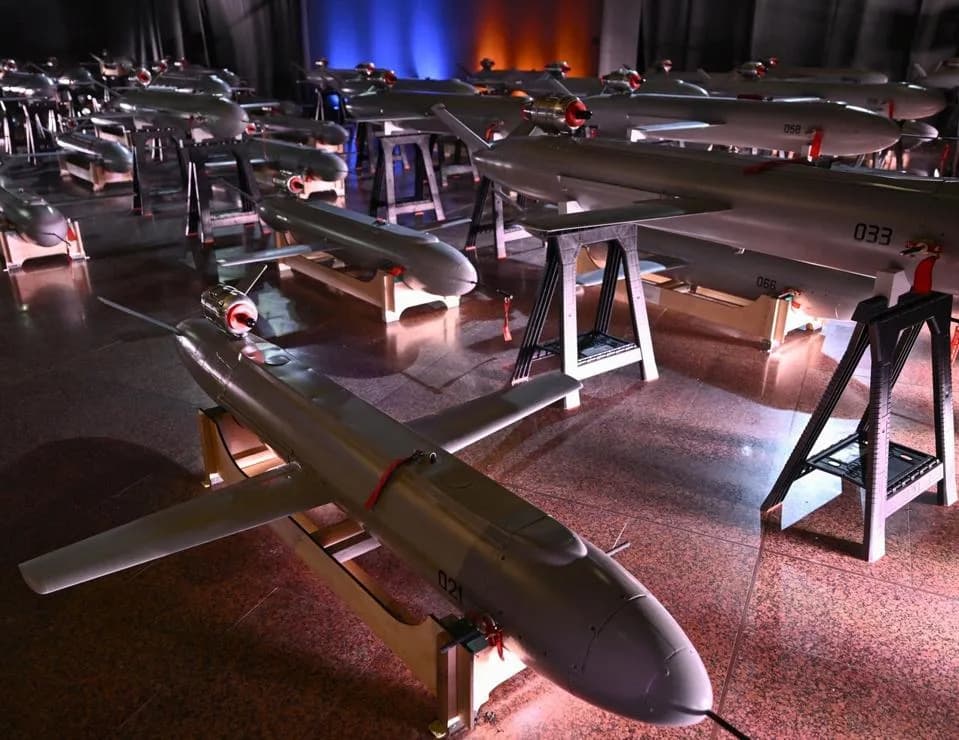
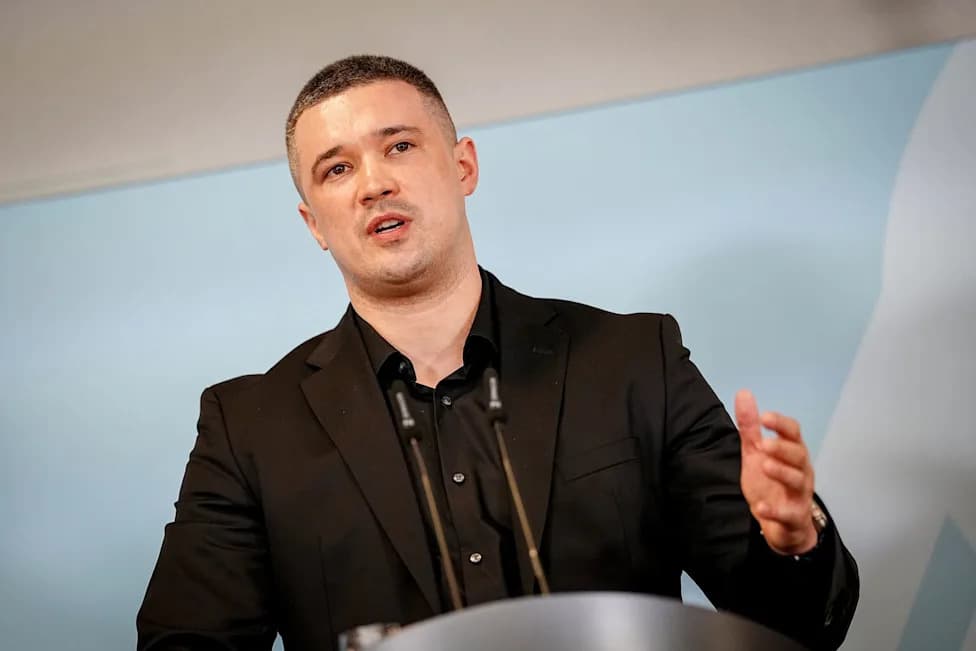
The ouster of tech wizard Mykhailo Fedorov as Ukraine's defense minister could jeopardize its rise as a drone superpower, says a world-leading expert on the war and its contending commanders and strategies. (Photo by GENYA SAVILOV/AFP via Getty Images)AFP via Getty Images
The sudden dismissal of Mykhailo Fedorov from his role as Ukraine's defence minister has raised alarm among analysts and technology partners who credit him with accelerating Kyiv's shift to drone- and robot-centred warfare. Peter Dickinson, a senior analyst at the Atlantic Council, says Fedorov's removal risks undermining the rapid innovation and international tech ties that have helped Ukraine punch above its weight on the battlefield.
From Digital Reformer To Defence Innovator
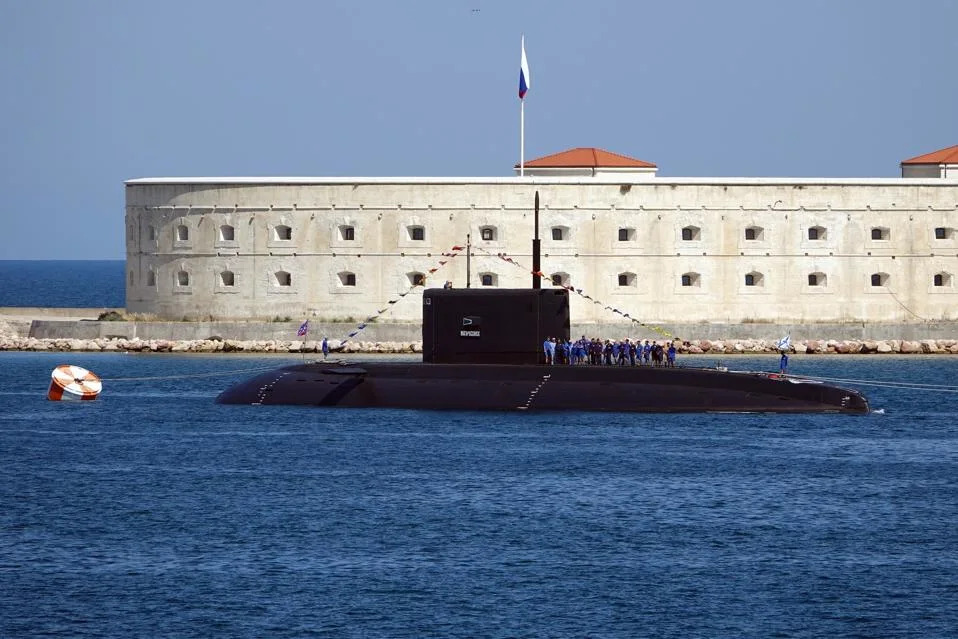
Mykhailo Fedorov was the supreme strategist of sensational drone strikes that blasted strategic jet fighters across Russia and decimated its Black Sea Fleet around occupied Crimea. Shown here is a 2019 photo of a Russian submarine off the coast of Crimea, which it invaded five years earlier. (dpa-story: "Russian" life in Crimea) (Photo by Ulf Mauder/dpa/picture alliance via Getty Images)
Formerly Ukraine's Minister of Digital Transformation, Fedorov led efforts to deploy low-cost, mass-producible unmanned systems — from first-person-view (FPV) attack drones to interceptor craft and ground robots — that have been widely credited with altering the dynamics of several clashes with Russian forces. Dickinson describes him as a driving force behind Kyiv's emphasis on unmanned systems and rapid iteration in defence technology.
Key Partnerships And The Starlink Lifeline

When SpaceX founder Elon Musk activated his Starlink satellites over Ukraine, and airlifted thousands of sat terminals into the besieged democracy, Russian envoys began threatening at UN forums to shoot down the broadband-beaming spacecraft. Shown here is the SpaceX satellite-filled sky. (Photo by: Alan Dyer/VWPics/Universal Images Group via Getty Images)
In the opening days of the full-scale invasion, Fedorov mobilised an international "IT Army" to target hostile infrastructure online and publicly appealed to SpaceX founder Elon Musk for Starlink terminals when missile strikes severed Ukraine's internet. Musk responded by enabling Starlink service over Ukraine and facilitating shipments of terminals — a step that Washington and Kyiv have since regarded as critical to battlefield connectivity despite Russian diplomatic protests and threats.
Tensions With The Military Old Guard
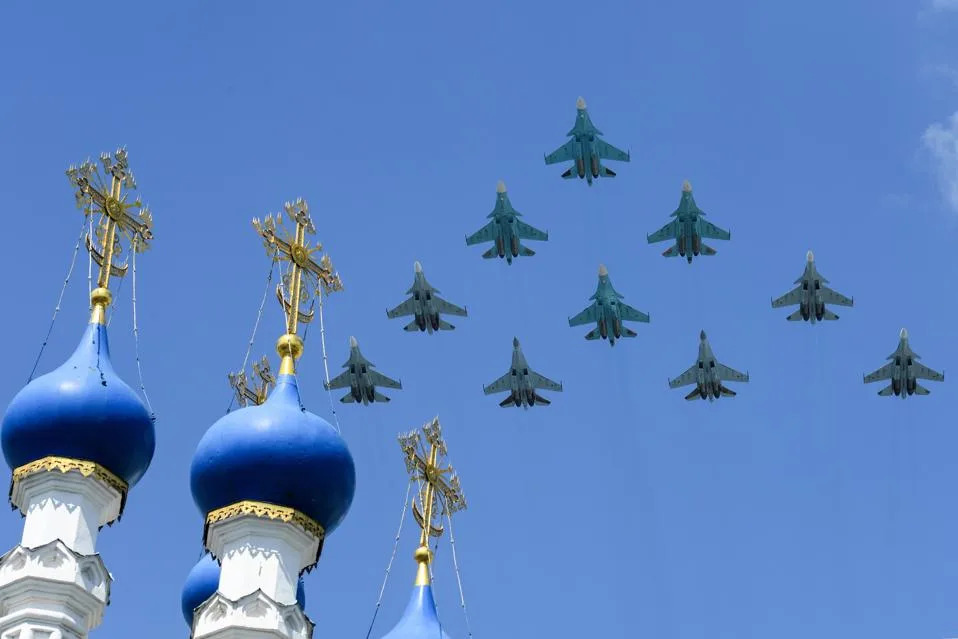
Russia has deployed advanced Su-34 bomber jets to destroy SpaceX Starlink transceivers across blitzed Ukraine. (Photo by KIRILL KUDRYAVTSEV/AFP via Getty Images)
Fedorov's push to decentralise procurement, increase transparency, and allow front-line operators to acquire systems directly via digital channels provoked resistance from elements of Ukraine's defence establishment that remain oriented toward Soviet-era procedures. Critics within the military argued that his reforms sidelined traditional command structures and vested procurement interests.
Claims, Achievements And Controversies
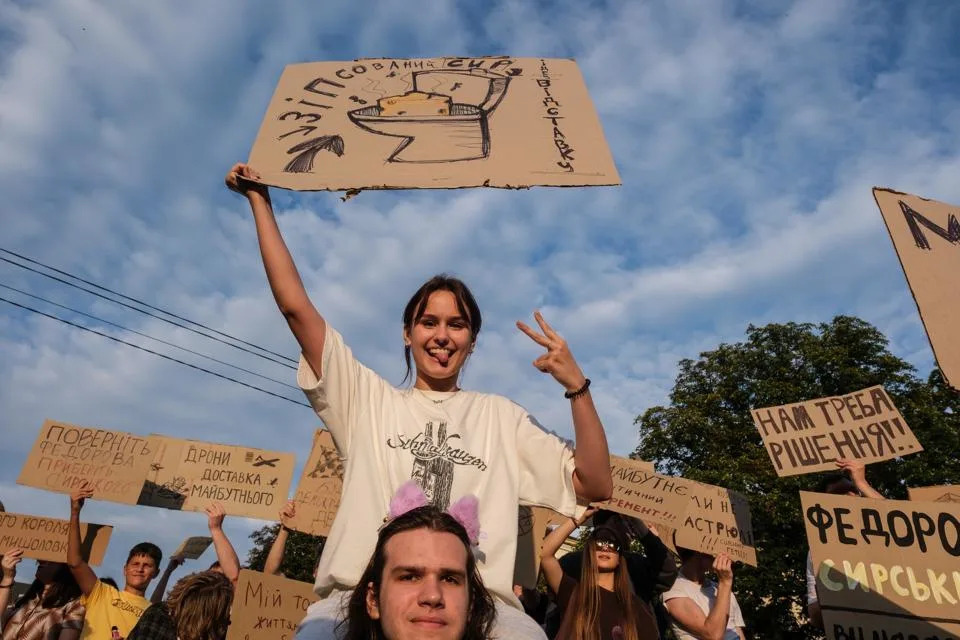
Young protesters waving banners, flags and cardboard signs across Ukraine have been calling for the reinstatement of Mykhailo Fedorov as defense minister. Shown here are demonstrators in the ancient western cultural center of Lviv. (Photo by Les Kasyanov/Global Images Ukraine via Getty Images)
On social media and in public statements after his dismissal, Fedorov highlighted specific achievements: the development of mid-strike FPV capabilities, interceptor drones, and other low-cost reconnaissance and strike systems. He also cited performance figures — a claimed drone interception rate increase from 83% to 91% and cruise-missile interception rising from 47% to 87% — and said he helped secure roughly $40 billion in pledges through the Ukraine Defence Contact Group and pursued procurement of Sweden's Gripen fighters.
These figures are presented as Fedorov's assertions and should be viewed in that context; independent verification of some performance metrics is limited.
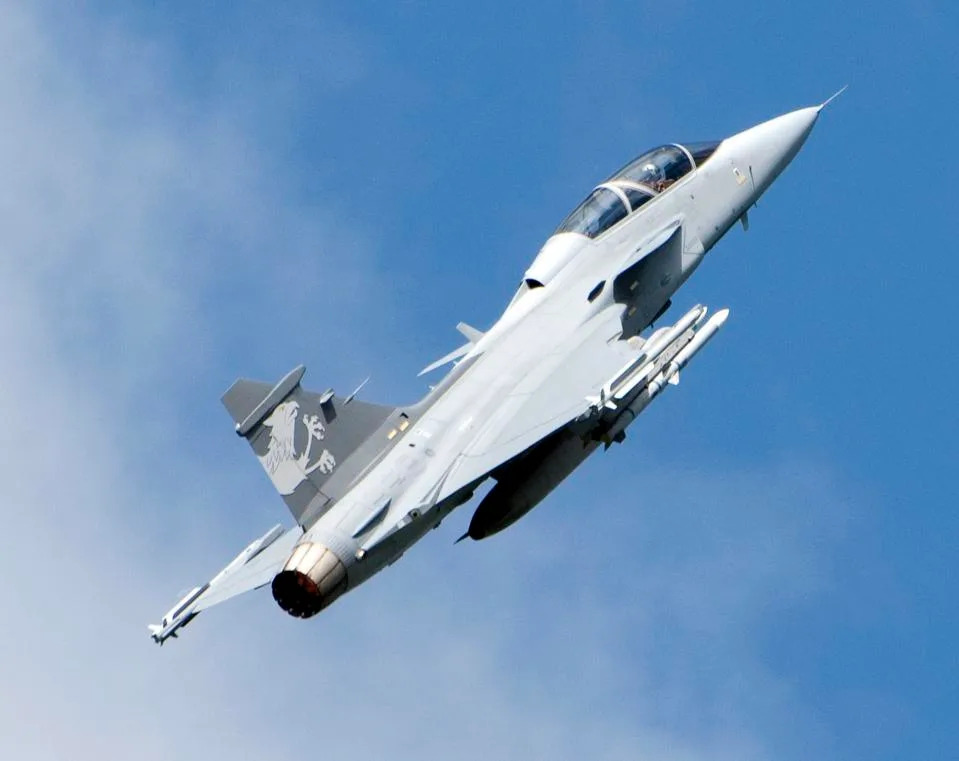
When Fedorov created a digital shrine, on the platform X, to his triumphs as defense minister, he listed one as the procurement of Sweden's leading-edge Gripen fighter jets to rebuild and expand Ukraine's Air Force (JOHAN NILSSON/AFP via Getty Images)
Domestic Fallout And Public Reaction
News of Fedorov's dismissal prompted demonstrations by young tech workers, students and start-up communities in several Ukrainian cities calling for his reinstatement. Observers caution that while the protests are symbolically significant, they involve a relatively small number of participants compared with Ukraine's wartime population.
What Comes Next?
Dickinson and other analysts warn that losing a high-profile technology interlocutor could weaken Kyiv's informal ties to global tech firms and slow the pace of hardware and software innovation at a critical moment. Western governments are widely expected to view ministerial appointments as an internal Ukrainian matter and are unlikely to intervene directly.
Fedorov has stated he will remain active in supporting Ukraine's asymmetric strategy and innovation efforts. Whether his initiatives will be sustained without his official leadership — and whether Kyiv can maintain momentum amid internal resistance — are open questions that will shape the next phase of the conflict's technological evolution.
"The removal of Fedorov creates grave risks for the Ukrainian war effort," Peter Dickinson said, noting the danger that Kyiv's technological advantages could erode without sustained, high-level advocacy for rapid innovation.
Help us improve.