The University of Sheffield and Farm Urban have launched a pilot vertical farm 0.7 miles (1.1 km) underground at STFC Boulby Underground Laboratory, growing lettuce and pak choi on upright hydroponic beds. The year-long trial will collect real-world data on commercial viability and test halophytic and higher-value crops, while acknowledging limits for root vegetables. Stable underground temperatures and existing mine infrastructure could lower energy costs, and successful results might allow repurposing disused mines to create local jobs and increase access to fresh produce.
Inside the World's Deepest Vertical Farm: Growing Pak Choi 1.1 km Underground
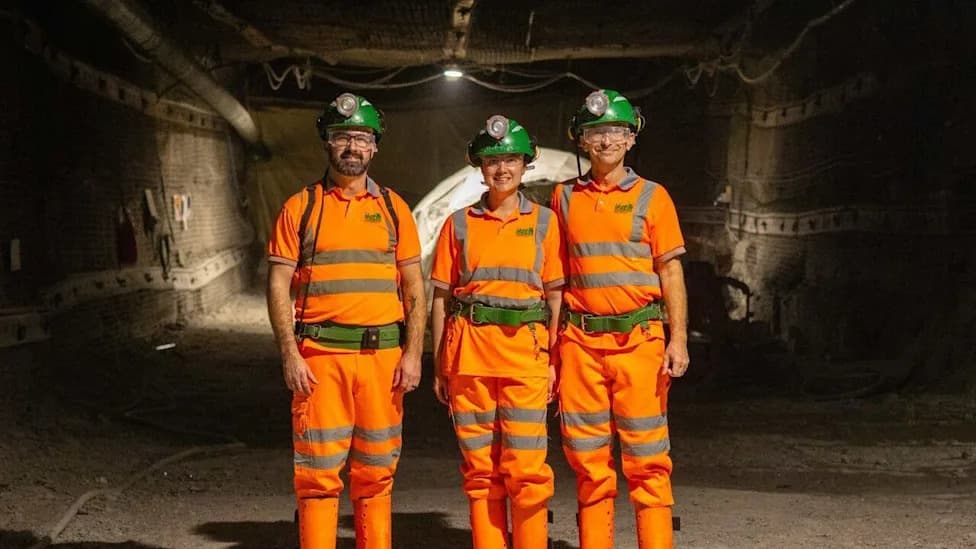
Jacob Nickles (left) and his colleagues in the STFC Boulby Underground Laboratory [STFC]
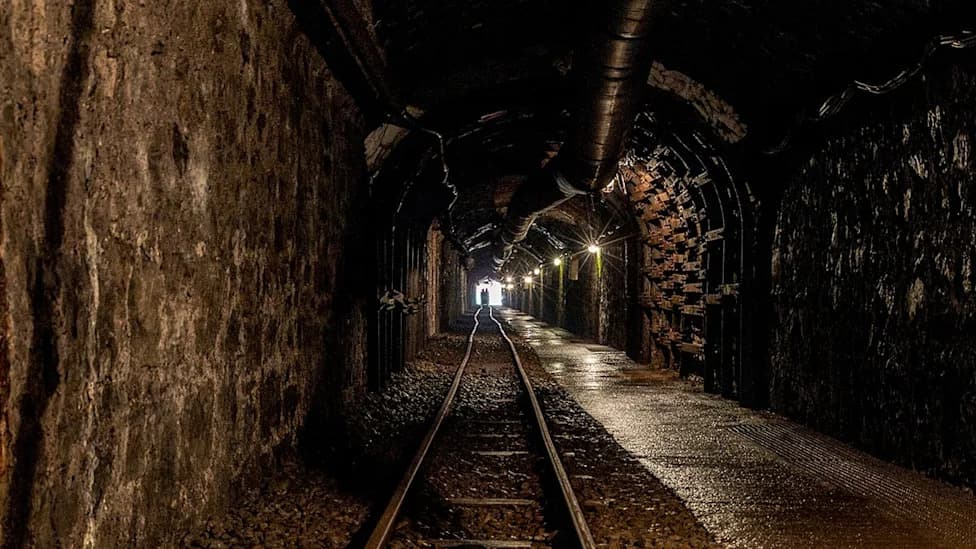
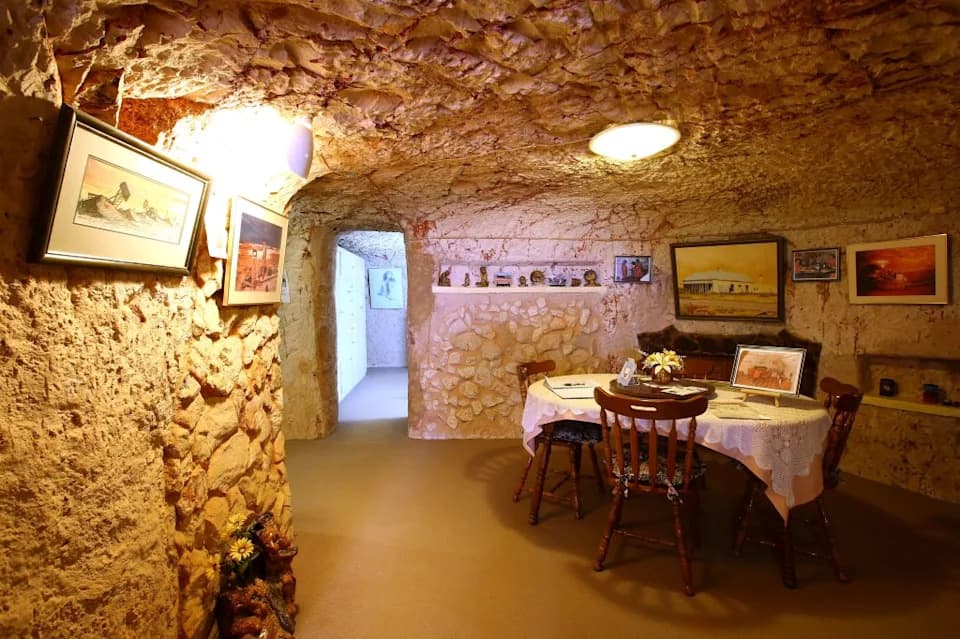
The University of Sheffield and partner Farm Urban have opened what they describe as the world's deepest vertical farm about 0.7 miles (1.1 km) below ground inside the working STFC Boulby Underground Laboratory in North Yorkshire. The pilot uses upright, illuminated hydroponic beds to grow salad crops such as lettuce and pak choi in an operational polyhalite and salt mine.
What the Project Is Testing
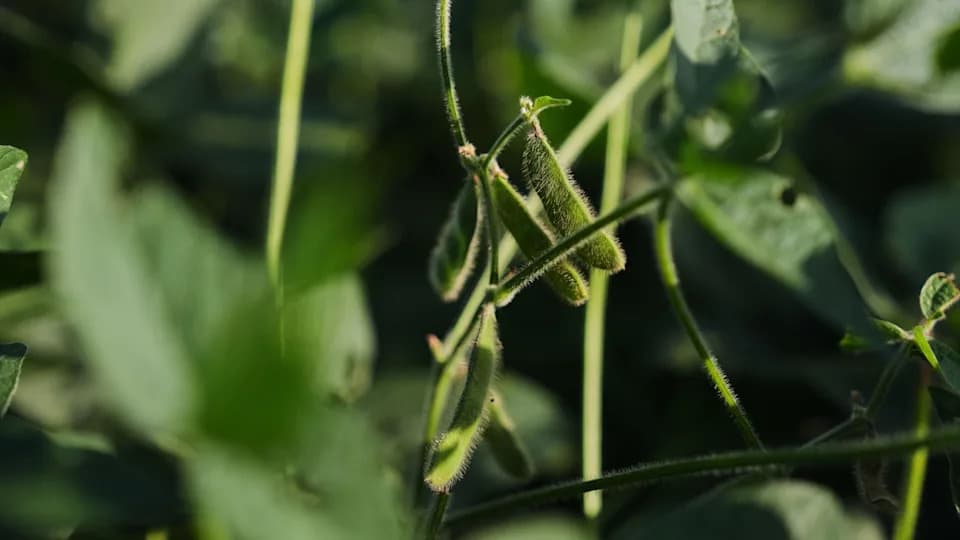
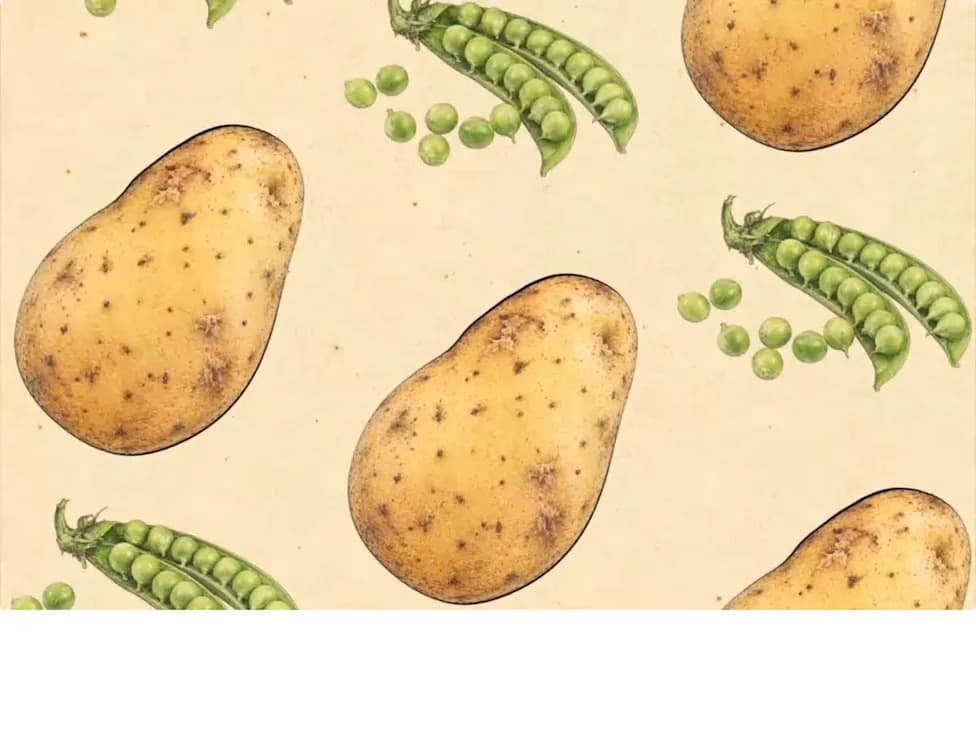
The year-long trial aims to gather the first real-world evidence on whether subterranean hydroponic growing can be commercially viable. Researchers will test a range of crops, including higher-value halophytic (salt-tolerant) species such as samphire and sea fennel, along with quinoa, rocket, basil, mustard and possibly a tomato variety. Root crops like carrots and potatoes are not suitable for the system because it is configured for vertical hydroponics rather than soil-based root growth.
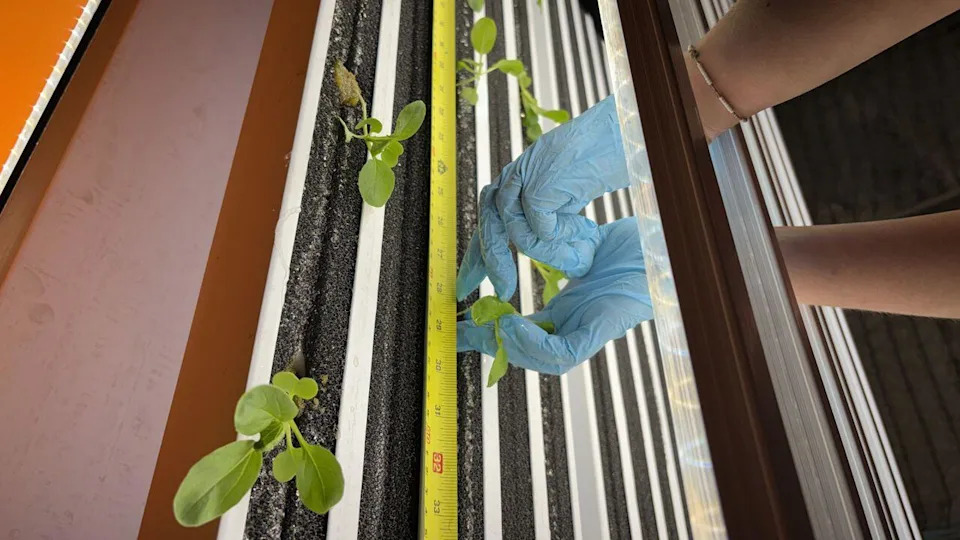
Plant installation at STFC [STFC]
"We're currently growing and, later this week, harvesting salad crops," said project co-lead Jacob Nickles. "In the next trial we'll aim for either higher-value halophytic crops, or a mix. We're currently discussing samphire, sea fennel, quinoa, rocket, basil, mustard and possibly a tomato variety."
Benefits and Challenges
Using an underground mine brings potential advantages: stable year-round temperatures and existing infrastructure (lighting, ventilation and access) could reduce the high energy costs commonly associated with aboveground vertical farms. The Boulby site already hosts scientific research that benefits from its subterranean environment, including low-background physics studies.
However, researchers note specific challenges that must be managed, such as ambient salt from the mine environment and heat linked to mining operations. The trial is designed to measure how these factors affect crop growth, yield and operational costs so the approach can be evaluated for other sites.
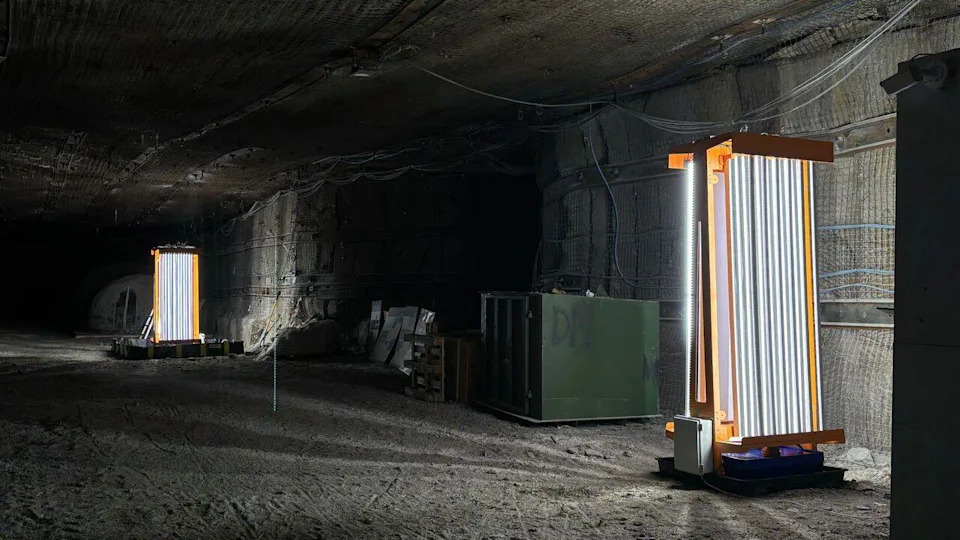
The vertical farms in Boulby Mine are about a mile underground [STFC]
Community and Economic Impact
Investigators say repurposing disused mines could offer social and economic benefits, especially in former mining regions often described as economically deprived. Potential outcomes include creating skilled local jobs, improving access to fresh produce, supporting community regeneration and giving heritage sites new, productive uses.
Professor Sean Paling, director of STFC Boulby Underground Laboratory, called the farm a "natural extension" of Boulby's research portfolio: "More than a kilometre underground, shielded from cosmic radiation, we conduct low-background physics including the search for dark matter and neutrino studies, alongside a range of pure and applied research. And now we're growing food."
The project will publish findings from the year-long trial to help determine whether other disused mines across the UK — and potentially beyond — could be converted into low-energy, community-focused vertical farms.
Help us improve.