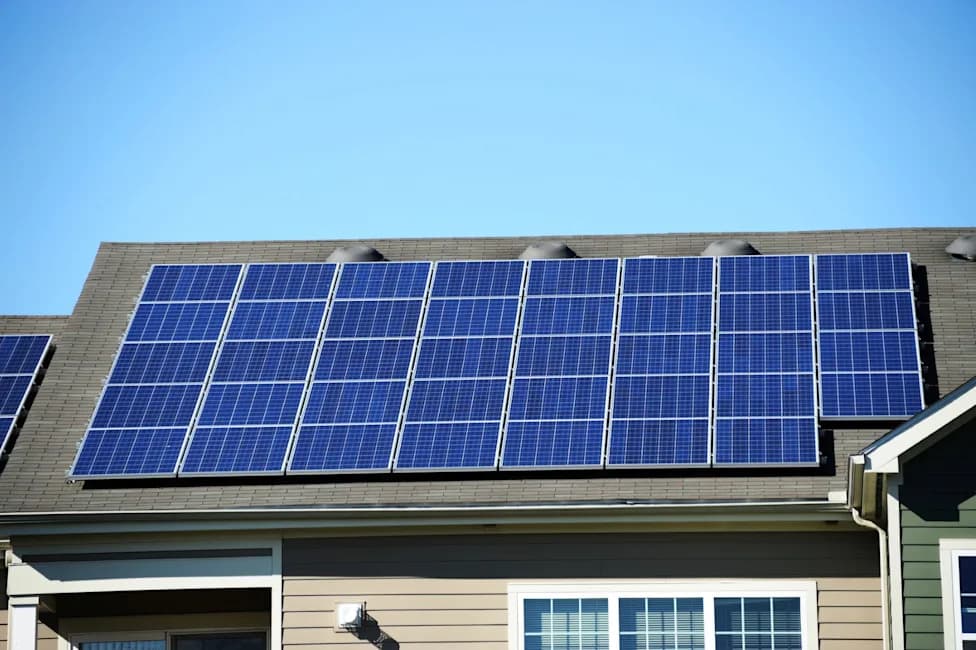
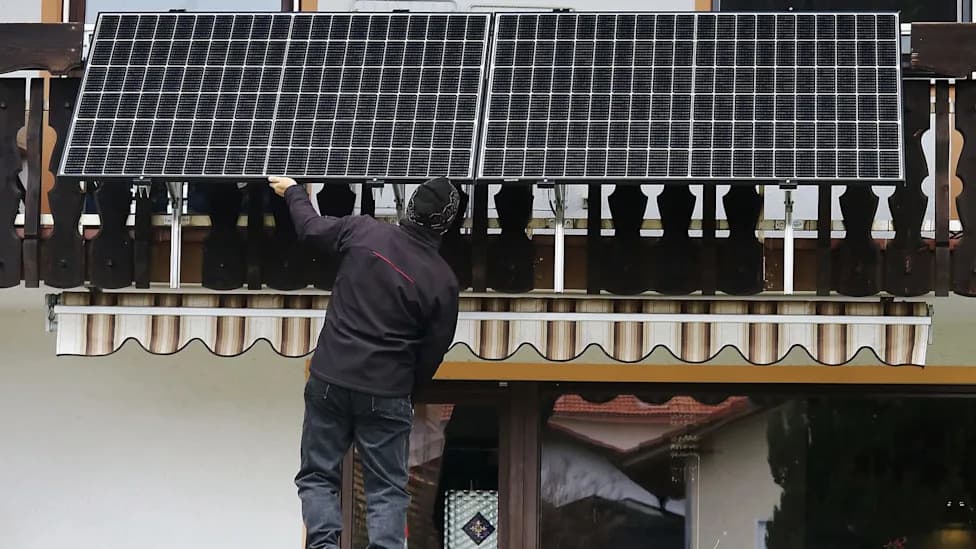
The Ohio State study shows that in many U.S. households a single committed person often pushes rooftop solar adoption. Combining interviews with 39 couples and a survey of 394 household representatives, researchers found that shared goals and divided responsibilities increase the chance of installation, while sustained opposition tends to stall projects. The authors recommend workshops, conversation guides, and targeted support for household "champions" to turn interest into action.
One Determined Household Member Often Sparks Rooftop Solar Adoption, Study Finds
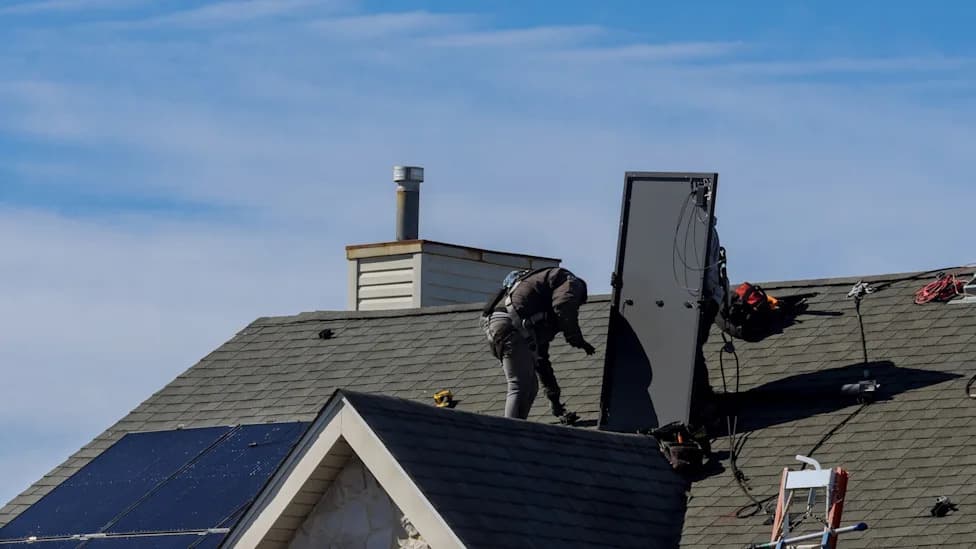
Photo Credit: iStock
Whether a family actually installs rooftop solar often depends as much on household dynamics as on the math of prices and payback periods. A new Ohio State University study finds that in many U.S. homes a single, highly committed household member frequently turns interest into a completed installation.
Study Details
Published in Nature Energy, the paper combines in-depth interviews with 39 couples and survey responses from 394 household representatives. Across both methods, homes where partners shared a clear goal and divided responsibilities were more likely to adopt rooftop solar; households marked by persistent opposition or unresolved disagreement tended to stall before installation.
"This introduces an opportunity for policy and interventions because if we're targeting incentives or communication campaigns to a household or one member of a household, that's probably not enough. We need to figure out how to support these champions," said Nicole Sintov, an associate professor at Ohio State and the study's senior author.
Why Household Dynamics Matter
The researchers found that a combination of a motivated "champion" and broad household support increases the likelihood of moving from interest to installation. Some families continued to debate the decision yet still progressed toward a rooftop system; in other cases, persistent disagreement stopped projects before they began.
Residential solar has reached roughly 8% of U.S. households. Given rooftop systems' potential to lower utility bills, reduce air pollution, and strengthen resilience to grid disruptions, wider adoption could deliver substantial benefits.
Practical Steps and Policy Implications
Sintov and her colleagues recommend practical interventions to bridge the gap between incentives and installations: workshops, step-by-step conversation guides, worksheets that map goals and split responsibilities, and programs that explicitly support household "champions." These approaches aim to improve coordination inside homes so technical incentives result in real uptake.
Tools such as EnergySage let homeowners compare quotes and estimate savings; EnergySage reports potential savings of up to $10,000 depending on system size and local incentives. The researchers also highlight battery storage as an effective way to protect homes during outages, lower energy costs, and support partial off-grid operation.
By framing major home upgrades as group decisions rather than choices made by a single individual, the study reframes clean-energy adoption as both a technical and relational challenge—and points to simple, human-centered interventions that could accelerate transitions to cleaner home energy.
Help us improve.