The Rodale Institute has begun construction on a $24 million Center for Regenerative Organic Innovation at its 386-acre Kutztown, PA campus, reopening the historic 1819 Siegfried Building as a modern, net‑zero educational hub scheduled for spring 2028. The project launches the $139 million 10 Million Acre Solution campaign to transition 10 million acres to regenerative organic practices and to train 100,000 farmers by 2030. Pennsylvania has pledged $4 million; Rodale is seeking about $10 million more to complete the Center.
Rodale Institute Breaks Ground On Net‑Zero Center To Scale Regenerative Organic Farming
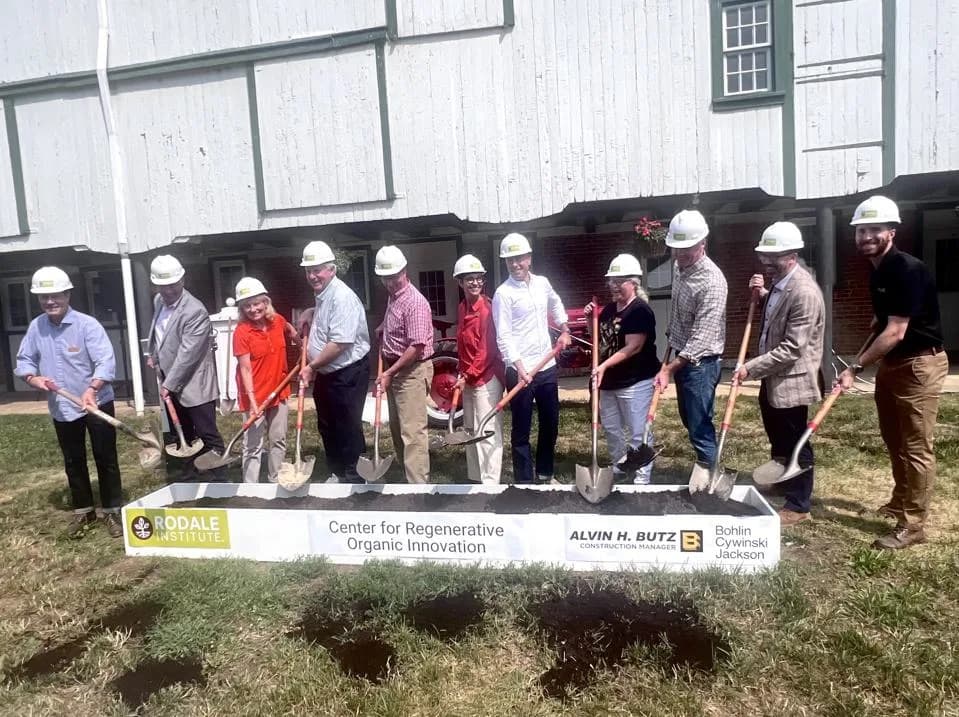
Groundbreaking ceremony at Rodale Institute in Kutztown, Pennsylvaniaphoto by author
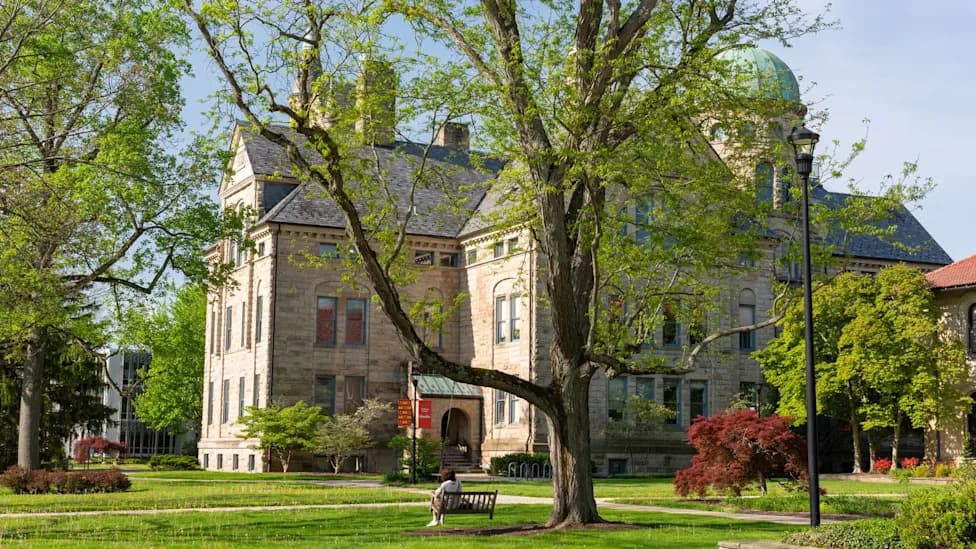
The Rodale Institute — a pioneer in organic and regenerative organic agriculture — has broken ground on a $24 million Center for Regenerative Organic Innovation at its 386-acre campus in Kutztown, Pennsylvania. Scheduled to open in spring 2028, the Center will restore the historic Siegfried Building (an 1819 Pennsylvania Dutch bank barn) and connect the facade to contemporary, sustainable architecture to serve as a global hub for research, training and demonstration.
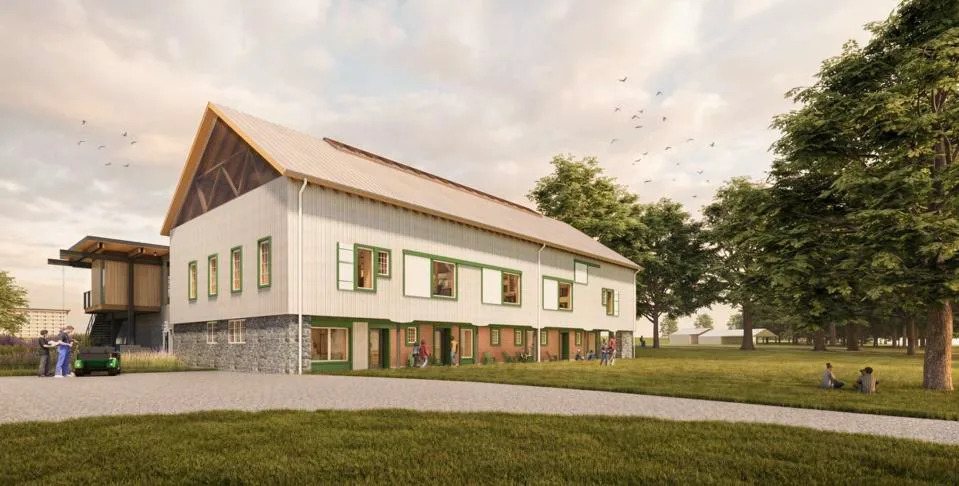
Rendering of Rodale Institute Center for Regenerative Organic InnovationRodale Institute
Mission and Vision
The Center will consolidate Rodale’s decades of science and field experience to advance practical, economically viable solutions for transitioning industrial farmland away from synthetic chemical inputs and toward practices that restore soil health and nutrient density in food. Leaders say the facility will accelerate Rodale’s flagship 10 Million Acre Solution — a $139 million campaign aimed at moving 10 million acres of conventional farmland into regenerative organic systems.
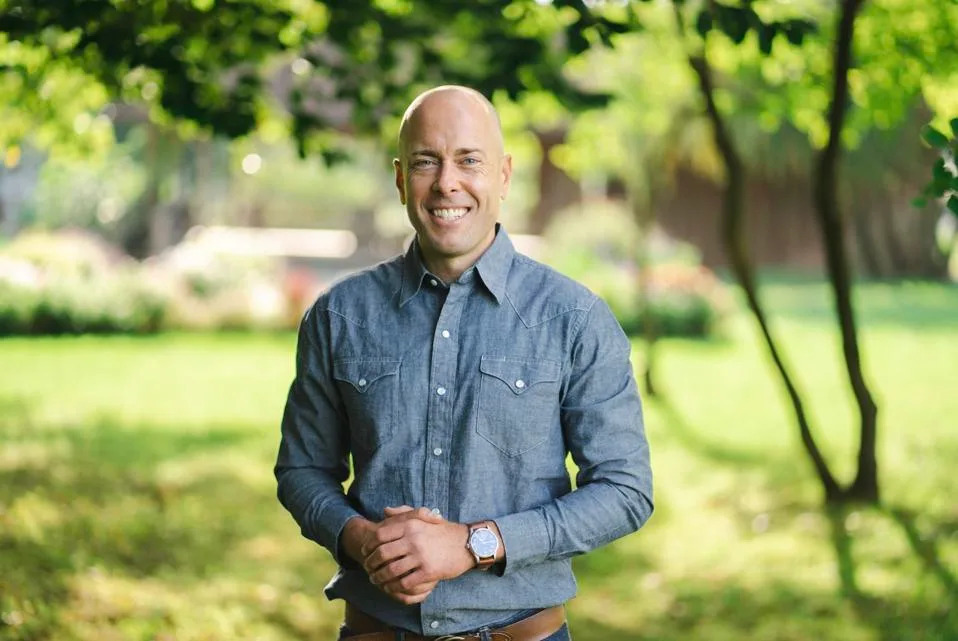
Rodale Institute CEO Jeff TkachRodale Institute
Design and Sustainability Features
The renovated Siegfried Building will combine historic preservation with modern green design. Planned features include geothermal HVAC, rooftop rainwater capture and reuse, full solar power and all‑electric systems with a goal of Net‑Zero energy operation — Rodale’s first building to pursue that standard.
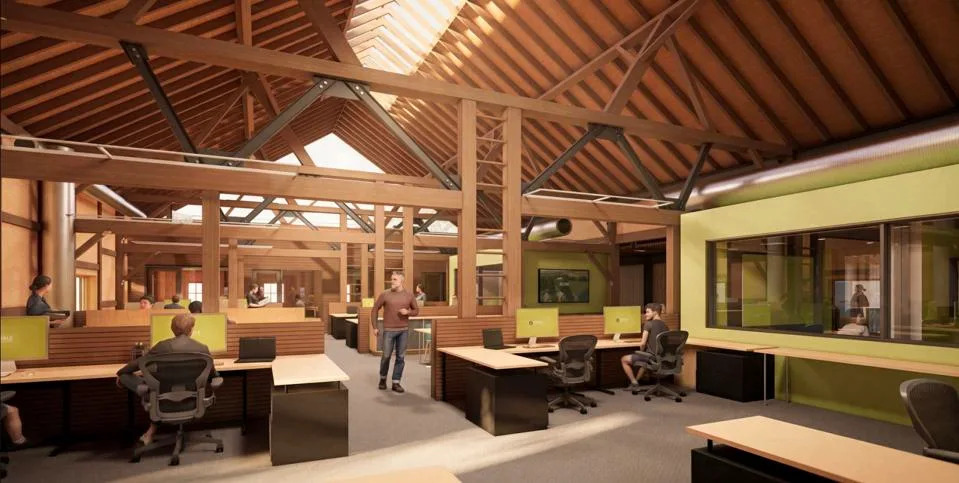
Rendering of Rodale Institute Center for Regenerative Organic InnovationRodale Institute
Research, Training and Impact
Rodale intends to establish ten long‑term research trials (some already underway) that will underpin expanded extension, consulting and training programs. The organization aims to train 100,000 farmers and agricultural professionals by 2030, scale evidence-based regenerative practices, and improve outcomes for soil carbon sequestration, water quality and farm profitability.
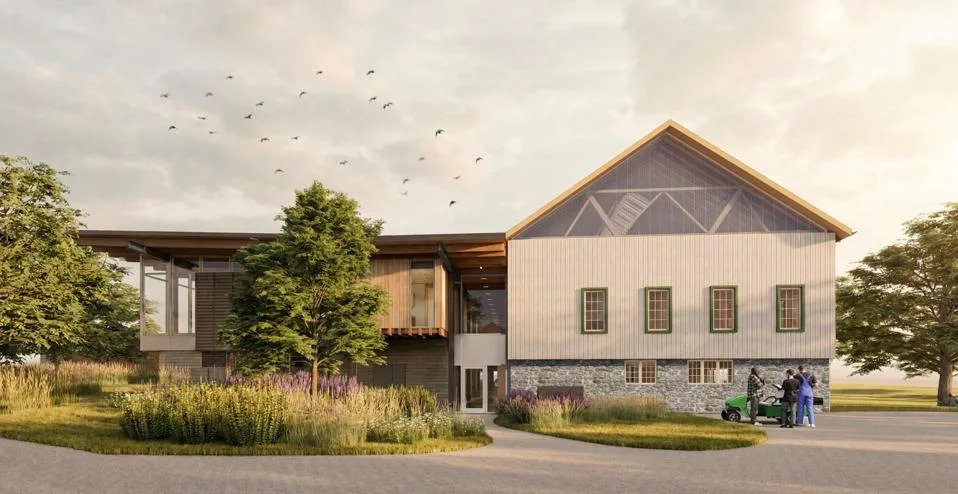
Rendering of Rodale Institute Center for Regenerative Organic InnovationRodale Institute
"It's a historic moment for Rodale's mission," said Jeff Tkach, Rodale Institute CEO. "This renovation is the first phase of a multi‑phased infrastructure plan to prepare our campus for the next decades of work."
Community, Funding and Partnerships
The Commonwealth of Pennsylvania has committed $4 million to the project; Rodale is seeking approximately $10 million more in contributions to complete the Center. Local and national partners — including the Regenerative Organic Alliance, which Rodale helped found with Dr. Bronner's and Patagonia in 2017 — are expected to collaborate on research, certification and training efforts.
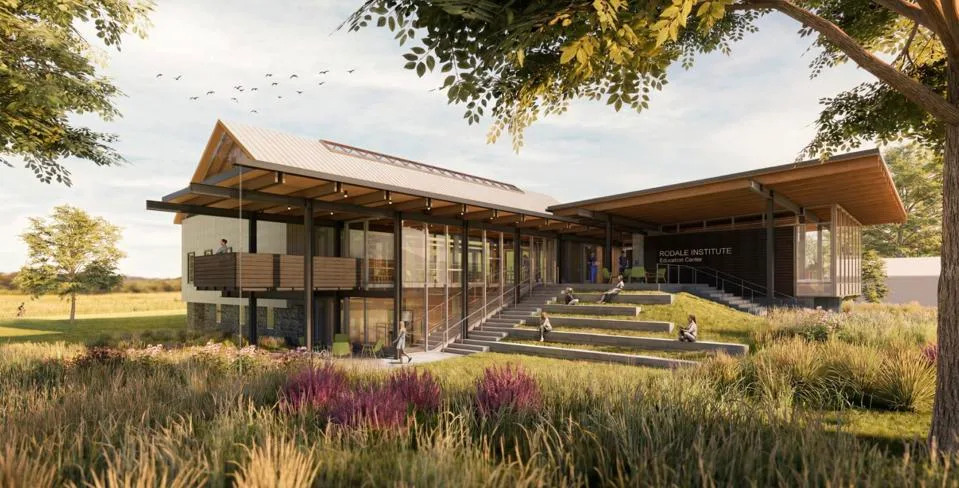
Rendering of Rodale Institute Center for Regenerative Organic InnovationRodale Institute
State and regional leaders welcomed the groundbreaking. Pennsylvania Secretary of Agriculture Russell Redding called it "a commitment to the people, to the farmers, to the researchers, educators and the next generation." State Senator Judy Schwank, whose career in horticulture was inspired by Rodale, described the project as a "full circle" moment for the district.
Why It Matters
The Center aims to address systemic challenges in agriculture: an aging farm workforce (USDA cites the average U.S. farmer at 58 years old), the need for new training pathways for veterans, students and career‑changers, and the demand for regenerative systems that are both resilient and economically viable. Rodale leaders frame regenerative organic farming as a scalable solution to restore soil, improve human health and strengthen rural economies.
By pairing restored historic architecture with cutting‑edge research, the Center for Regenerative Organic Innovation seeks to be both a symbol and a working demonstration of how farming can regenerate land, communities and food systems.
Attribution: This article is based on reporting originally published on Forbes.com and updated for clarity and readability.
Help us improve.