The University of Chicago is creating the Trott Center for Excellence in Rural America after a $100 million lead gift from Byron and Tina Trott, matched by $100 million from the university and with a planned $100 million from other donors for a $300 million initiative. The center will expand outreach, advising, financial aid, mentorship and career services to help rural and small-town students attend and graduate from top colleges. The gift also grows the STARS College Network and builds on Trott’s prior investments, including rootEd Alliance and the Emerging Rural Leaders program.
University of Chicago Launches Trott Center for Excellence in Rural America Following $100M Lead Gift
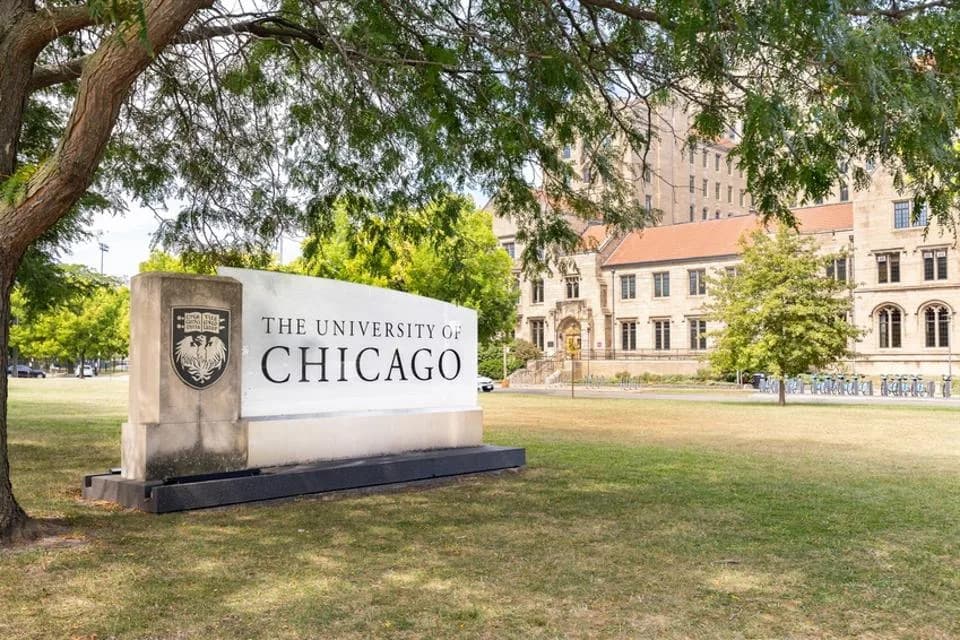
A lead gift of $100 million from Byron and Tina Trott is establishing the Trott Center for Excellence in Rural America at the University of Chicago.getty
The University of Chicago is launching the Trott Center for Excellence in Rural America after a $100 million lead gift from Byron and Tina Trott’s Trott Family Philanthropies. The center aims to expand access to elite higher education and career pathways for students from rural and small-town communities.
A $300 Million Initiative
Trott Family Philanthropies provided a $100 million lead donation. The university has committed an additional $100 million and will seek a further $100 million from outside donors, targeting $300 million in total support for the initiative.
What the Trott Center Will Do
The Trott Center will combine outreach, advising, financial aid and sustained campus and career supports. Key programs and services include:
- Early outreach, advising and academic preparation to identify and prepare promising rural students.
- Financial aid and targeted supports to reduce cost barriers for students from small towns and rural areas.
- Academic services, mentorship and leadership development to help students thrive on campus.
- Career preparation, internships and professional networking to strengthen post-graduate outcomes.
- Ongoing support through graduation and into early career stages.
Strengthening the STARS College Network
The gift will also expand the STARS College Network, a consortium headquartered at the University of Chicago that partners with colleges and universities to help students from small towns and rural America enroll in and complete college. The network currently includes 32 member institutions, and eight more are expected to join soon.
Byron Trott's Personal Connection and Track Record
Byron Trott—who grew up in Union, Missouri—has a personal understanding of rural communities. His father worked as a telephone line repairman and his mother worked as a secretary before opening a clothing store. Trott attended the University of Chicago on a combination of work-study, scholarships and loans, earning his undergraduate degree in 1981 and an MBA in 1982.
He is a former vice chair of investment banking at Goldman Sachs and is now chairman and co-CEO of BDT & MSD Partners. Trott serves on the University of Chicago’s Board of Trustees and has spent years advocating for improved educational pathways for rural students.
Related Programs and Prior Investments
Trott founded the rootEd Alliance in 2018, which places career advisors in rural high schools. This academic year, rootEd’s advisors support 340 rural schools across six states and have reached more than 100,000 students to date. In 2019, Trott helped establish the University of Chicago’s Emerging Rural Leaders program, which brings students from small towns to campus each summer for classes and college-application workshops.
Trott Family Philanthropies also helped launch the STARS College Network with a $20 million investment in 2023 and added $50 million in 2024, accelerating the network’s growth to its current membership. The Trotts joined The Giving Pledge in January 2021.
"There is extraordinary undiscovered talent in rural America," Byron Trott said. "The Trott Center is about taking lessons we've learned over the last eight years and giving more young people the chance to reach their full potential with a world-class education and career opportunities."
The Trott Center represents a major, sustained investment in widening access to selective higher education for rural and small-town students and strengthening the pipeline from high school to college and into careers.
Help us improve.