Australia's surge in home batteries helped blunt post‑crisis price spikes by reducing reliance on gas generation during evening peaks. Experts now see smart electric hot water — especially heat pump water heaters — as a major, low‑cost flexibility resource that can cut household running costs by up to 72% versus gas and reduce emissions. UTS researchers estimate efficient electric water heaters could deliver storage comparable to roughly 2 million home batteries, soaking up midday solar and easing evening demand. Stronger standards, smarter controls and targeted incentives could accelerate adoption.
After the Battery Boom, Smart Hot Water Could Be Australia’s Next Big Energy Saver
Photo Credit: iStock
Australia’s rapid household battery rollout helped blunt the electricity price spikes many feared after the conflict in Iran. Now researchers and industry are pointing to a less visible but highly promising resource in homes: smart electric hot water systems. Upgrading and smartening hot water can cut household bills, reduce emissions and provide large-scale flexibility to the grid.
Battery Boom Helped Curb Price Pressure
Over the 18 months ending in June, Australia installed more than 450,000 home batteries and several large-scale storage projects. Reporting by The Conversation credits that capacity with reducing reliance on costly gas-fired generation during evening peaks, which helped limit wholesale price spikes and eased upward pressure on household bills.
Hot Water: An Untapped Grid Resource
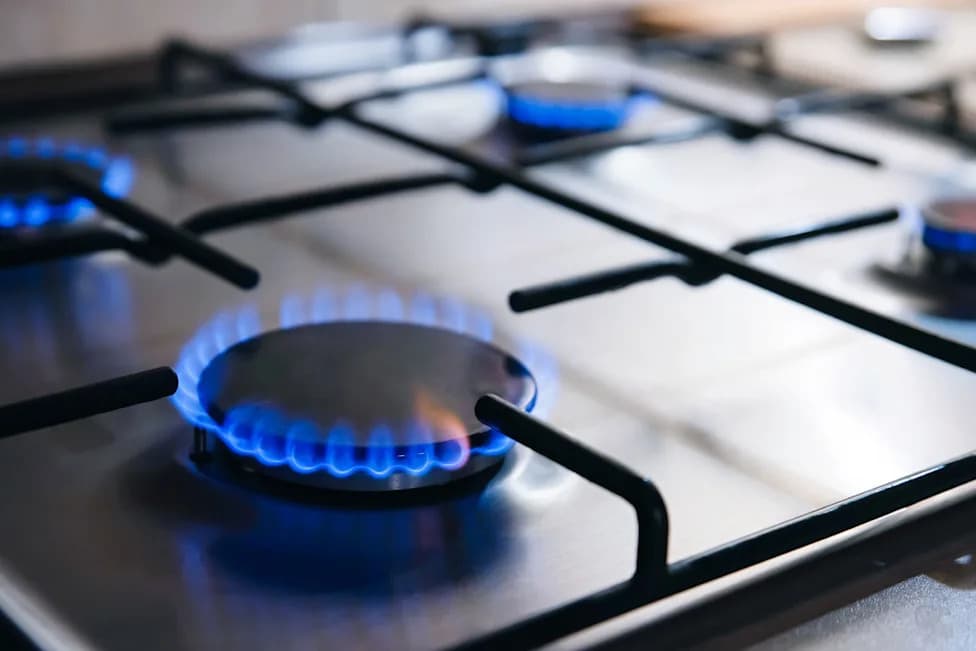
Researchers argue the next major opportunity for system flexibility may be in the laundry or garage rather than on a wall-mounted battery. Heating water accounts for roughly 25% of a typical Australian home's carbon emissions when using gas. Replacing gas water heaters with efficient heat pump models can sharply cut both emissions and running costs.
Big Savings For Households
The financial case is strong: families paying around A$1,000 or more per year for gas hot water could save hundreds of dollars annually by switching to a heat pump water heater, which can reduce running costs by up to 72% versus gas. Water heating is often one of the largest household energy uses, but it only becomes obvious when a system fails.
Scale And Grid Benefits
A conventional electric storage water heater for a four-person home uses about 13 kWh per day — roughly the same order of stored energy as some residential batteries. Around 40% of Australian households still use gas for water heating and remain exposed to fossil fuel price swings. University of Technology Sydney (UTS) researchers estimate that high-efficiency electric hot water systems could provide storage capacity comparable to about 2 million home batteries. Because water heaters are already present in most homes, they can soak up cheap midday solar energy and shift that value to evening demand by delivering hot water when it’s needed.
How Smart Hot Water Systems Work
Smart heat pump water heaters and retrofitted timers or controllers allow households to heat water at the lowest-price windows — for example, during midday solar peaks — and avoid heating during expensive evening periods. Companies such as Cala are developing systems that coordinate heating cycles with a household’s routine and wholesale price signals to reduce waste while keeping hot water available on demand.
Policy, Market Pathways And Practical Steps
Uptake of rooftop solar and batteries was aided by subsidies and evolving standards; a similar mix of policy levers, consumer education and incentives could accelerate hot water upgrades. Low-cost first steps include adding timers or smart controls to existing electric water heaters, adopting minimum efficiency standards, and providing targeted rebates for heat pump installations.
What Homeowners Should Know
If you’re considering an upgrade: compare running-cost savings (not just purchase price), check for suitable incentives, consider smart controls or an integrated home energy system, and size the unit for your household’s hot water needs. Smart hot water represents a practical, high-impact way for households to save money and for the grid to gain flexible, distributed storage.
Help us improve.