The Competition and Markets Authority has recommended strengthening protections for about 1.5 million UK households that depend on heating oil after retail prices spiked following conflict in February. While wholesale costs explain much of the rise, the CMA found gaps in consumer safeguards — including limited access to alternative dispute resolution and unclear rules on price quotes and cancellations. It says around 1,700 customers should be reimbursed for extra costs after cancelled orders, and the regulator may take legal action against suppliers that refuse compensation.
Rural Households Back Call For Stronger Protections After Heating Oil Price Spike
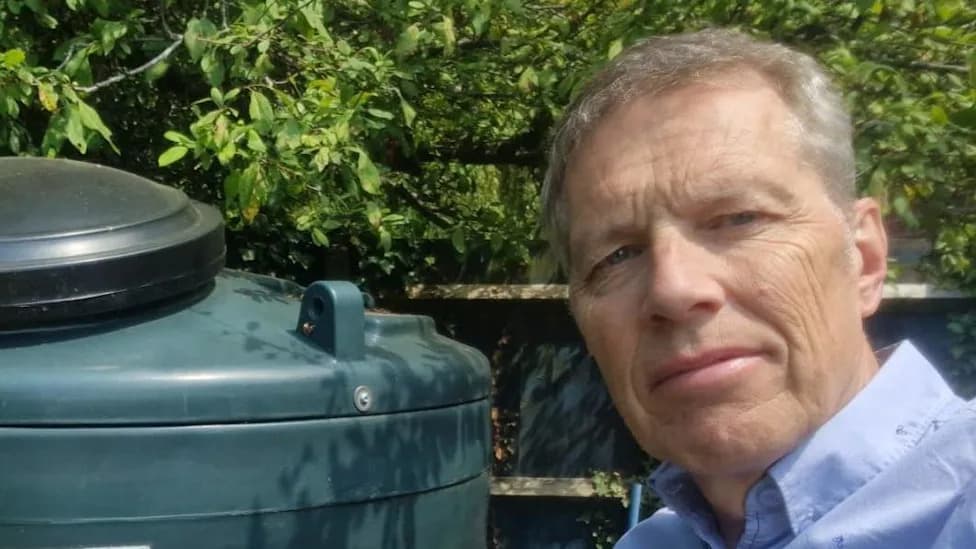
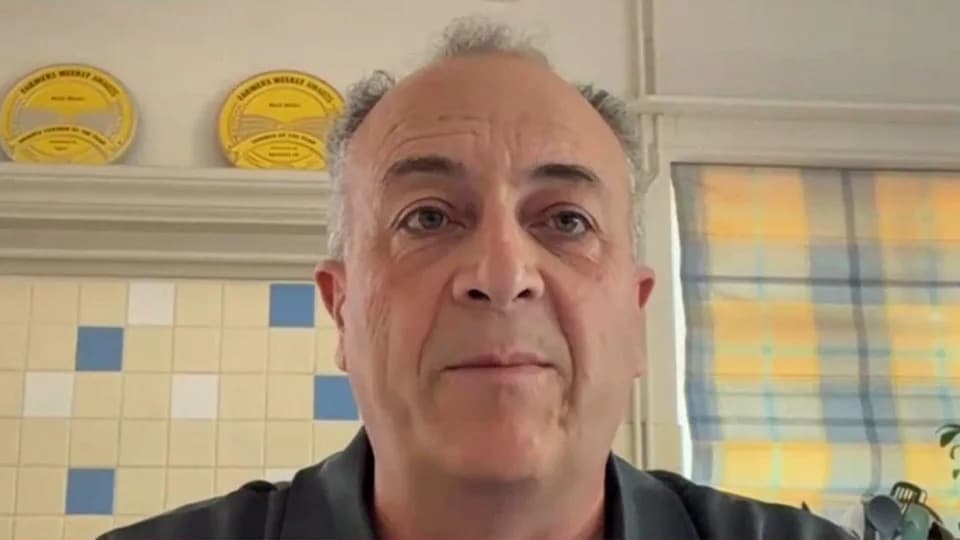
Nick Weaver's fuel supplier only delivered half of his order follwing the Middle East conflict, he said. [Nick Weaver]
Families in rural parts of the West Midlands have welcomed a Competition and Markets Authority (CMA) recommendation to extend consumer protections for heating oil customers to the standard enjoyed by households on the mains gas network.
Why The Change Is Recommended
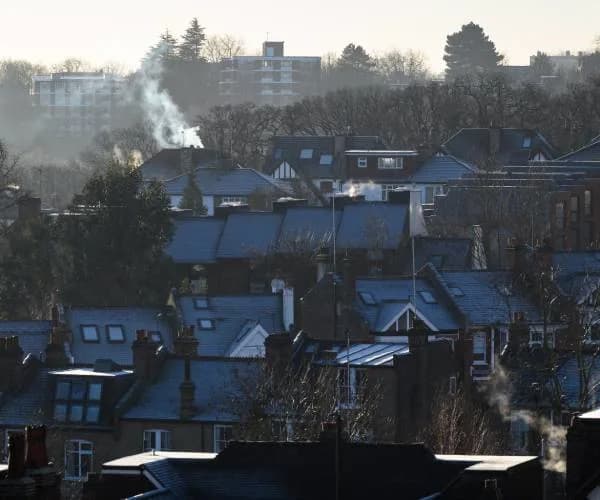
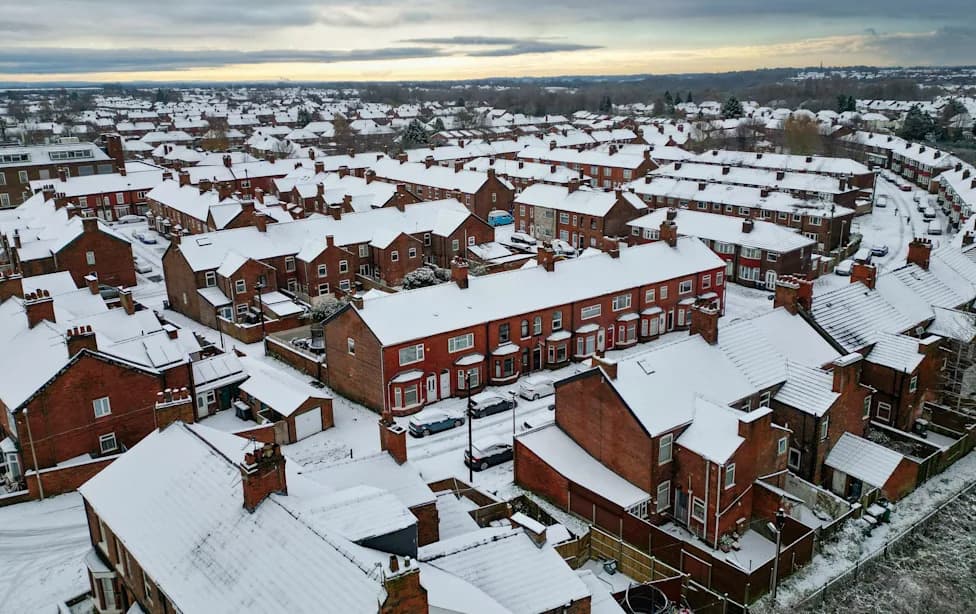
The CMA said in a report published on Wednesday that around 1.5 million households that rely on heating oil need stronger safeguards after retail prices surged following the outbreak of conflict in the Middle East in February. Average retail prices peaked roughly 92% above typical levels, driven largely by rises in wholesale costs.
Local Experiences
Residents in remote communities described the impact of the price surge and inconsistent supplier behaviour. Jemma McCarron of Hanley Swan, Worcestershire, said she felt powerless as prices climbed:
"If the prices are sky high because of things totally beyond your control, there's nothing you can do about that."
Nick Weaver of Claverdon, Warwickshire, told of receiving only half of a 1,000-litre order he had already paid for. The supplier initially offered a refund for the missing fuel and then proposed selling the remaining 500 litres two days later for an additional £1,000. After writing to the company's directors he secured delivery of the missing oil at the originally agreed price and has since shared his experience online to warn neighbours.
CMA Findings And Recommendations
Although the regulator found that much of the price rise reflected higher wholesale costs, it identified "clear gaps" in consumer protections. Key shortcomings include limited access to alternative dispute resolution (ADR), inconsistent rules on price quotes and unclear handling of cancellations.
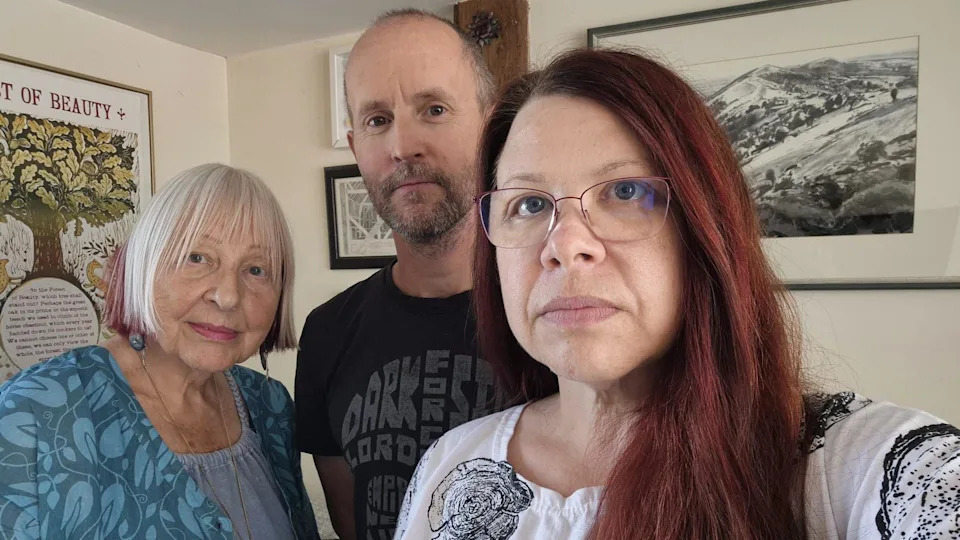
Jemma McCarron's family have taken steps to keep their oil consumption down due to uncertainty over prices [Jemma McCarron]
The CMA recommends:
- Clearer rules on how prices are quoted to customers
- Stronger protections for cancellations and contract fulfilment
- Improved ADR access and specific support for vulnerable consumers
- Refunds for customers who paid more after their orders were cancelled
The report notes that around 1,700 customers whose orders were cancelled after the February conflict should be reimbursed for any extra costs they incurred. While several suppliers have agreed to compensate affected households, the CMA said it is considering legal action against companies that have refused to provide redress.
Political Response And Longer-Term Solutions
Chancellor Rachel Reeves said: "It is reassuring to know it is a competitive market but the lack of protection for these households does concern me so we will look very seriously at what can be done."
Many residents welcome stronger legal protections but also want government support to reduce dependence on oil. McCarron said her household was fortunate to buy 2,000 litres for £1,200 just before the spike, which will last them until autumn. She and others are exploring renewable options such as solar panels but report little practical support for switching away from heating oil.
What This Means: The CMA's proposals aim to give rural heating oil customers the same basic consumer rights as those on the gas network — clearer pricing, better dispute routes and fair treatment when suppliers cancel or underdeliver. If adopted, the reforms would offer immediate consumer protection improvements and encourage longer-term moves toward lower-carbon heating alternatives.
Help us improve.