Thousands of New Zealand households on 20-year SolarZero leases say promised savings evaporated after the company entered liquidation in late 2024. About 15,000 contracts are now run by Verofi/SZ Servicing, and many customers report rising import rates, hefty exit quotes and trouble selling homes tied to the deals. Utilities Disputes recorded 440 solar-related complaints (up 105%), and regulators and politicians are pushing for clearer consumer protections and greater system ownership.
SolarZero Fallout: 15,000 New Zealand Households Hit With Higher Bills And Hefty Exit Fees
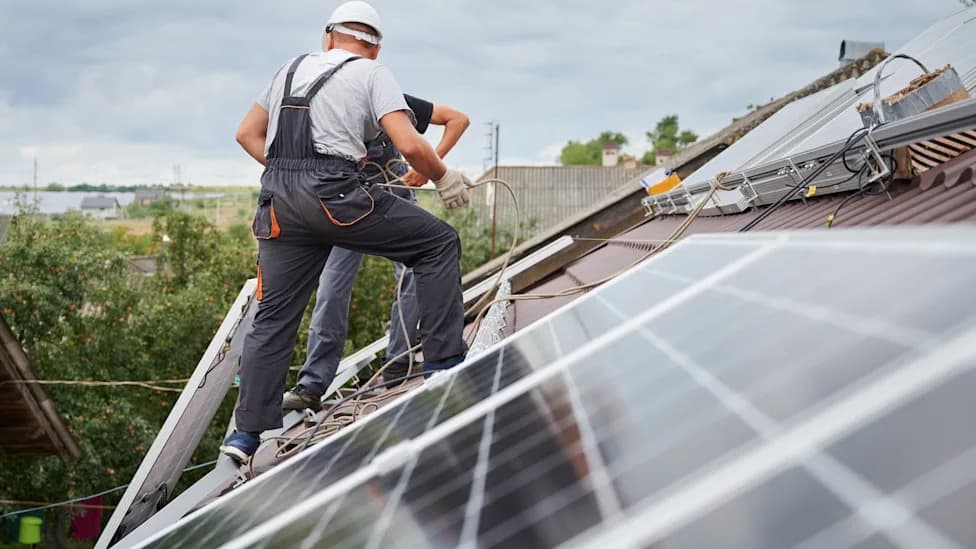
Photo Credit: iStock
Thousands of New Zealand households that signed 20-year SolarZero leases now say the deals have become far more expensive than they expected after the company went into liquidation in late 2024. Roughly 15,000 contracts are now administered by Verofi through SZ Servicing.
What happened
SolarZero offered long-term subscription-style solar agreements that promised lower power bills. Customers report that electricity import rates have risen while monthly lease charges have continued, eroding or eliminating the expected financial benefits.
Customer experiences
Several households describe dramatic changes to their bills and contract terms. One customer said:
"My original price per kilowatt was 8c and 15c, but now it's 26c and 15c [import and export] and I get a power bill every month in winter." — Mark Wellington
Another described a switch to time-of-use pricing three years into the agreement that produced "an overnight 225% increase at the peak-time rate," along with a persistent monthly fee: "I also pay a monthly fee of $160 plus GST before I even use any power."
Other customers report exit quotes of thousands of dollars and difficulty selling homes encumbered by SolarZero contracts, turning what was sold as an investment in cheaper power into a liability for some owners.
Complaints and regulatory response
Utilities Disputes reported that SolarZero accounted for 20.8% of accepted deadlocked complaints in the year ending March 31, despite representing roughly 0.5% of the market. Overall solar-related complaints rose to 440 cases — up 105% from the previous year.
Commissioner Neil Mallon has been forwarding decisions to regulatory bodies to highlight systemic concerns, and Utilities Disputes is preparing general guidance for consumers on long-term subscription models for solar.
Political and policy reaction
The political conversation in New Zealand is shifting toward encouraging outright ownership of solar equipment rather than long leases. Labour's SolarSaver proposal, influenced in part by the SolarZero experience, aims to make it easier for households to own their systems through loan or purchase options.
Practical steps for consumers
- Carefully review your contract terms and any property encumbrances before selling a home.
- Contact Utilities Disputes or a consumer advocacy service if your complaint is unresolved with the provider.
- Seek independent legal or financial advice before attempting to exit a lease or transfer a property with an attached contract.
- Keep records of all bills, exit quotes and communications with the provider.
Rooftop solar can still reduce emissions and energy bills when consumers have clear ownership options and transparent terms. The SolarZero case underscores the need for stronger consumer protections, clearer contract terms and better oversight of long-term solar subscription models.
Help us improve.