The bankruptcy of installer Freedom Forever has left some solar customers with manufacturer-backed parts warranties but no installer available for on-site labor. Manufacturer warranties typically cover panels and inverters (commonly 25 years) but rarely pay for the cost of removal, installation or diagnostic service. Homeowners should gather contracts and serial numbers, confirm coverage with manufacturers, and consider hiring a local installer for paid repairs or a maintenance contract. Prospective buyers should vet installers for longevity and service capability, not just price.
Freedom Forever Bankruptcy Leaves Solar Customers With Parts Coverage — But No One To Do Repairs

Photo Credit: iStock
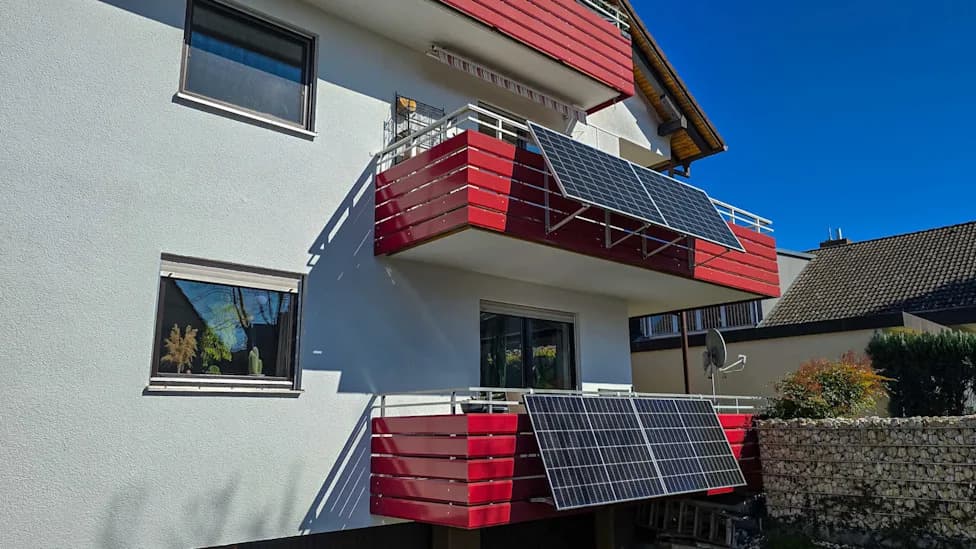
Homeowners who recently had solar systems installed by Freedom Forever now face an uncertain service future after the company entered bankruptcy. While equipment manufacturers typically continue to honor hardware warranties, the installer that sold and mounted the system may no longer be available to perform on-site repairs or labor-intensive replacements.
The distinction matters: manufacturer warranties generally cover defective panels, inverters and other components, but they rarely pay for the labor required to remove, replace or reinstall parts on a roof. That labor — time, travel and licensed technician work — is usually provided by the installer or a contracted service partner.
“Your hardware components - panels, inverters, etc will have their 25 year warranties honored by the manufacturers,” one commenter wrote, adding: “That's time and labor, which is not covered by the 25 year hardware warranty.”
In practical terms, a faulty inverter or a cracked panel may be covered for replacement by the manufacturer, but homeowners could still receive bills for the physical work needed to install the replacement. A poster on Reddit described customers in this situation as “solar orphans,” reflecting how service gaps can leave system owners on their own.
What Homeowners Should Do Now
- Gather documentation: Collect contracts, equipment model and serial numbers, monitoring login information, photos of the installation, and any written warranty or service terms.
- Contact manufacturers: Confirm exactly what their warranties cover (parts, shipping, and any standard labor reimbursements) and learn the process for making claims.
- Ask about warranty survivability: Check whether any workmanship or service warranty can survive a bankruptcy or transfer with a debt sale — outcomes vary by case and jurisdiction.
- Shop for local service: Reach out to reputable local solar installers or independent electricians to request quotes for repairs or ongoing maintenance contracts for an “orphaned” system.
- Monitor performance closely: Watch system output and alerts so problems are detected early and downtime (and higher utility bills) is minimized.
How to Avoid Becoming A Solar Orphan
When choosing an installer, price matters — but longevity, service model and reputation matter more for long-term ownership. Ask potential installers how they handle service requests, who pays for labor during the warranty period, whether they subcontract work, and how long they have been in business. Read reviews, check complaint records, and prefer companies with established local service networks.
Despite the bankruptcy news, some homeowners still report savings on energy costs. But the less visible burdens of solar ownership — maintenance, repair logistics and fine print on service responsibility — are likely to surface if a provider disappears. Taking steps now can reduce uncertainty and limit out-of-pocket expenses if repairs are needed.
Help us improve.