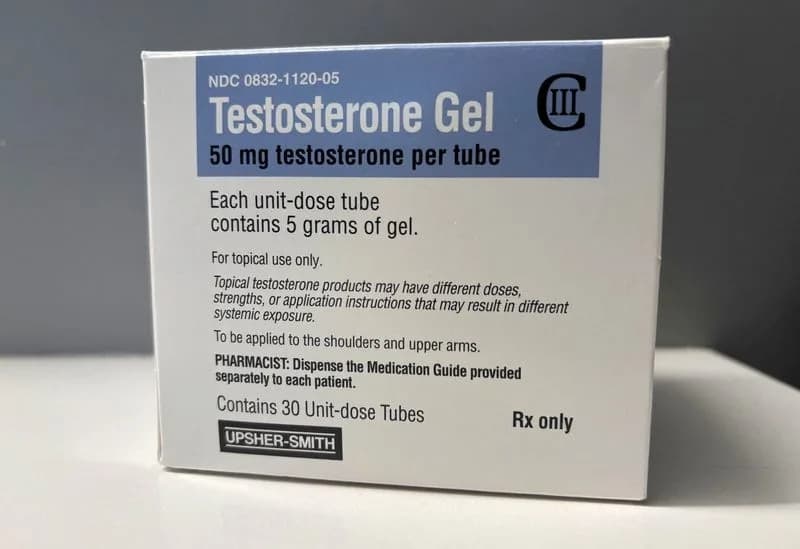
The Pentagon plans to screen male service members 30+ for low testosterone and may offer replacement therapy. Experts say testosterone levels fluctuate daily and can be suppressed by sleep loss, heavy training or stress, so single tests are unreliable. Unnecessary treatment can suppress natural hormone production, reduce fertility and cause withdrawal symptoms; targeted, symptom-driven care and proper testing protocols are recommended instead.
Pentagon's 'High‑T' Screening Plan Misreads Testosterone Science — Risks And Missteps

Pete Hegseth walks onstage before the NASCAR Cup Series Anduril 250 in San Diego, California, on June 21, 2026.
The Pentagon has announced a plan to screen male service members aged 30 and older for testosterone deficiency and to offer testosterone replacement therapy to those who test low. While the stated goal is to optimize combat readiness, medical experts warn the policy oversimplifies complex endocrinology and risks causing harm when applied as a broad, routine screen.
Why Testosterone Is More Complicated Than A Single Number
Testosterone Is A Normal Hormone In Everyone: Typical levels are higher in most men than most women, but there is no single universal "normal" value. Testosterone peaks in the early morning and declines through the day; levels can vary by as much as 50% in younger men and may show seasonal shifts. Endocrinologists recommend measuring testosterone at least twice on different mornings (ideally between 7 a.m. and 10 a.m., fasting) to establish a reliable baseline.
What This Means: A one-off test during a routine physical can produce misleading results. Accurate screening requires multiple tests under specific conditions.
Common Military Conditions Can Temporarily Lower Testosterone
Sleep deprivation, extreme physical exertion, caloric restriction, severe stress, acute illness, excessive alcohol and some medications can all suppress testosterone temporarily. Studies of Army Rangers found declines of up to 28% after sleep-deprived operations and dramatic drops during the two-month Ranger School that returned to baseline weeks later.
What This Means: Low readings in actively training troops may reflect temporary strain rather than chronic hypogonadism.
No Medical Case For "High T" In Healthy Men
There is a recognized diagnosis of low testosterone (hypogonadism) when low blood levels align with consistent symptoms. There is no medical diagnosis of "high T" for otherwise healthy men — raising testosterone above an individual’s healthy range does not reliably boost strength, energy or masculinity. Excess testosterone can convert to estrogen and cause side effects such as gynecomastia or fertility problems.
Risks Of Unnecessary Testosterone Replacement Therapy
Exogenous testosterone suppresses the brain’s signaling to the testes, which can cause testicular shrinkage and reduced sperm production. Long-term therapy can lead to sustained suppression requiring prolonged treatment; abrupt cessation may cause fatigue, muscle loss, depressed mood and cognitive difficulties. In operational settings, interruption of therapy could produce incapacitating symptoms.
Who Is Most At Risk — And Smarter Policy Alternatives
Active-duty service members skew young (average recruit age ~22). Testosterone typically declines about 1% per year beginning around age 30–40, so clinically significant low testosterone is more likely to emerge later in life. A targeted approach — screening symptomatic individuals, following endocrinology guidelines (multiple morning tests, assessment of symptoms), and focusing post‑service care for retirees — would better protect health without turning a complex hormone into a political or cultural symbol.
Bottom Line: Routine, one-time screening and broad offers of replacement therapy risk misdiagnosis and harm. Medical decisions about testosterone should follow established diagnostic standards and be based on symptoms, not cultural notions of masculinity.
Help us improve.