An outbreak of Legionnaires' disease in New York has sickened 63 people and led to orders for 76 Upper East Side buildings, including the Metropolitan Museum of Art, to disinfect cooling towers. Cooling towers can harbor Legionella bacteria that spread through contaminated water droplets; routine tests may not confirm whether bacteria are alive. While no deaths have been reported, a dozen patients are hospitalized; people over 50 and those with chronic conditions are at greater risk. There is no vaccine, but Legionnaires' disease is treatable with antibiotics and early treatment improves outcomes.
Legionnaires' Outbreak in New York Forces The Met and 75 Other Buildings to Clean Cooling Towers
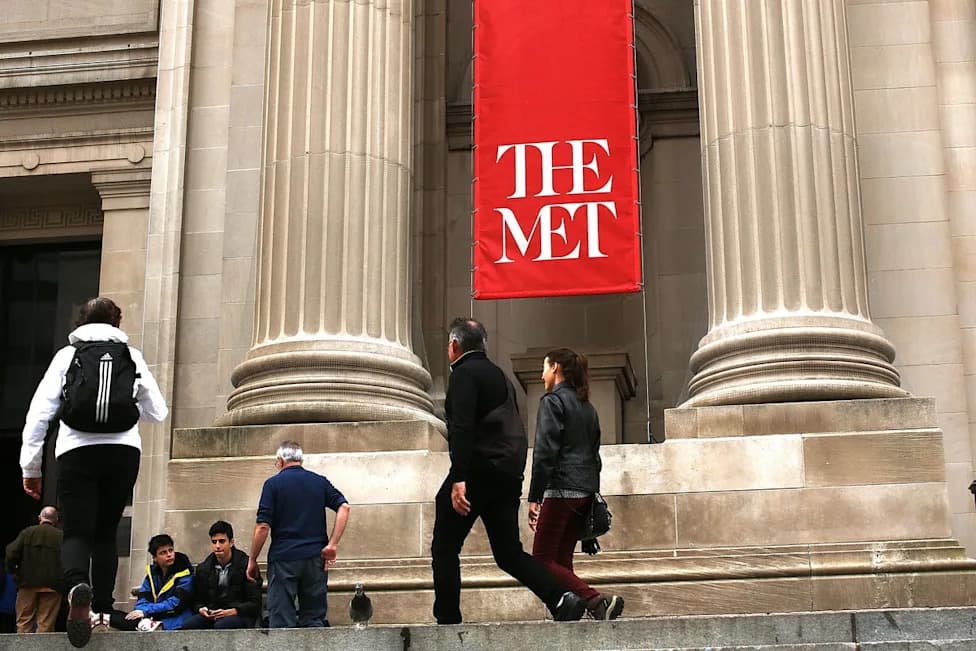
Legionnaire’s disease is spreading through New York — and now impacting a world-famous museum
An outbreak of Legionnaires' disease that has sickened 63 people across New York has prompted city health officials to order 76 Upper East Side buildings, including the Metropolitan Museum of Art, to disinfect their cooling towers.
The Metropolitan Museum of Art — which can welcome more than 33,000 visitors on a single day — temporarily paused activities on a Wednesday to allow cleaning and testing. A Met spokesperson told The Associated Press that the museum is conducting the required disinfection and testing and that visitors and staff are not believed to be at risk.
Why Cooling Towers Matter
Cooling towers are rooftop systems used to remove heat from water. They can create warm, wet environments where the Legionella bacteria can multiply. The bacteria can spread when people inhale contaminated water droplets (aerosols) — for example, the mist sometimes produced by cooling towers — though ingestion is a less common route of infection.
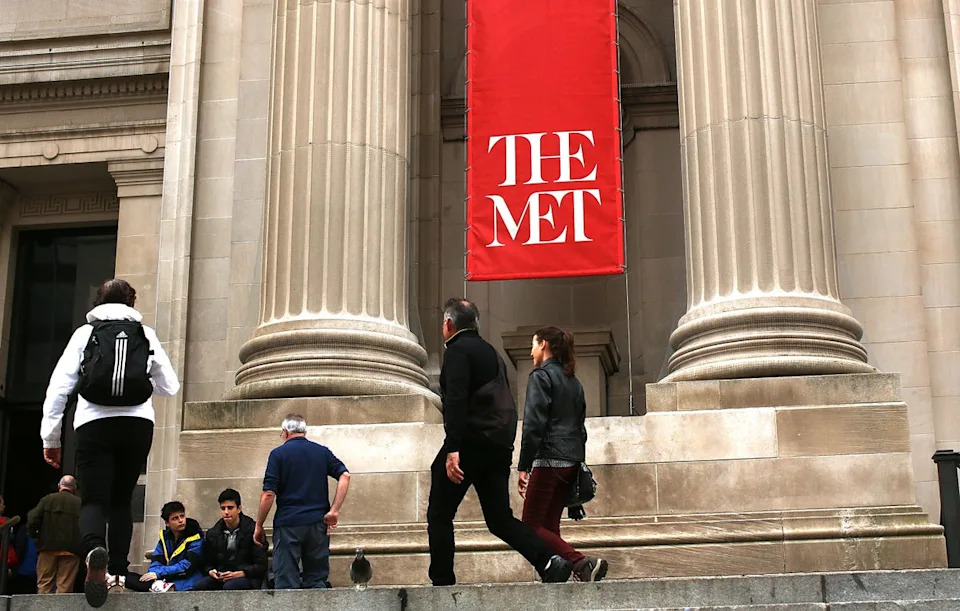
New York City's Metropolitan Museum of Art is one of dozens of Upper East Side buildings told to take action to clean cooling towers amid the city's outbreak of deadly Legionnaires' disease. The form of pneumonia has sent dozens of New Yorkers to the hospital this summer (Getty Images)
Investigation and Testing
New York City health officials are investigating the source of the outbreak but have not identified a single confirmed source. Routine environmental tests detect Legionella DNA but often cannot distinguish whether the bacteria are alive or dead; only live bacteria can cause illness. The health department says laboratory results can take up to two weeks to return.
City law requires building owners to test cooling towers for Legionella every 31 days, WABC reports, and officials have ordered disinfecting actions for the affected buildings while the investigation continues.
Cases, Symptoms, and Risk
So far there have been no deaths linked to this outbreak. According to city data released Tuesday, a dozen patients remain hospitalized, 40 people have been discharged, and 11 were never hospitalized. A city chart tracking the outbreak showed a spike in diagnoses during the first days of the month.
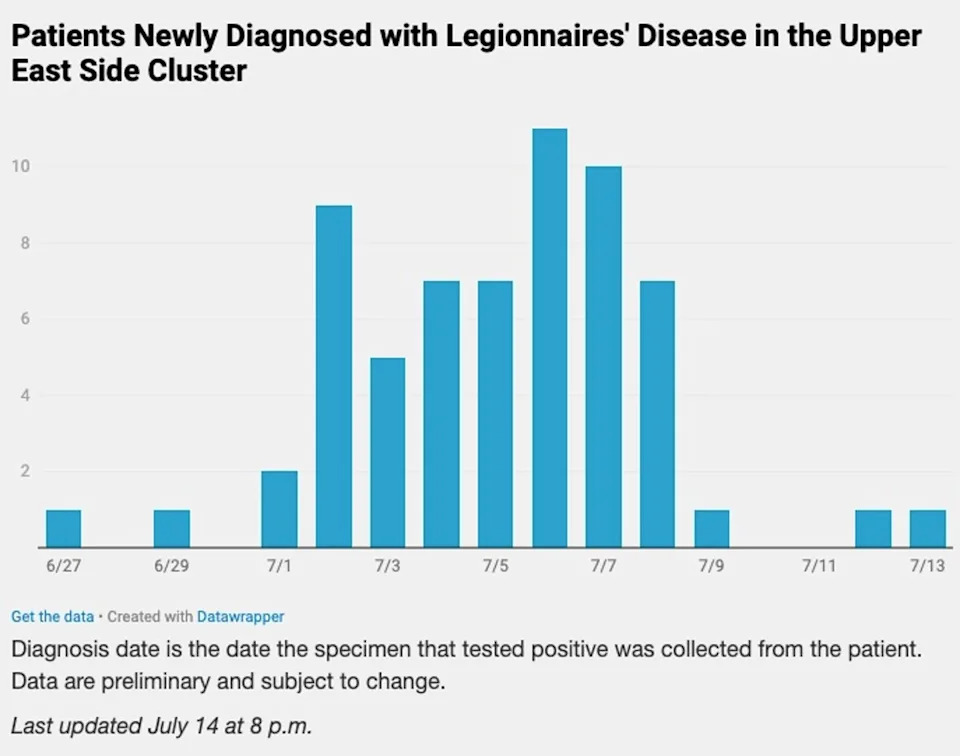
This New York City Health Department chart shows the number of patients that have been diagnosed with Legionnaires' disease on the city's Upper East Side since June. New diagnoses have fallen since last week (NYC Health Department)
Symptoms of Legionnaires' disease resemble pneumonia and can include fever, chills, cough, muscle aches, headaches, fatigue, loss of appetite, confusion and diarrhea. People over 50, current smokers or vapers, and those with underlying conditions such as diabetes or chronic heart, lung, kidney or liver disease face higher risk of severe illness.
Treatment and Outlook
There is no vaccine to prevent Legionnaires' disease. Infections are treated with antibiotics, and most patients recover with timely treatment. The U.S. Centers for Disease Control and Prevention estimates Legionnaires' disease is fatal in about 10% of reported cases.
Guidance for the Public
If you experience symptoms consistent with Legionnaires' disease and have been in areas affected by the outbreak, seek medical care promptly and tell your provider about possible exposure. Building owners should follow city orders to disinfect and retest cooling towers to reduce public health risk.
Help us improve.