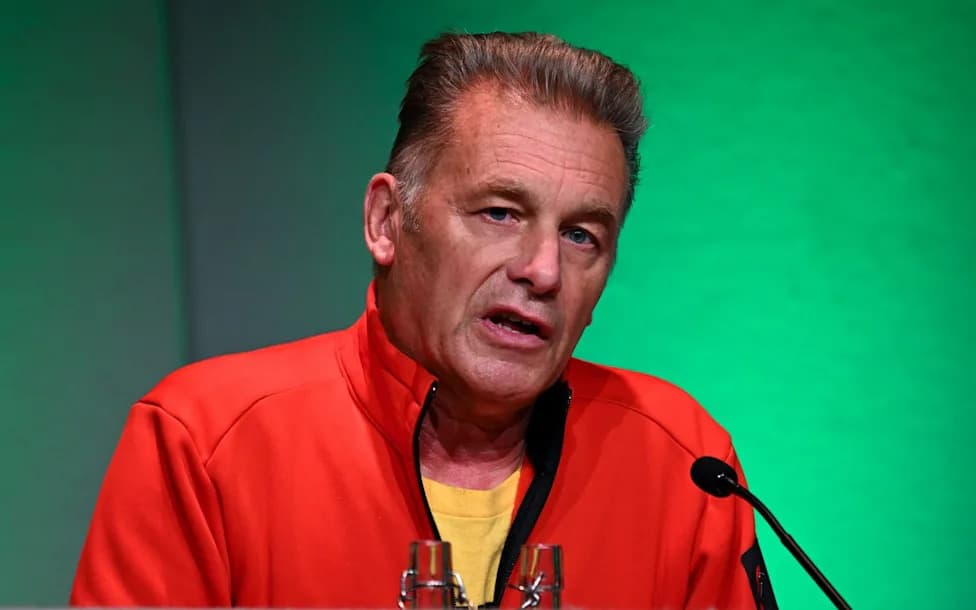
Chris Packham, the BBC presenter and long-standing animal rights campaigner, is launching a high-profile challenge to Burberry, urging the British luxury house to stop using cashmere in its products.
Packham plans to raise the issue at Burberry's annual general meeting (AGM) this week, asking shareholders and the board to "lead the way by banning cashmere" because, he says, its production is "inherently violent."
"Cashmere production is inherently violent. We must do better. I can guarantee that if any Burberry customer saw what these goats go through, they would not purchase their cashmere clothing," Packham told The Telegraph.
He alleges abusive harvesting techniques in Mongolia and the Kashmir region of India — including accounts that goats are forcibly restrained and their undercoat ripped out with combs — and is urging the company to switch to alternative fibres such as bamboo, hemp, soy and other innovative plant-based yarns.
Industry Response And Welfare Context
Burberry, a royal warrant holder, is globally recognised for its cashmere scarves — handwoven by Johnstons of Elgin in Scotland and sold from around £355. Cashmere is prized for its softness and insulating properties and largely comes from the undercoat of the cashmere goat.
Burberry uses cashmere in the production of its scarves - Dan Medhurst
The Sustainable Fibre Alliance (SFA), an organisation Burberry helped found, says cashmere is typically collected during the spring moulting season using handheld combs. The SFA and other industry bodies argue that combing is a vital welfare practice for traditional herders: if moulted undercoat is not removed, goats can suffer severe matting and skin infections. The SFA works to improve welfare standards and protect producers' livelihoods.
Cashmere production is also a major source of income for many families: the World Bank estimates that up to 700,000 people in Mongolia live as herders and that Mongolia is home to more than 23 million goats.
Support, Protest Plans And Wider Implications
Peta has backed Packham's campaign. Yvonne Taylor, Peta's vice-president of corporate projects, said Burberry "ought to show real leadership by replacing cashmere with innovative animal-free fibres." Peta has announced plans for an anti-cashmere demonstration outside Burberry's AGM.
The debate highlights a wider tension affecting luxury brands: balancing animal welfare and environmental concerns with the economic and cultural importance of traditional fibres. Any move by a major luxury label to stop using cashmere could accelerate demand for alternative materials and spur further scrutiny of supply-chain practices.
Shareholder Pressure Over Executive Pay
Separately, Burberry is expected to face shareholder disquiet at the AGM over a proposed pay package for chief executive Joshua Schulman that includes bonuses approaching £4m. Schulman, appointed CEO in July 2024, has overseen a return to profit after a prior £66m loss and a strategic shift back toward "timeless British luxury." However, shareholder advisory groups have questioned whether such a large remuneration package is justified so soon into his tenure.
As the AGM approaches, Burberry finds itself balancing reputational, ethical and financial pressures — from animal-welfare activists demanding product changes to investors scrutinising executive pay.