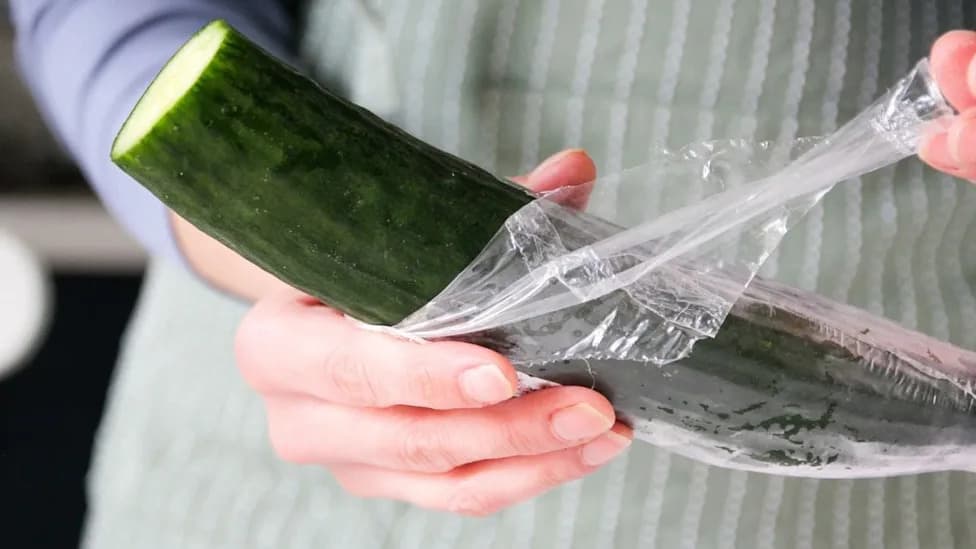
A University of Birmingham study tested 155 beverage samples across 31 drink types and detected microplastics in every one. Hot tea had the highest counts (49–81 particles per liter), with hot coffee next (29–57); iced drinks contained fewer particles, implicating heat in releasing plastics from bags and cup liners. Although long-term health effects remain uncertain, switching to glass or ceramic cups, reusable travel mugs, and plastic-free or loose-leaf tea can reduce likely exposure.
Hot Tea Tops Microplastic Counts — Disposable Cups and Some Tea Bags Add More
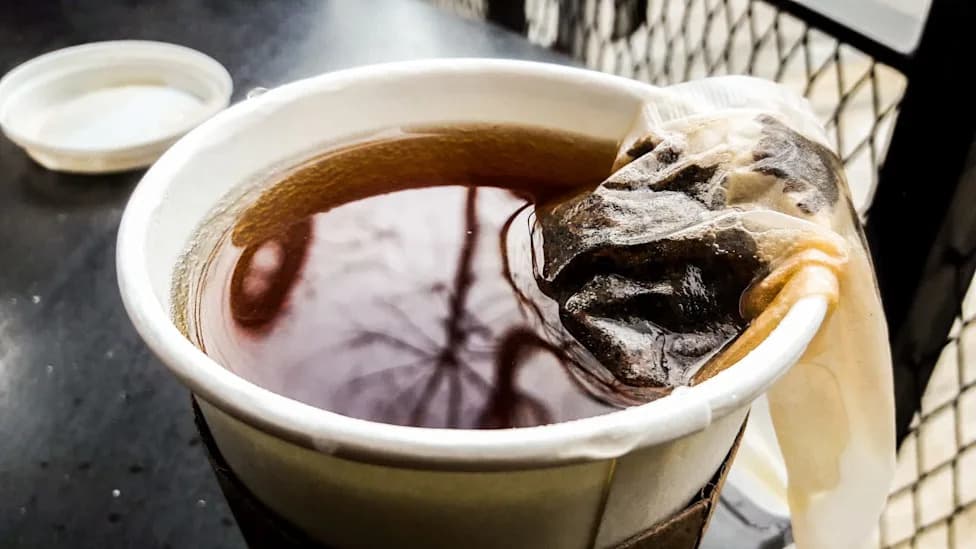
Photo Credit: iStock
A University of Birmingham analysis of 155 beverage samples found microplastics in every drink tested, with hot tea showing the highest concentrations. Samples were collected from grocery stores and cafes across the U.K. and covered 31 beverage types, including hot and iced tea and coffee, juices, sodas, and energy drinks.
Key Findings
Hot tea recorded the highest microplastic counts, ranging from 49 to 81 particles per liter, followed by hot coffee at 29 to 57 particles per liter. Iced versions showed lower counts: iced tea ranged from 24 to 38 particles per liter, and iced coffee from 31 to 43 particles per liter. The study found microplastics in all 155 samples.
What Likely Causes Higher Counts
Temperature appears to be a major factor. Cold versions of the same drinks contained far fewer particles, which suggests hot brewing can release plastic fragments from tea bags, cup liners, or other materials. The research also identified disposable paper cups and certain premium tea bags as notable contributors: tea served in paper cups contained more particles than identical brews served in glass, and some tea bags released particularly high amounts.
Health Implications And Practical Steps
Long-term health effects of ingesting microplastics remain unclear; researchers have not yet established what years of exposure do to the body. The authors did not recommend abandoning hot drinks but noted that current daily intake estimates based solely on drinking water may understate total exposure if hot beverages are a significant source.
Practical steps to reduce likely exposure include using glass or ceramic cups at home, opting for reusable travel mugs for takeaway coffee, and choosing loose-leaf tea or tea bags explicitly labeled plastic-free. Consumers should check packaging carefully, because many bags that look like paper contain plastic in the mesh or seams, a finding supported by a 19-study review published in Food Chemistry.
We found a ubiquitous presence of microplastics in all the cold and hot drinks we looked at, said lead author Mohamed Abdallah. People don’t only drink water during their day; you drink tea, coffee, juices.
This study highlights an often-overlooked source of microplastic exposure and offers simple, low-cost ways to reduce it while research continues into potential health effects.
Help us improve.