The Texas State Board of Education is expected to vote on a proposal to make selected Bible stories and passages required reading for about five million K–12 students. The plan would remove a "World Cultures" course, set grade-level Bible readings, and limit classroom use to specified translations. Critics say the move may violate church‑state separation, risk alienating non-Christian or nonreligious students, and complicate opt-outs; supporters call it a restoration of religious and cultural heritage.
Texas Board Set To Vote On Making Bible Required Reading For 5 Million Students
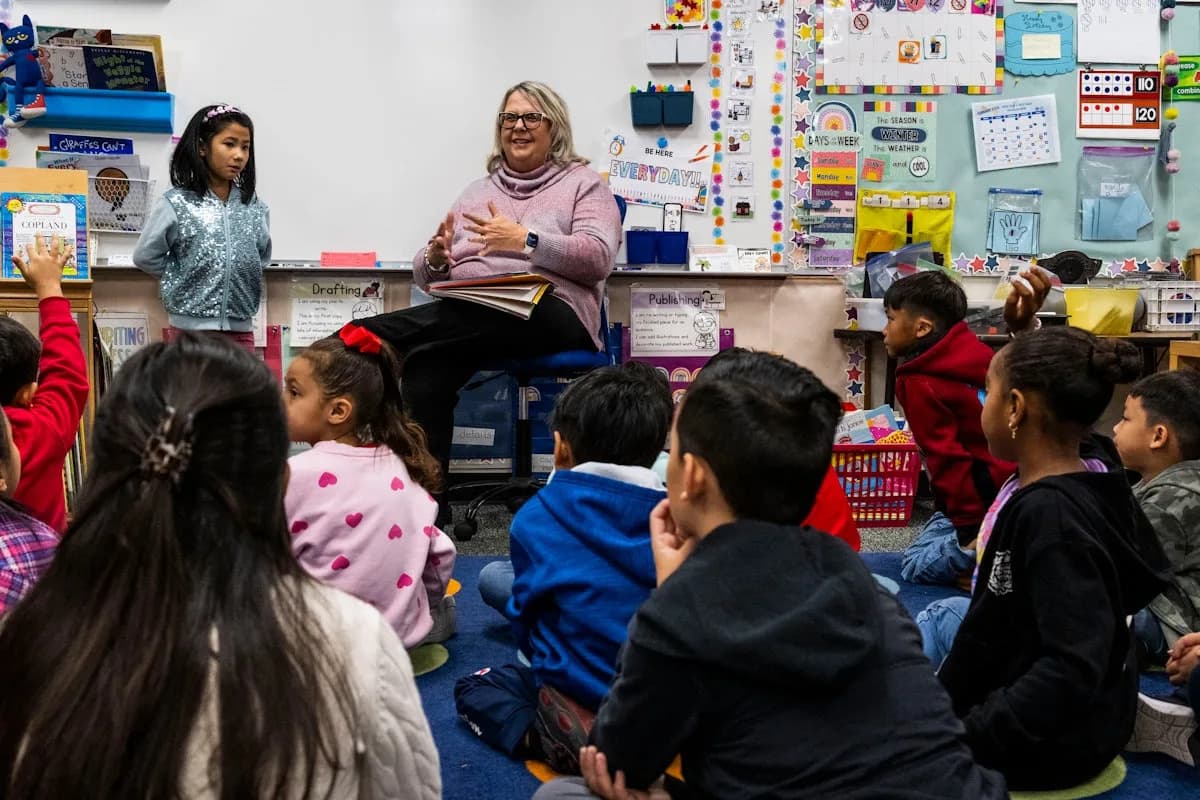
Texas is poised to require the Bible as part of the K–12 curriculum for roughly five million public school students after the State Board of Education is expected to vote on the measure on Friday.
What the Proposal Would Do
The draft policy would eliminate instruction in a course called "World Cultures" and formally incorporate selected Bible stories and passages into grade-level reading lists. The proposal also limits classroom use to specific translations, including the King James Bible.
Grade-Level Readings
Under the proposed list, elementary students would encounter stories such as Noah's Ark, David and Goliath, and Daniel in the Lion's Den. Middle school students would study the Shepherd's Psalm (commonly Psalm 23) alongside religiously themed poems and essays by writers such as Langston Hughes and Robert Frost. High school curricula would include the second chapter of Genesis, which describes the creation of Adam and Eve.
Opt-Outs, Translations And Potential Effects
Students would be permitted to opt out of lessons on religious texts, but critics warn that making those texts part of the official curriculum could still affect grades or course assessments. The proposal's restriction to particular Bible translations — notably the King James Version, which is widely used by many Protestant and evangelical congregations but is not the primary translation used by the Roman Catholic Church — raises additional concerns about denominational neutrality.
Context And Recent Developments
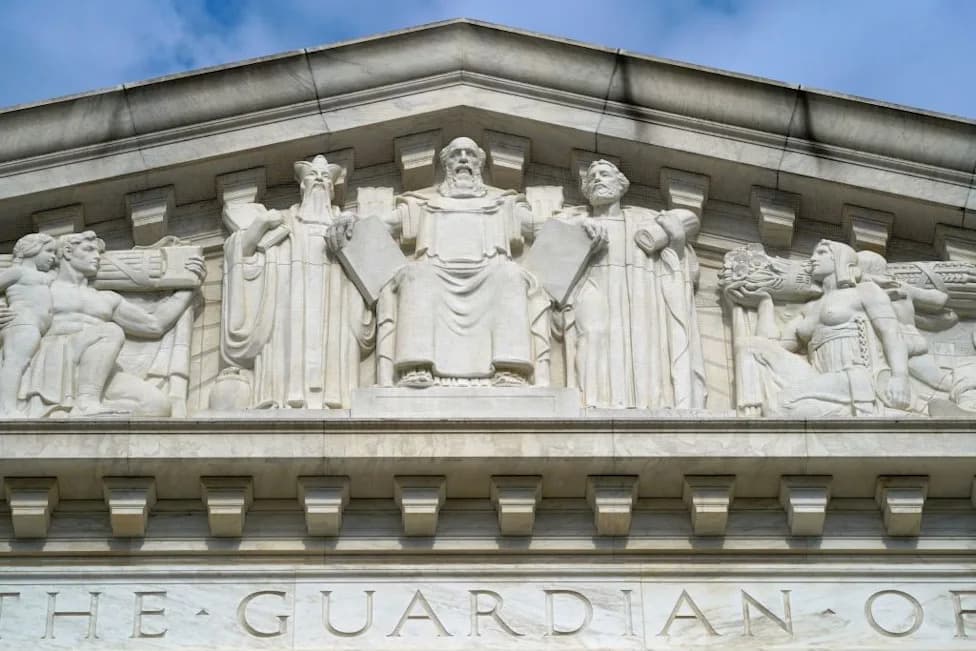
The curriculum proposal follows several recent actions in Texas expanding the role of religion in public schools. In 2023 the state authorized hiring chaplains for public schools; the following year it offered additional funding for districts that provide optional Bible instruction. Last year, Texas required public schools to display the Ten Commandments in classrooms, making it the largest state to adopt that policy among several Republican-led states.
Responses
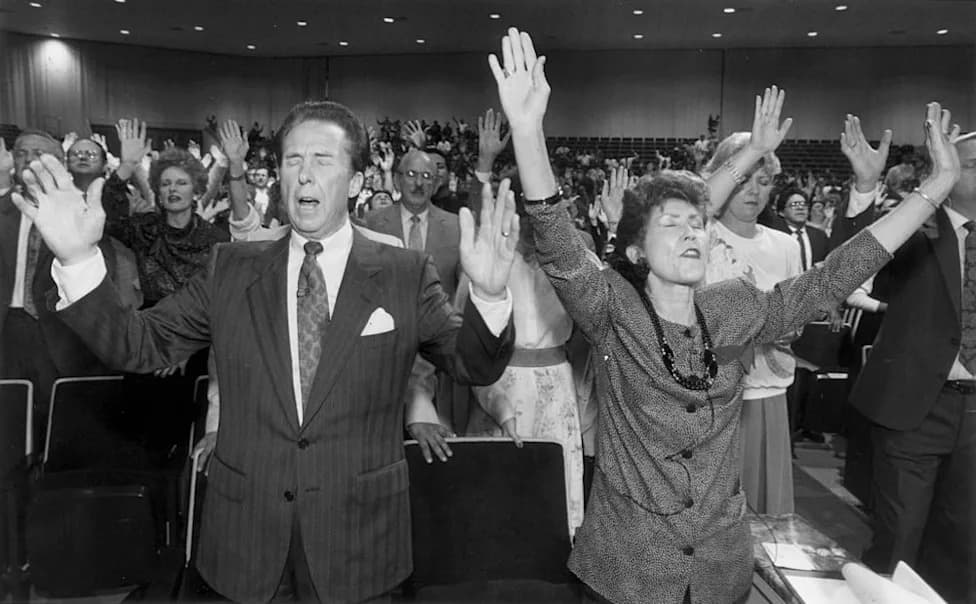
Supporters say the changes restore historical and literary context for students and revive a focus on religious heritage. Opponents argue the measure risks violating the constitutional separation of church and state, could alienate students from non-Christian or nonreligious backgrounds, and may infringe on parents' rights to direct their children's religious education. Media outlets including CNN have reported on the debate and the specifics of the proposal.
Bottom line: The State Board's imminent vote could reshape how religion is taught in Texas public schools and is likely to prompt legal and political challenges regardless of the outcome.
Help us improve.