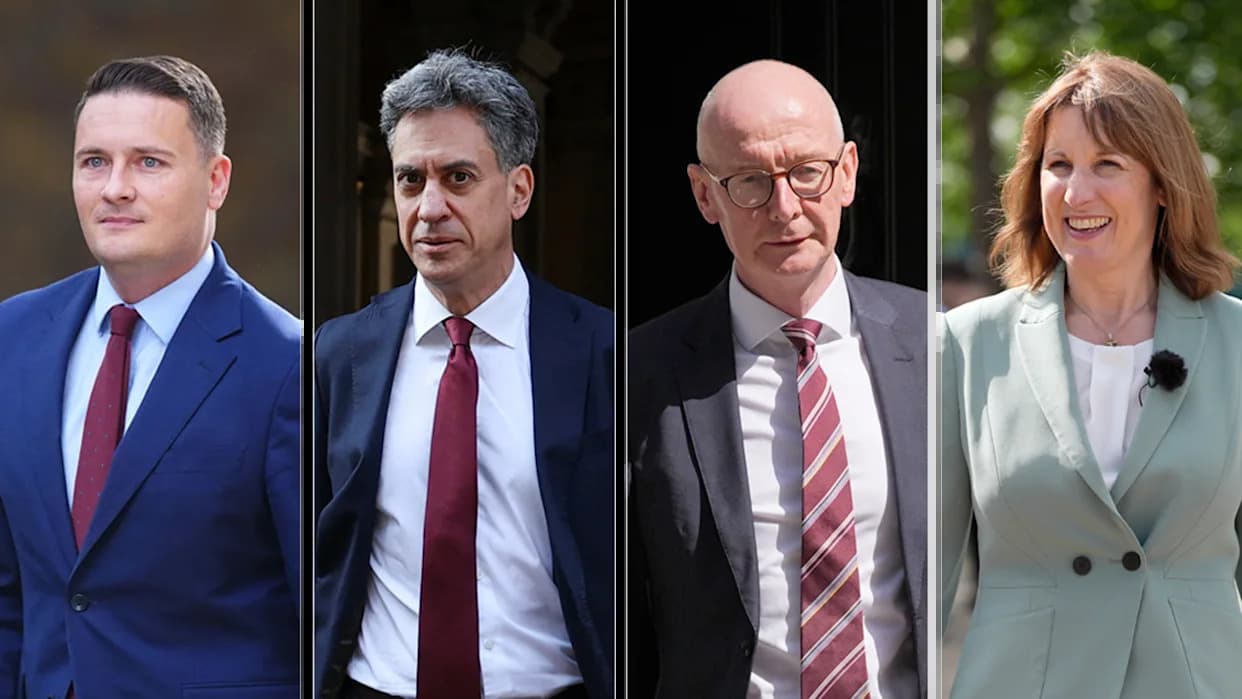
Andy Burnham is widely expected to become prime minister after Sir Keir Starmer's resignation, prompting speculation about who will replace Rachel Reeves as chancellor. Front-runners include Ed Miliband, Wes Streeting, Pat McFadden and Yvette Cooper — each offering different mixes of experience, market credibility and policy priorities. The next chancellor will confront high debt, weak growth, welfare reform, defence spending pressures and fallout from international conflicts. Advisers urge Burnham to set his priorities before selecting a chancellor to ensure coherent policy and market confidence.
Who Could Be the UK's Next Chancellor? Key Contenders and What Their Appointments Would Mean
[PA Media]
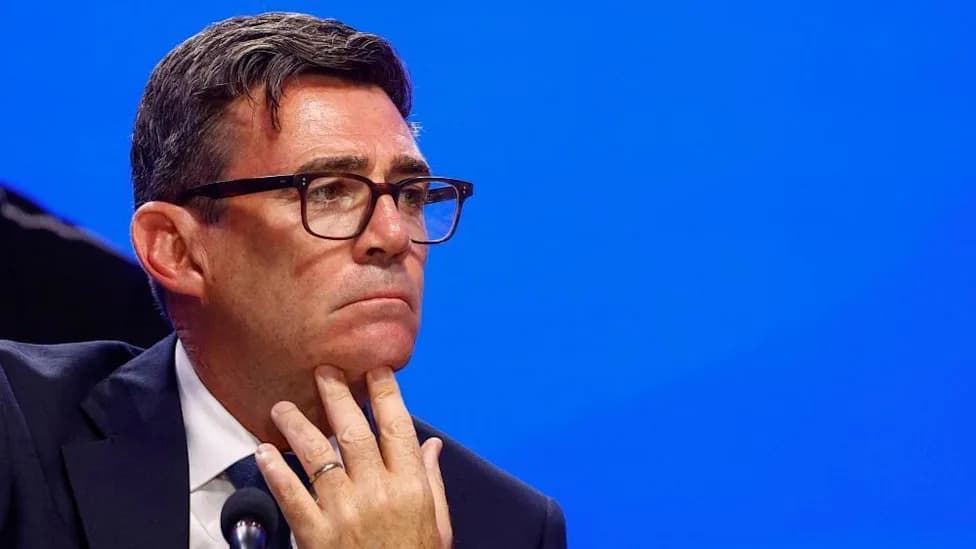
With Sir Keir Starmer stepping down, Andy Burnham — newly elected as the Makerfield MP — is widely expected to become the next UK prime minister. A change of prime minister typically brings a new chancellor. The next occupant of Number 11 Downing Street will inherit a heavy agenda: high public debt, sluggish growth, a likely major welfare-reform programme, defence spending pressures, and the international economic fallout from Middle East tensions.
[Getty Images]
What the Chancellor Will Face
Immediate challenges: restoring market confidence, managing debt and borrowing costs, boosting growth, and designing welfare reforms that balance fiscal sustainability with social protection. Longer-term decisions will include defence spending priorities and energy transition policies that affect household bills and investment.
[Getty Images]
Main Contenders
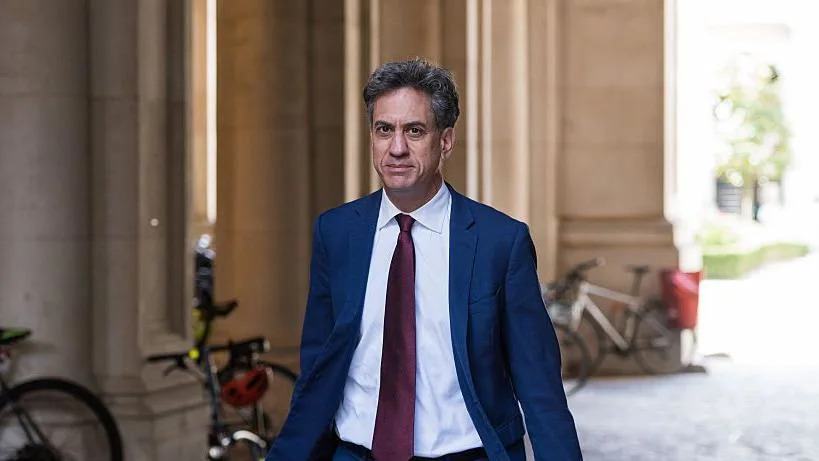
Ed Miliband
Bookmakers currently favour Ed Miliband. He is politically close to Andy Burnham, which some observers see as an advantage for coordination between Number 10 and Number 11.
[Getty Images]
"You really don't want people in Number 10 and Number 11 having very different views," says Paul Johnson, former director of the Institute for Fiscal Studies.
Supporters argue Miliband has the political stature and experience to articulate a coherent strategy. Critics, however, warn that his reputation on energy and net-zero policy—fairly or not—could be seen by markets as inflationary or costly for households. Business figures such as Lord Richard Walker and union leaders like Sharon Graham have publicly warned he would be a risky pick; other unions back him.
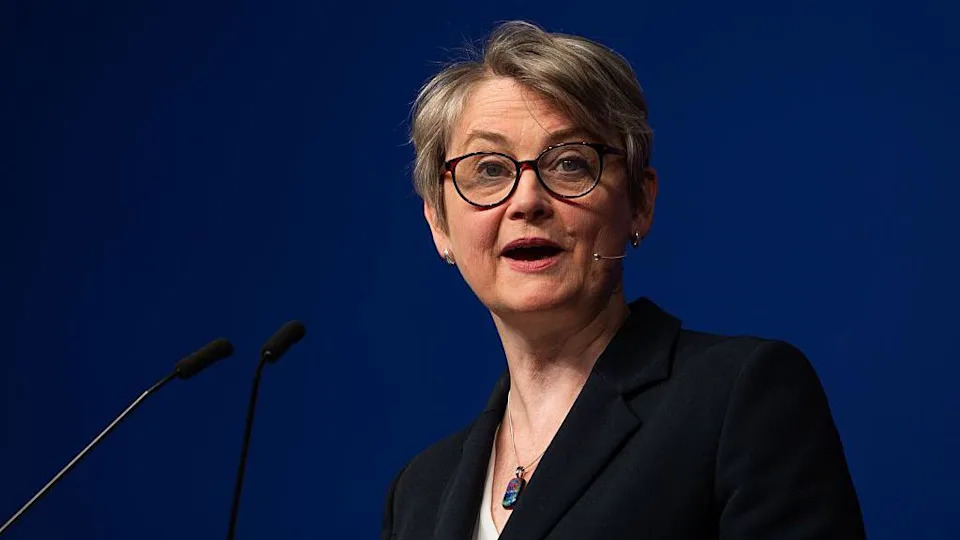
[Getty Images]
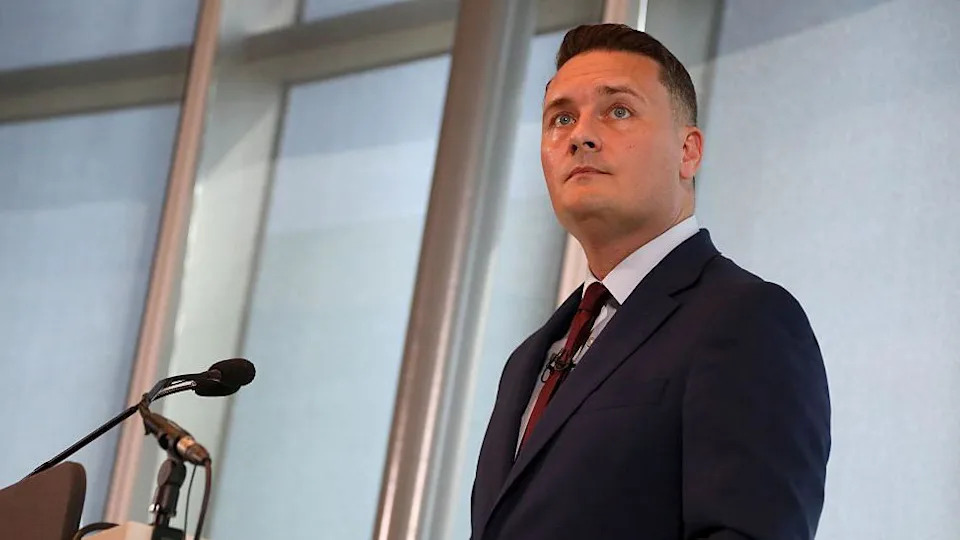
Wes Streeting
Once an early favourite for the leadership, Wes Streeting is viewed as relatively market-friendly because of his pro-growth rhetoric. Some reports suggest he could be rewarded for backing Burnham, but advisers caution against appointing a chancellor primarily for political loyalty. Streeting is seen as politically ambitious by some, which could present a medium-term political risk.
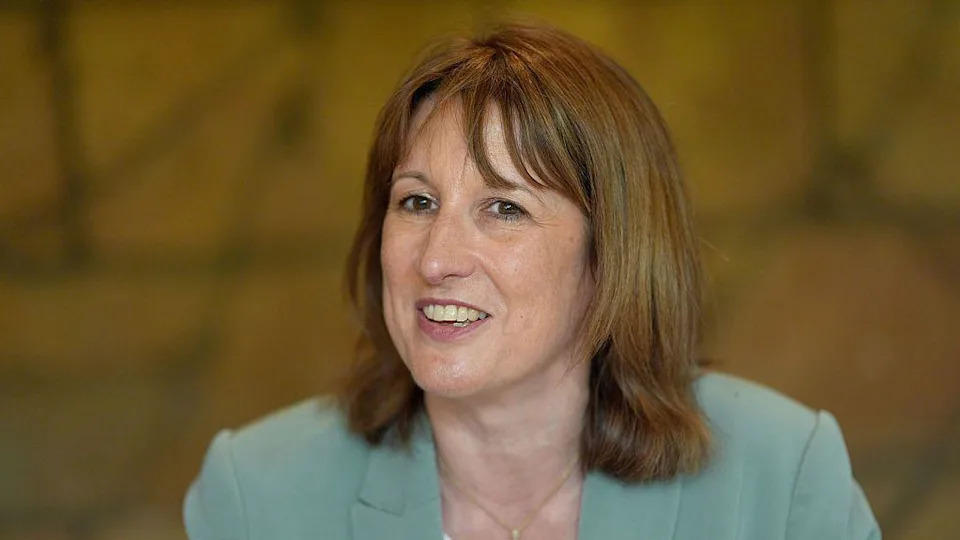
[Getty Images]
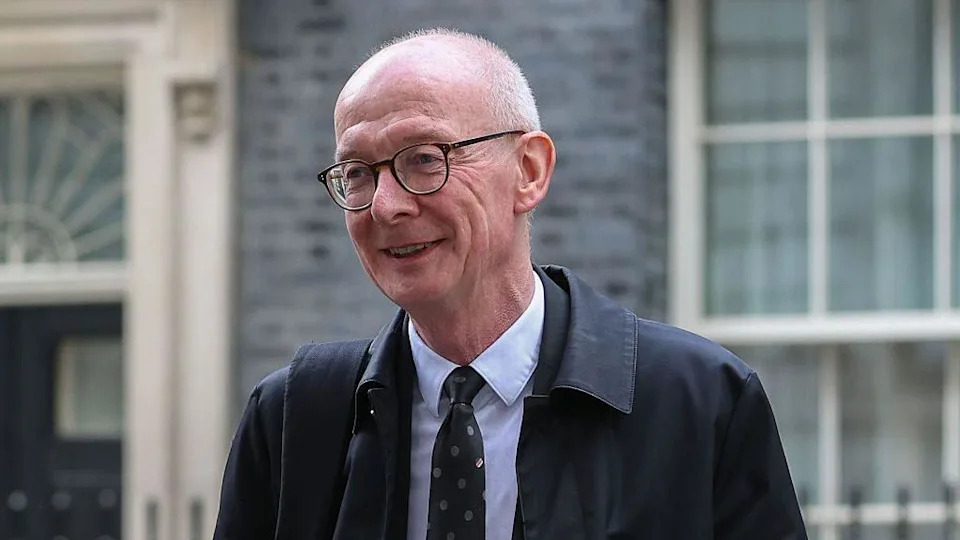
Pat McFadden
Seen by many as a steady, experienced choice, Pat McFadden has held shadow Treasury roles, served as a business minister, and is currently work and pensions secretary. His direct experience with welfare policy could be valuable if welfare reform becomes central to the chancellor's brief. Market commentators often describe him as a "safe pair of hands."
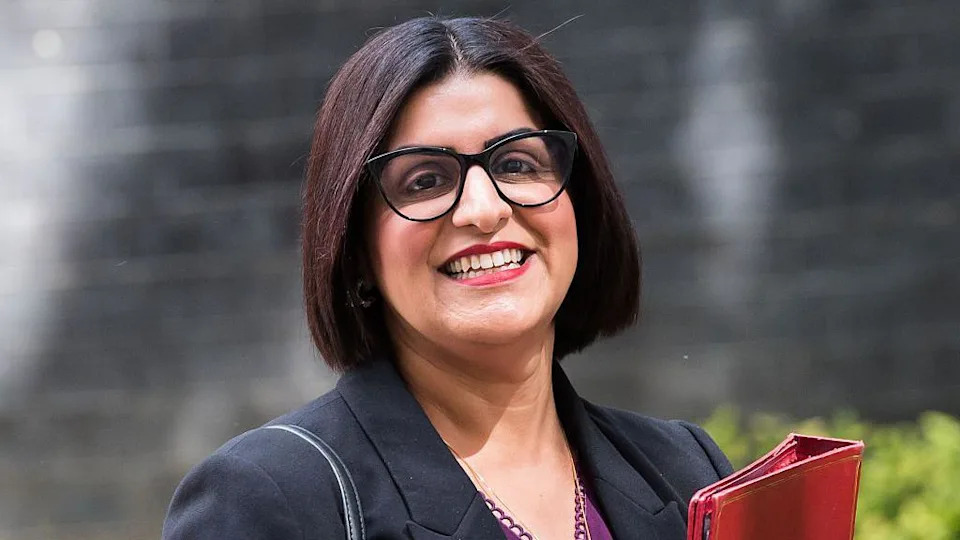
[Getty Images]
Yvette Cooper
As a former chief secretary to the Treasury and a long-serving Cabinet figure, Yvette Cooper is sometimes proposed as a compromise candidate. She is viewed as a moderate, experienced operator — politically between Miliband and figures like McFadden or Streeting — though some analysts say she remains less prominent in recent economic debates.
Rachel Reeves and the Likely Transition
It increasingly appears unlikely that current Chancellor Rachel Reeves will remain in post under a Burnham premiership. A Burnham spokesperson has said no decisions are final, but reports suggest Reeves could be moved to a different cabinet role. Reeves has defended her record and urged continuity in some fiscal areas, saying her approach is "beginning to bear fruit," while Burnham has indicated he would respect some existing fiscal rules.
Wildcards and Outsiders
Several less likely but notable names have been floated: Home Secretary Shabana Mahmood (reportedly fiscally cautious but with limited economic experience); former defence secretary John Healey (who resigned to press for higher defence spending); chief secretary Darren Jones; and Torsten Bell, former chief executive of the Resolution Foundation. Each brings different priorities — for example, selecting Healey could signal a quicker rise in defence spending, which would have fiscal implications.
How the Choice Will Be Judged
Market and political reactions will hinge on whether the chosen chancellor can present a coherent, credible strategy for debt, growth and public spending. As adviser Lord Jim O'Neill warned, Burnham should define his priorities before appointing a chancellor: "Figure out what his priorities are as prime minister before he picks a chancellor." The candidates most often named in public discussions are typically those actively positioning themselves for the role.
Bottom line: Whoever is appointed will need to balance short-term market confidence with long-term policy goals on growth, welfare and defence — and must be able to coordinate closely with Number 10 to give investors and the public confidence in the government's economic direction.
Help us improve.