The Nonhuman Rights Project has filed a habeas corpus petition on behalf of Mari and Vaigai, two Indian elephants kept in a 1.5-acre exhibit at the Honolulu Zoo for more than 30 years, arguing their confinement violates protections against unlawful detention. Hawaiian trial and appellate courts have rejected NhRP's claims, but the Hawaii Supreme Court agreed to hear the appeal in early June. NhRP argues the exhibit cannot meet elephants' physical and social needs; the zoo says it provides appropriate care and cites exhibit refresh efforts. A favorable ruling could spur similar legal efforts nationwide.
Wild Elephants Roam Hundreds Of Miles — Two Have Lived On 1.5 Acres For Three Decades As Courts Consider Their Rights
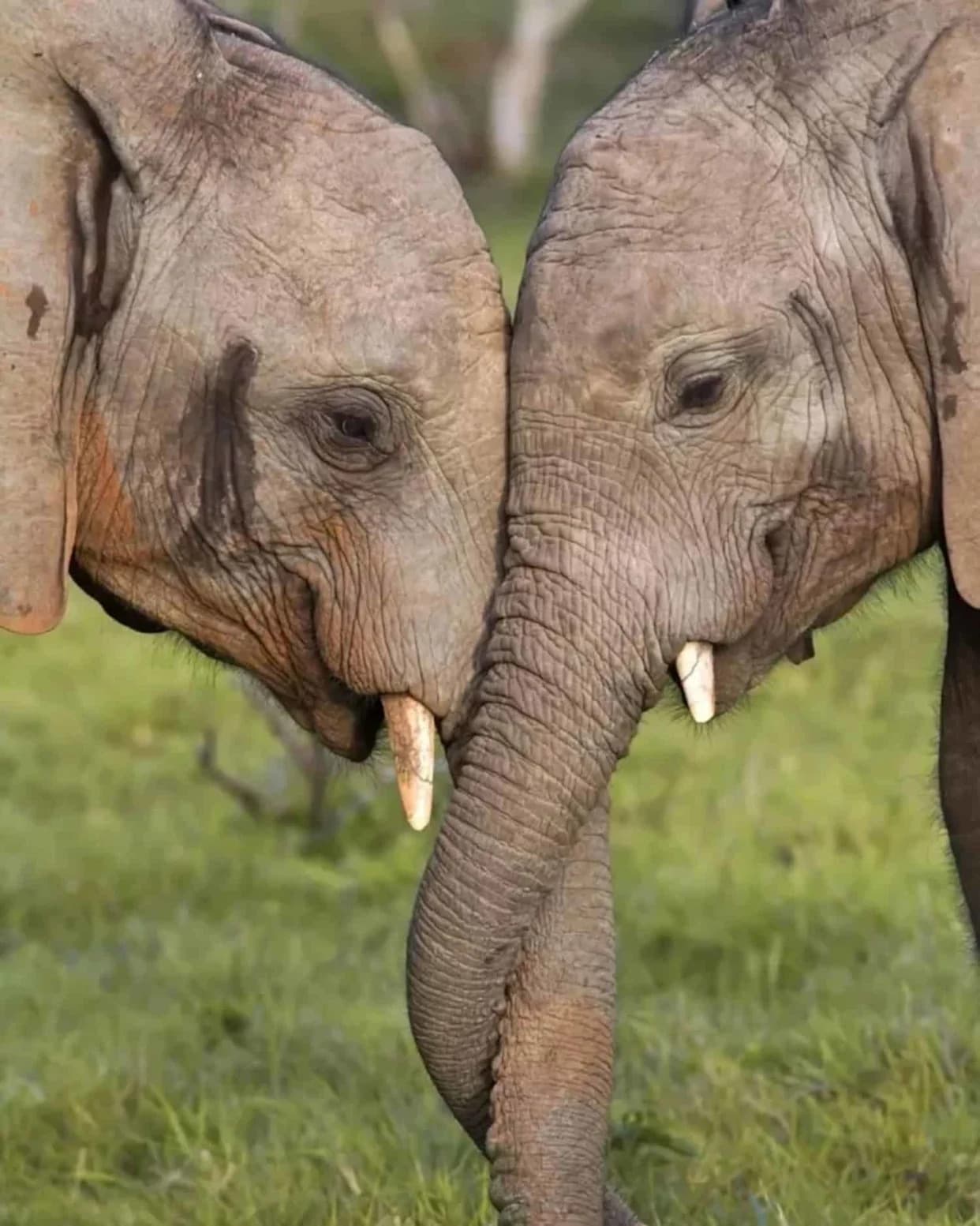
Two young elephants affectionately touch heads, gently intertwining trunks and tusks on a green field, showcasing a tender social moment.© BellFrost/Shutterstock.com
Mari and Vaigai, two Indian elephants at the Honolulu Zoo, have spent more than 30 years confined to a roughly 1.5-acre exhibit — about the size of a city block. Their living conditions and long-term confinement are now the subject of a legal challenge that could reshape how U.S. courts treat certain animals under the law.
Background
Mari, 51, arrived at the zoo in 1982; Vaigai, 41, joined her in 1992. The pair share two water pools that each hold about 55,000 gallons within the 1.5-acre habitat. By contrast, research cited by the Smithsonian National Zoo estimates that wild Asian elephants may use home ranges between roughly 60 and 500 square miles and commonly travel one to four miles per day.
The Lawsuit
The Nonhuman Rights Project (NhRP), a U.S.-based civil-liberties organization seeking legal recognition for animals with complex cognition, filed a habeas corpus petition on behalf of Mari and Vaigai. Habeas corpus is traditionally used to challenge unlawful detention of people; NhRP argues the elephants are effectively unlawfully confined and should be afforded the same protection against detention.
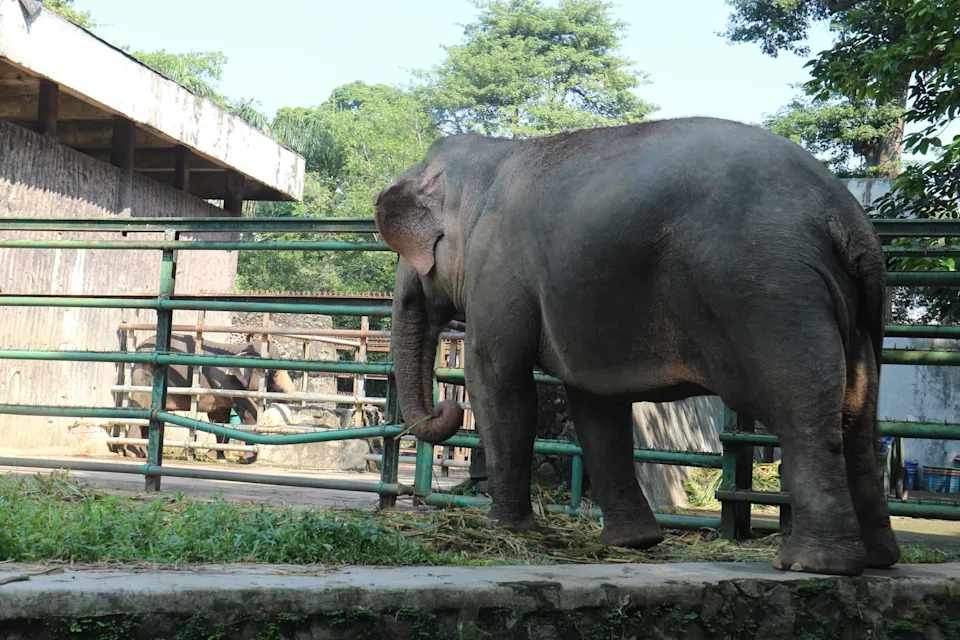
Allegations that elephants are kept in enclosures that are too small form one basis for the lawsuit.©Cindhyade/Shutterstock.com
NhRP attorneys contend the Honolulu Zoo cannot replicate the broad physical, social and environmental conditions elephants experience in the wild. They say the enclosure is too small, the ground can be hard on elephant foot pads, there is inadequate shade and the exhibit sits close to busy, noisy streets — factors they call "especially insidious."
Court History And Current Status
Hawaiian lower courts have so far rejected NhRP's claims. Circuit Court Judge Gary Chang acknowledged elephants as "magnificent, highly intelligent beings" but concluded they do not meet Hawaii's statutory definition of "persons," which the legislature limits to humans. An intermediate appellate court affirmed that decision and suggested NhRP pursue legislative change rather than further litigation.
NhRP appealed, and in early June the Hawaii Supreme Court agreed to hear the case — a notable development because the court could have declined. NhRP describes the acceptance as a historic step for the broader effort to secure legal rights for nonhuman animals. No court date has been set.
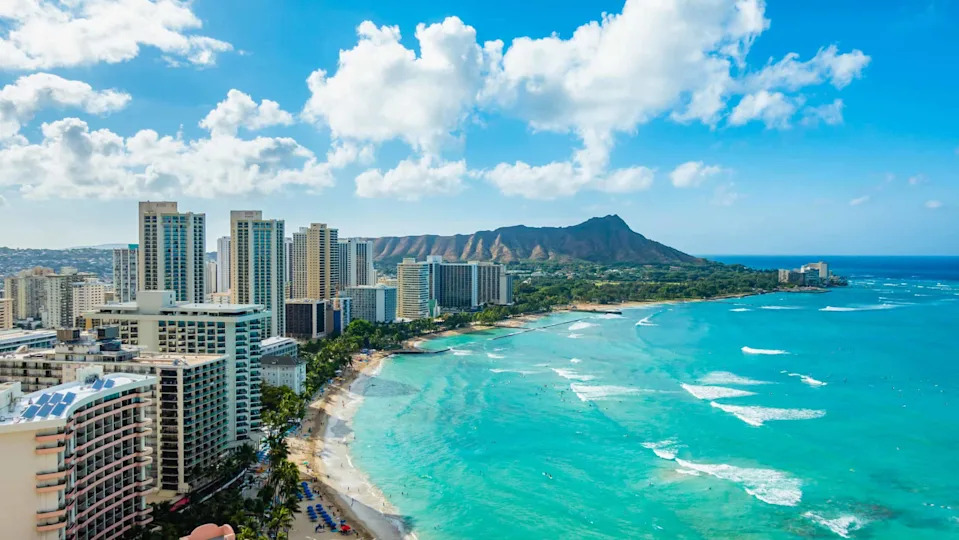
The Honolulu Zoo’s location close to busy city streets is also a concern to those fighting for elephant rights.©okimo/Shutterstock.com
Zoo Response And Public Debate
The Honolulu Zoo is owned by the city of Honolulu. Zoo Director John Berry conveyed in an emailed statement to the Associated Press that the zoo is committed to the elephants' care and provides enrichment, and that it has been working on a project to refresh and expand their exhibit. However, public statements about specific plans have been inconsistent; at least one Oahu County representative later retracted mention of exhibit-improvement plans.
The zoo has faced criticism before. Animal welfare group In Defense of Animals listed Honolulu Zoo among its "10 worst" in part because of the elephant facilities. The zoo lost accreditation from the Association of Zoos and Aquariums (AZA) in 2016 but regained it in 2020.
Legal Precedents And Broader Implications
NhRP previously brought similar habeas corpus cases on behalf of elephants in Connecticut and New York. Those suits were unsuccessful, although dissenting opinions in New York — including one by Judge Jenny Rivera — described elephant captivity as "inherently unjust and inhumane" and argued that continued confinement as a spectacle diminishes society.
Judge Jenny Rivera (dissent): "It is an affront to a civilized society, and every day she remains a captive — a spectacle for humans — we, too, are diminished."
A favorable ruling in Hawaii would directly affect Mari and Vaigai but could encourage similar legal or legislative efforts elsewhere. Independent of court outcomes, welfare concerns have already prompted change: more than 40 U.S. zoos closed their elephant exhibits since 1991, citing animal welfare reasons.
What Comes Next
The Hawaii Supreme Court's decision to hear the case means the legal questions will receive high-court review, but the timeframe remains uncertain. Observers on both sides expect a closely watched and potentially precedent-setting legal battle over how far common-law rights might extend to nonhuman animals.
Help us improve.