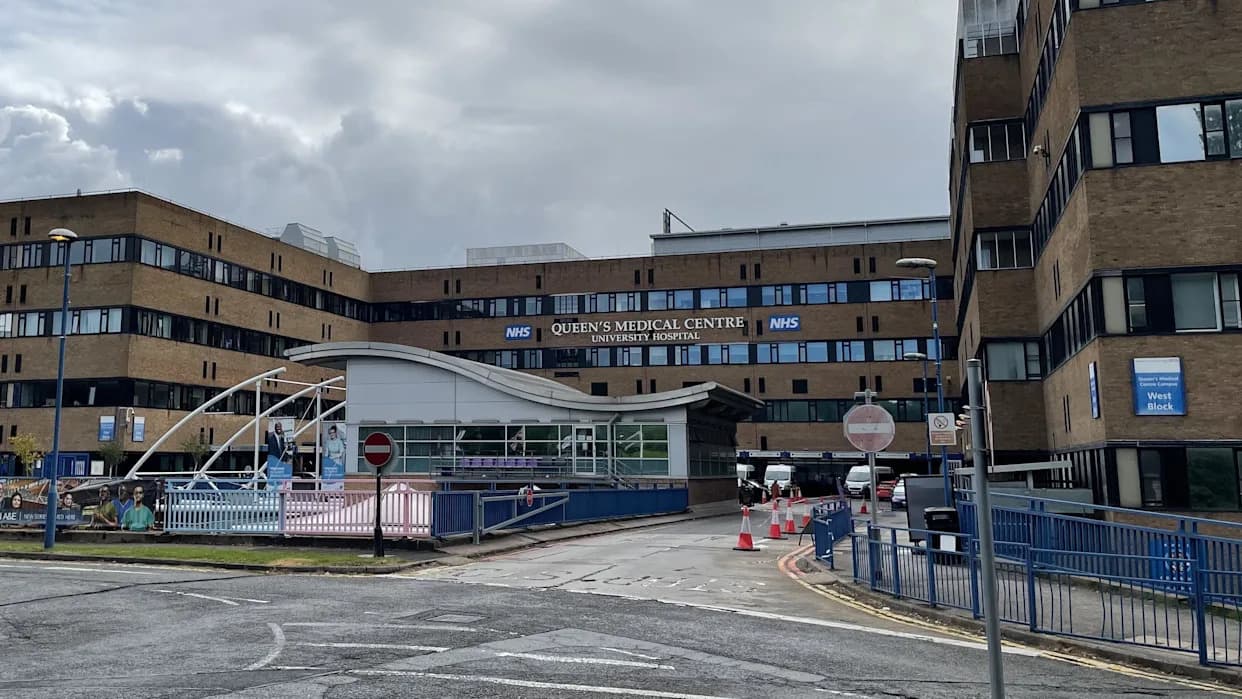
Eight bodies were found in a state of "advanced deterioration" in the mortuary run by Nottingham University Hospitals (NUH) NHS Trust after the hospitals ran out of freezer space, an unannounced inspection by the Human Tissue Authority (HTA) has found.
Inspection Findings
The HTA visited the Queen's Medical Centre (QMC) and City Hospital in March 2026 and identified three critical shortfalls, six major shortfalls and one minor shortfall against its standards. Inspectors concluded that limited freezer capacity had led to some bodies being stored in refrigerated conditions rather than being transferred promptly to freezers; eight were recorded as showing advanced deterioration as a result.
Concerns Over Post‑Death Care And Identification
Inspectors raised multiple governance and practice concerns, including that some paediatric post‑mortems were performed in an inadequately ventilated laboratory by support staff who had not received mortuary training, rather than in a designated post‑mortem suite. The HTA also warned that hermetically sealed body bags used for deteriorating remains were not opened at the point of release, meaning identification was sometimes checked only against paperwork rather than by confirming the wristband on the deceased. The HTA said this increases the risk of the wrong body being released to funeral services.
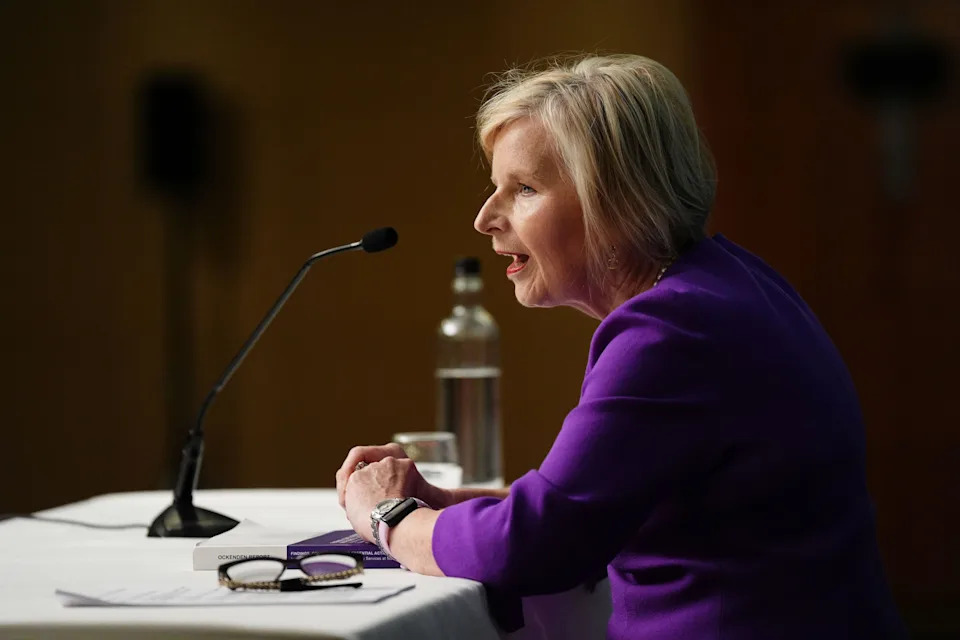
The review chaired by Donna Ockenden found evidence of recurring examples of failure to protect the dignity of the deceased [Jacob King/PA Wire]
"The mortuary uses hermetically sealed bags for bodies in a state of deterioration; however, these seals are not opened at the point of release," the HTA report said.
Failures To Report Incidents
An accompanying audit found that just over half of 145 recorded incidents that should have been escalated to the regulator were not reported, raising further concerns about oversight and transparency at the trust.
Background: Maternity Review And Police Inquiry
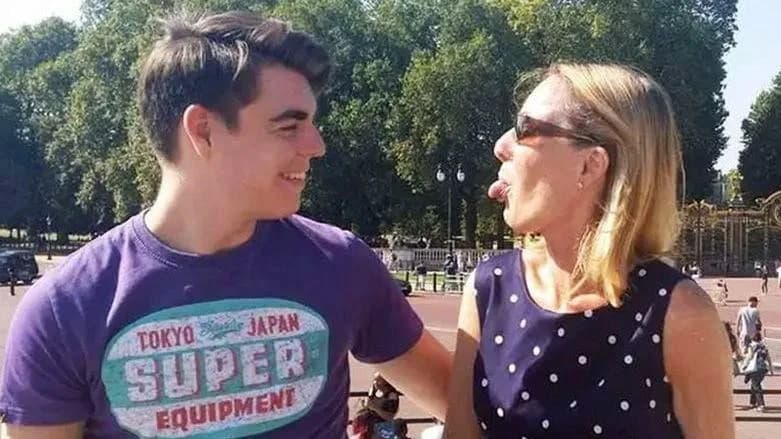
The HTA inspection followed revelations about post‑death care uncovered during the independent maternity review led by Donna Ockenden, which criticised mortuary care and reported that hundreds of local families had experienced poor maternity services. The review highlighted 17 areas of concern, including harrowing cases such as the parents of Harriet Hawkins — stillborn in 2016 — who discovered her body had decomposed so badly it needed to be triple‑bagged.
The review additionally identified incidents in which an early‑gestation baby was disposed of as clinical waste, a wrong baby was handed to funeral directors, and the family of a deceased mother were advised not to see her because of the state in which she had been kept.
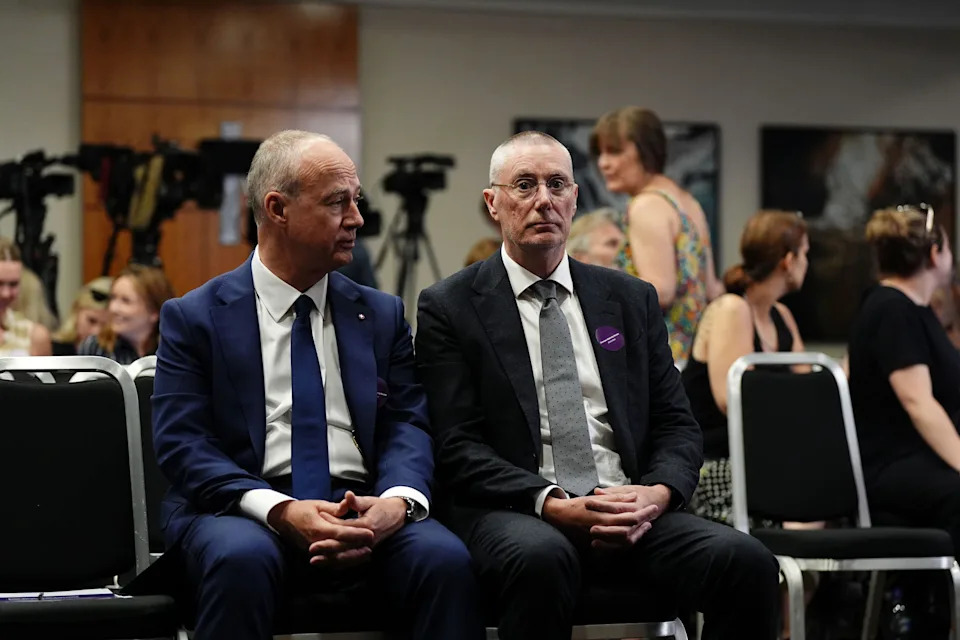
NUH chief executive Anthony May (right) said the trust had already taken action to make improvements [Jacob King/PA Wire]
Criminal Investigation And Trust Response
Two men were arrested and later bailed as part of Operation Perth, a police investigation that began in 2023 following the wider maternity failings. The arrests were made on suspicion of misconduct in a public office; Operation Perth uncovered breaches of the Human Tissue Act relating to mortuary management and operating practices.
NUH chief executive Anthony May accepted responsibility, apologised to affected families and confirmed the trust had commissioned a separate review into mortuary services and put an action plan in place. He said the trust still holds its HTA licence and pledged to meet every aspect of the regulator's standards. Manjeet Shehmar, NUH medical director, said the trust recognised that some mortuary systems and processes fell short and that improvements were already under way.
Next Steps
The HTA noted that the QMC met the majority of its standards and that some improvements had already been made since the inspection, but its findings highlight significant lapses in governance, capacity and mortuary practice that NUH must address. Families affected by these failings have been offered support and the trust has committed to transparent follow‑up with regulators.