Archie McClements collapsed at the Countess of Chester Hospital months after Lucy Letby was moved off the neonatal ward and later died of enterovirus in December 2016 after transfer to Manchester. His mother blames persistent sewage and plumbing problems, poor cleanliness and understaffing at the unit. The Thirlwall Inquiry found organisational failings and said three babies might have been saved with earlier intervention. The Criminal Cases Review Commission is reviewing Letby's convictions.
Newborn Collapses at Countess of Chester Months After Lucy Letby Was Moved Off Ward, Mother Says
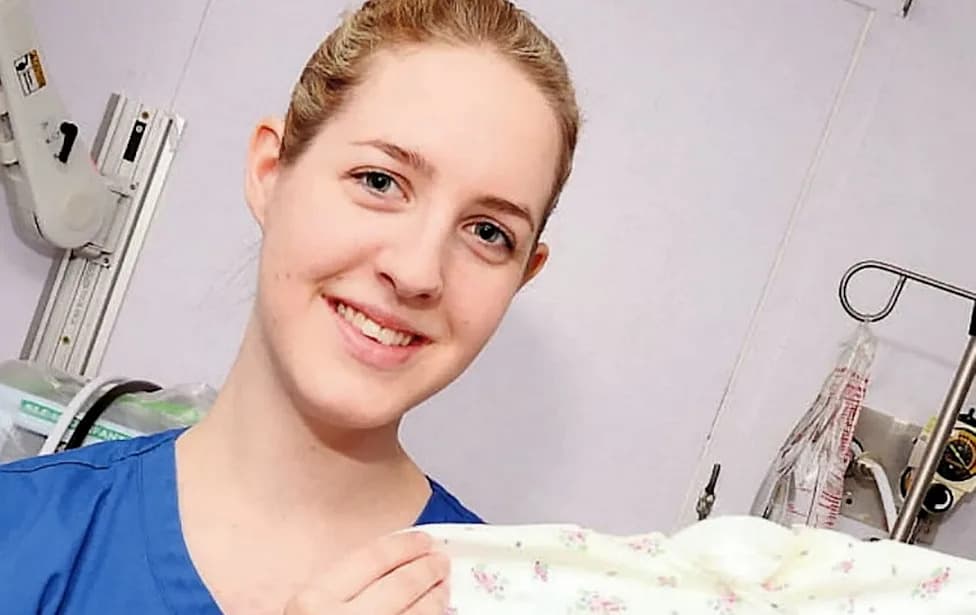
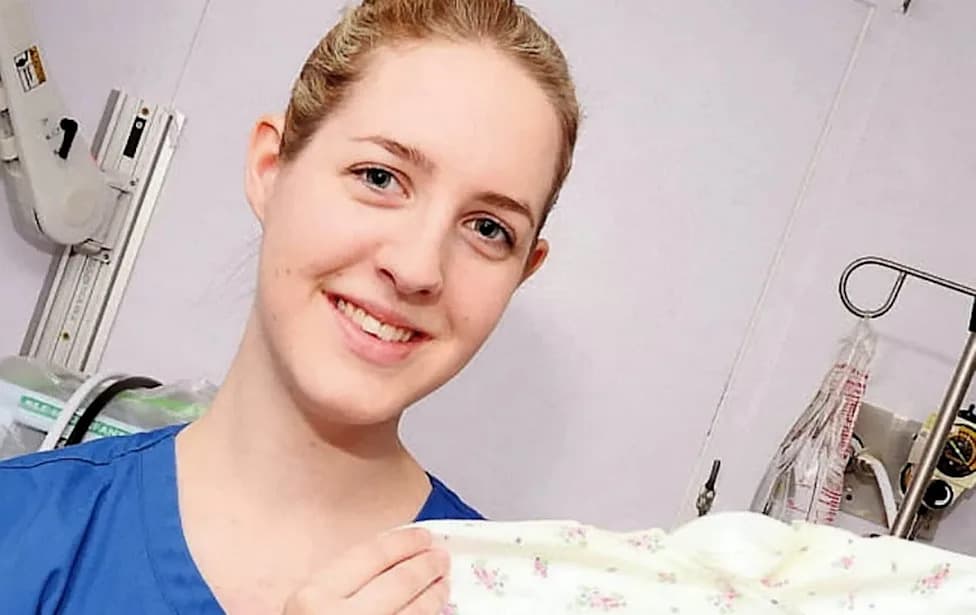
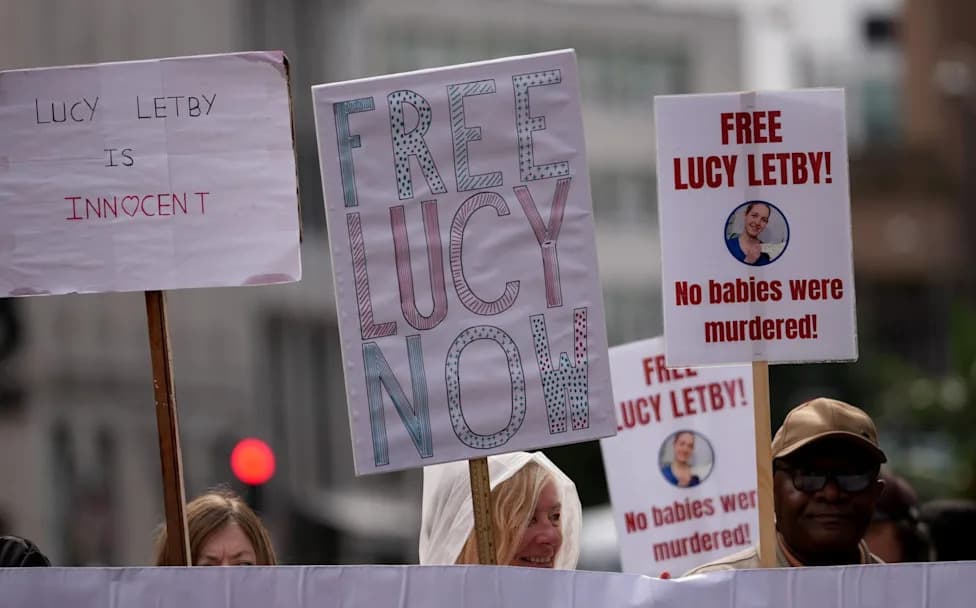
Lucy Letby has continued to insist she is innocent of any wrongdoing - Chester Standard/SWNS
A newborn infant collapsed at the Countess of Chester Hospital months after neonatal nurse Lucy Letby was reassigned from the ward, the baby's mother has told reporters.
Annalise McClements says her son, Archie McClements, was born at the Countess of Chester Hospital around six months after Letby had been suspended from clinical duties amid an investigation into a series of unexplained infant deaths and collapses. Archie was later transferred to a specialist unit in Manchester and died in December 2016; the family say the cause was enterovirus, an infection typically spread via faecal contamination.
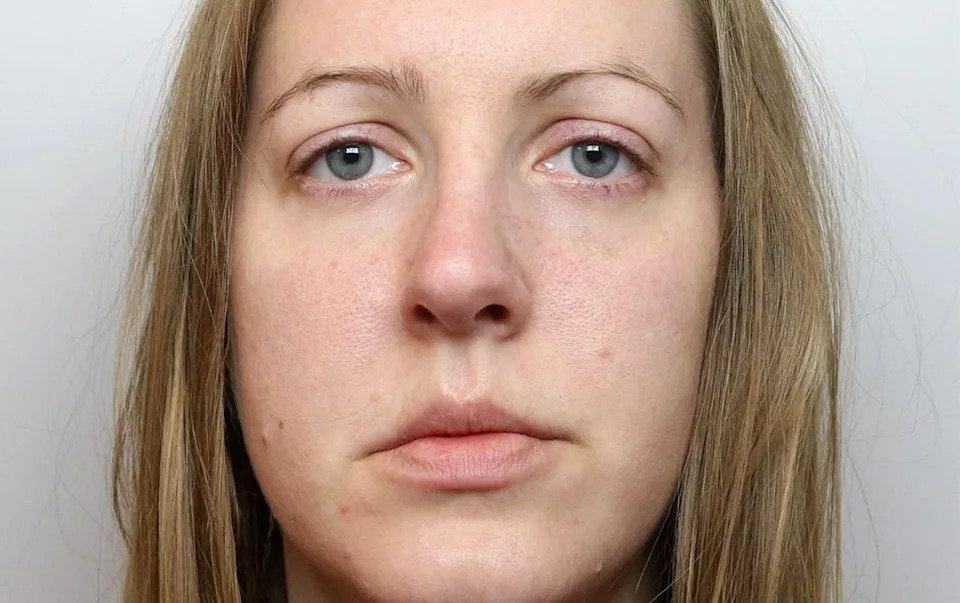
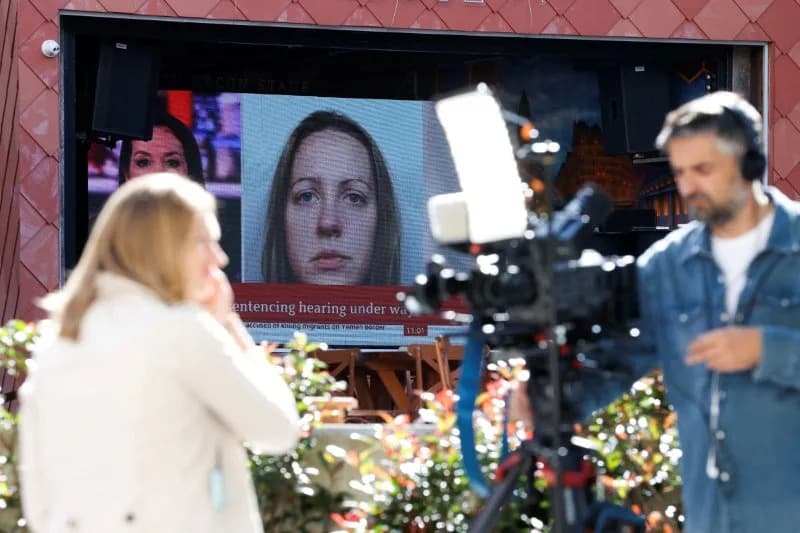
Lucy Letby is serving 15 whole-life terms - Cheshire Constabulary/AFP via Getty Images
Ms McClements told The Sun she was initially informed clinicians believed Archie may have contracted the infection during labour, but she later learned the neonatal unit at the Countess had experienced sewage and plumbing problems. She said this—and what she perceived as poor cleanliness and low staffing—made the hospital a likely source of infection.
"They said it was me — but they knew full well Archie could have caught it from the unit. I can't forgive them for making me feel like that, for letting me take the blame," Ms McClements said.
At Lucy Letby's criminal trial, prosecutors argued that reports of suspicious deaths and collapses in the neonatal unit largely ceased after she was moved into an administrative role; that contention formed a significant strand of the evidence. Letby was convicted in 2023 of murdering seven babies and attempting to kill seven others at the Countess of Chester Hospital between 2015 and 2016 and is serving multiple whole-life terms.
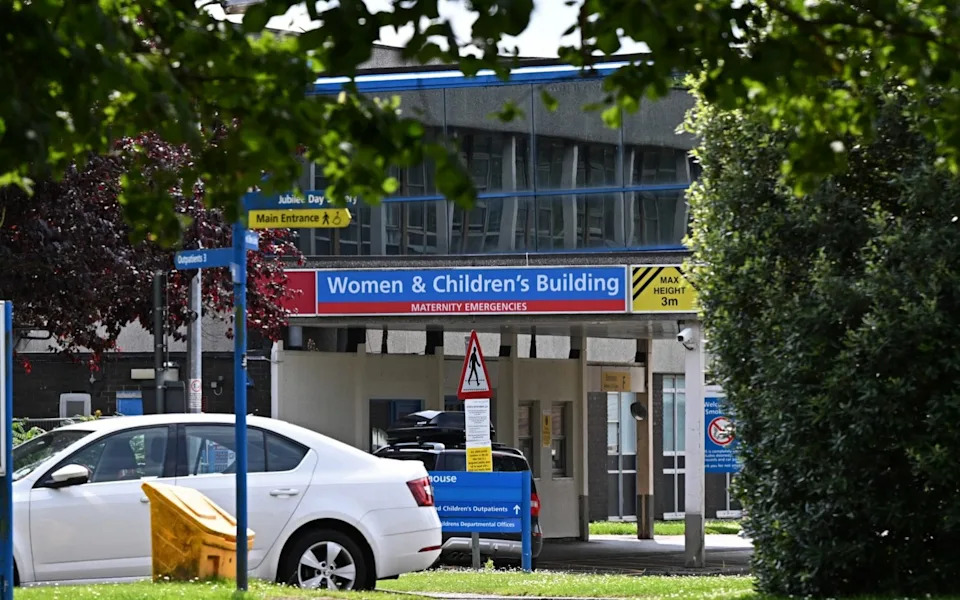
The Countess of Chester Hospital, where Letby worked - AFP via Getty Images/Oli Scarff
However, some medical and legal experts have raised questions about aspects of the convictions, and the Criminal Cases Review Commission (CCRC) is currently considering whether to refer the case back to the Court of Appeal.
Last week the independent Thirlwall Inquiry—established to examine the hospital's handling of events involving Letby—reported that three babies could have been saved if consultants and managers had acted sooner. The inquiry concluded that repeated organisational and individual failings allowed seven other non-fatal attacks to occur.
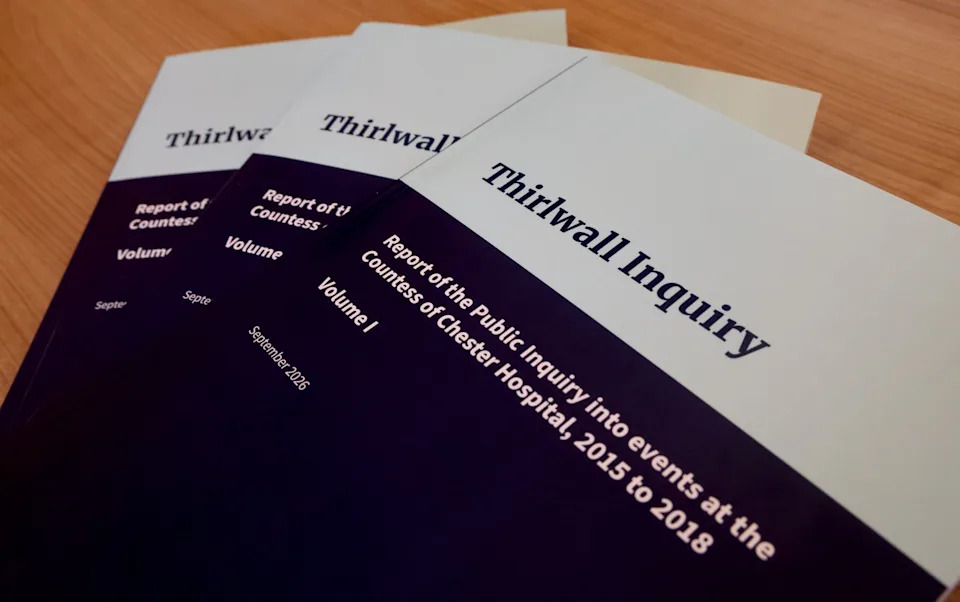
The Thirlwall inquiry began from the wrong assumption, the NHS boss believes - via Getty Images/Thirlwall Inquiry
Ms McClements also described concerns about staffing levels on the neonatal unit. On visiting Archie she said she rarely saw more than one member of staff and encountered a consultant only once during the week he was in the unit.
A spokesperson for the Countess of Chester Hospital NHS Foundation Trust told The Sun: "We understand the significant public interest in these matters and recognise the importance of providing reassurance to our patients and the local communities we serve. However, it is equally as vital that we continue to recognise and co-operate with the ongoing legal processes and we are unable to comment on issues that remain subject to an ongoing investigation by Cheshire Police. When it is appropriate to do so, we will provide further information about the actions we have taken to strengthen patient safety and governance and about any further actions we take or have taken to address the Thirlwall report's findings and recommendations."
This report summarises the family's claims, the findings of the Thirlwall Inquiry, and the current legal context. Further investigation and official reviews remain ongoing.
Help us improve.