The legal case brought for 57-year-old Jürgen Linnemann challenges the classification of thousands of sheltered-workshop employees in Germany, arguing they should be legally recognised as employees and entitled to the minimum wage. Around 300,000 people with disabilities work in these workshops, but fewer than 1% move into mainstream employment due to structural barriers and financial incentives that encourage outsourcing. The case, filed by Gesellschaft für Freiheitsrechte, will be heard in Münster in September, with a final decision expected in about a year.
German Test Case Seeks Minimum Wage for 300,000 Disabled Workshop Workers
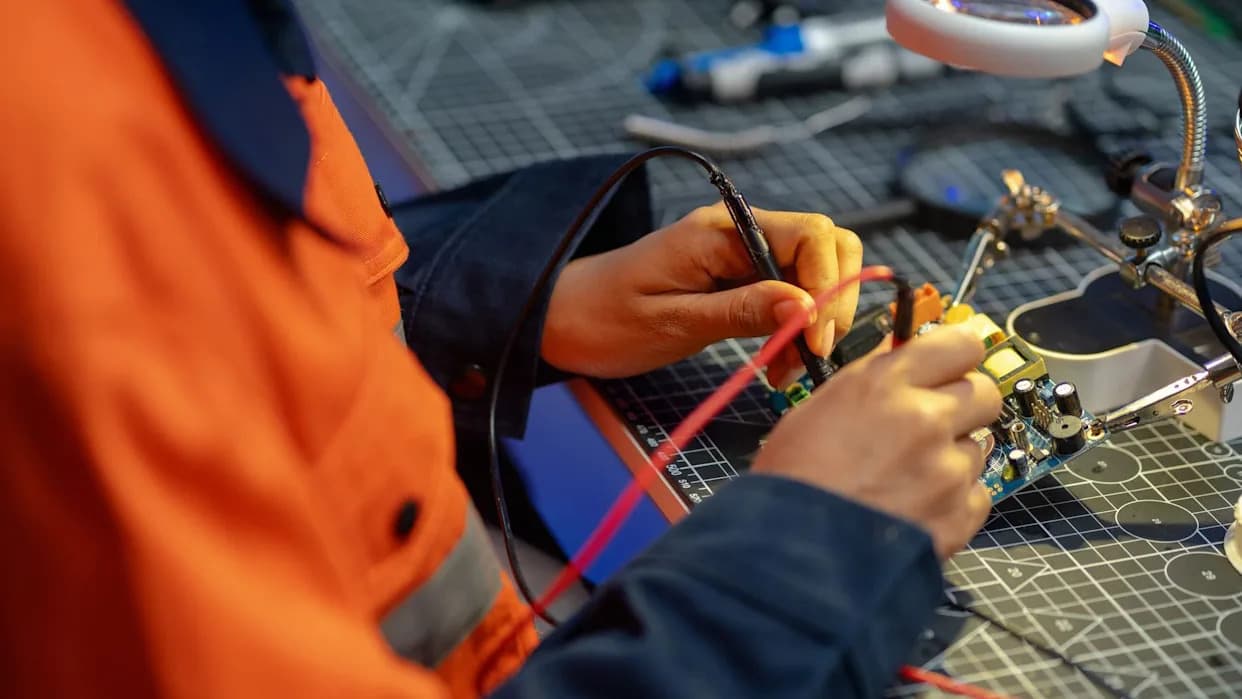
Special workshops for disabled people employ 300,000 people in Germany [Getty Images]
A landmark legal challenge before a German labour court could reshape pay and rights for hundreds of thousands of disabled people who have long worked in so-called sheltered workshops (“Werkstätten für behinderte Menschen”). The case, brought on behalf of 57-year-old Jürgen Linnemann, asks a court to recognise workshop workers as employees entitled to the statutory minimum wage.
In Germany roughly 300,000 people with disabilities are employed in sheltered workshops that produce goods for well-known national and international brands. Despite performing productive work, many workshop employees are not classified as employees under current law. That classification excludes them from minimum-wage protections and other employment rights, including the ability to join trade unions.
What the Case Says
Linnemann's lawsuit argues that people who carry out work in these workshops should be legally recognised as employees and be paid at least the minimum wage. The claim has been filed by the Berlin-based human-rights organisation Gesellschaft für Freiheitsrechte (Society for Civil Rights). The next hearing at Münster Labour Court is scheduled for September, and a final decision may take about a year.
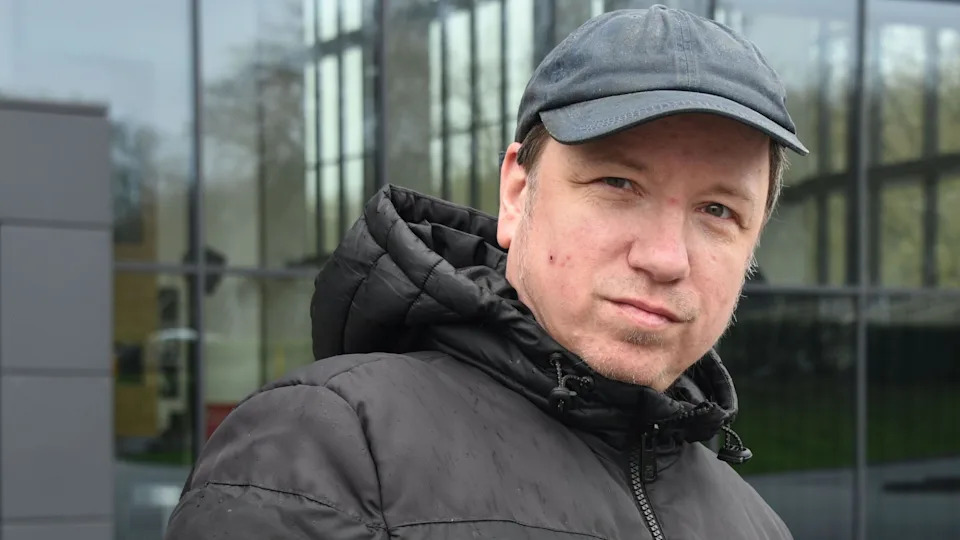
Dirk Hähnel has spent much of his adult life in a workshop [BBC]
How the System Works — And Why It Persists
Critics say the sheltered-workshop model is sustained by legal and financial incentives. Under German law, firms with more than 20 employees must hire at least one person with a disability; larger companies face a 5% quota. Companies who fail to meet these obligations can instead pay into a central fund. Many employers choose that route or subcontract production to workshops — which can reduce the contributions they owe — making workshops economically attractive for outsourcing.
The policy consequences are significant: fewer than 1% of workshop employees successfully transition to jobs in the mainstream labour market. Former federal commissioner for disabled people Hubert Hüppe, a prominent critic of the system, says that once people are channelled into segregated services it becomes very difficult to leave them. "You go from a special kindergarten to a special school and then into one of these sheltered workshops," he warns.
"This responsibility just isn't taken seriously,"
— Hubert Hüppe, former federal commissioner for the interests of disabled people.
Voices From Inside the System
The article shares several personal stories. Dirk Hähnel, now in his 50s, was transferred from a regular school to a special school against his wishes and later into sheltered workshops near Paderborn. He recalls being rejected in a job interview after disclosing his epilepsy: "we don't employ idiots here." Such accounts illustrate the barriers — social as well as structural — faced by many disabled people seeking mainstream employment.
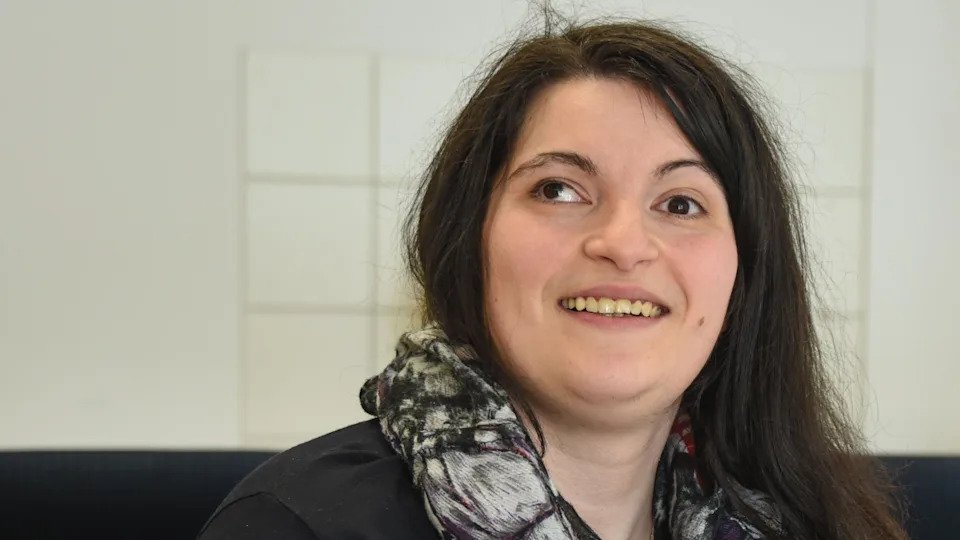
Medina Arnaut says that colleagues are grateful that the workshops exist [BBC]
The author also recounts a personal experience: born blind, they were advised at age six to attend a school for children with learning disabilities, advice their parents rejected. The author credits that decision with their eventual career as one of a small number of visibly disabled journalists in Germany.
Not all workshop employees want to leave. Medina Arnaut, 35, who chairs a local workshop council at a Caritas-run facility in Paderborn, says some colleagues need the sheltered environment and have found mainstream workplaces intolerable. "I've experienced life out there in the commercial world and it made me sick," she reports, paraphrasing conversations with fellow workers.
Karla Bredenbals, who manages Caritas workshops in Paderborn, concedes that the transition rate to open employment is too low. She cites practical barriers such as inaccessible workplaces and lack of public transport. She is also critical of the attitude that keeps productive workers inside workshops: "Hanging onto people means we are robbing them of the chance to take responsibility for their own working lives."
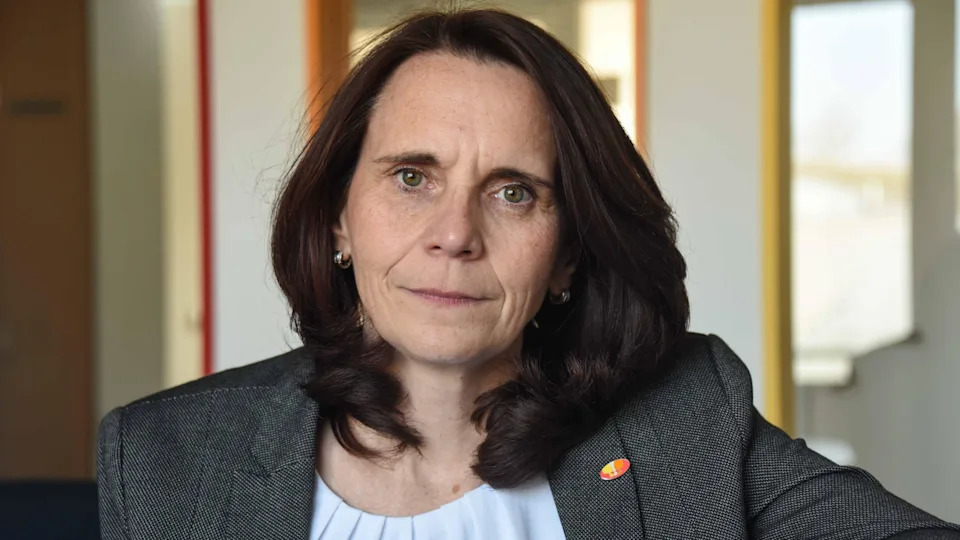
Karla Bredenbals says workshops must let staff move into the wider economy if they wish to [BBC]
International Scrutiny and Broader Implications
A 2023 report by the United Nations Committee on the Rights of Persons with Disabilities criticised Germany for the "high number of persons with disabilities enrolled in sheltered workshops and the low rate of transition to the open labour market." The Linnemann case could prompt a judicial re-evaluation of whether workshop work should be treated as employment under German law — with consequences for pay, labour rights and the design of support services.
Whatever the outcome, the case has already sharpened debate about economic incentives, institutional inertia and the balance between protective environments and full labour-market inclusion. A ruling in Linnemann's favour could require legislative or structural changes to ensure fair pay and better integration opportunities for disabled workers across Germany.
Additional reporting by Tim Mansel.
Help us improve.