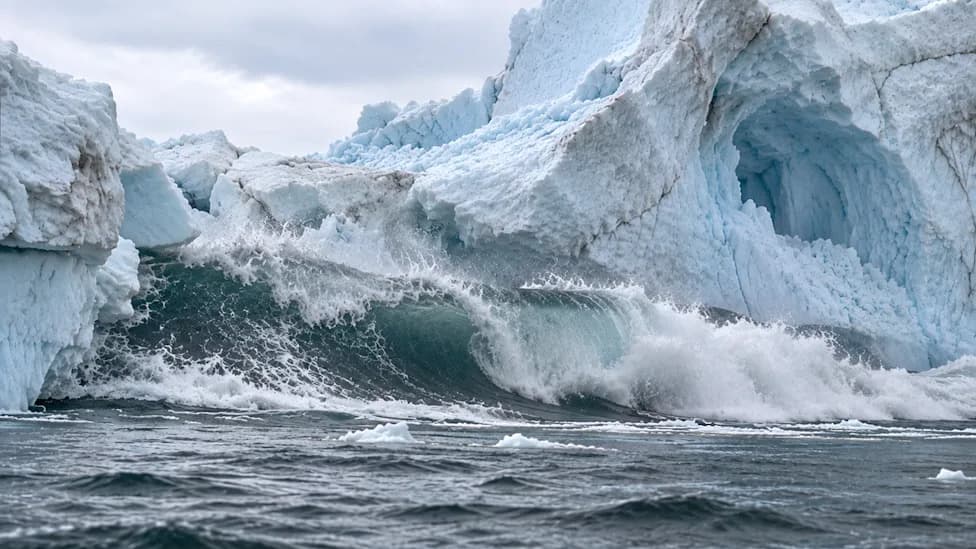
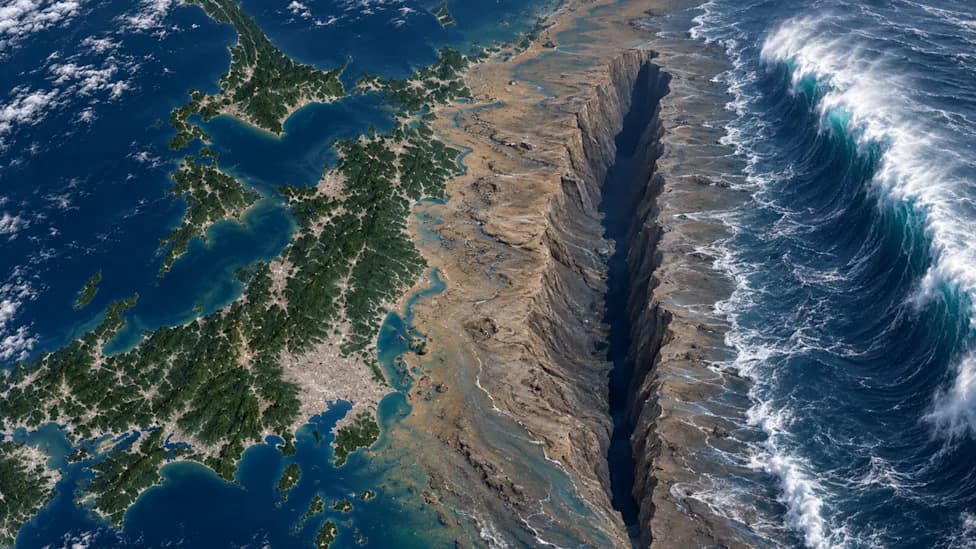
The September 2023 collapse of a mountain face into East Greenland's Dickson Fjord produced a 650-foot mega-tsunami that became trapped and formed a seiche, sloshing for nine days. About 880 million cubic feet of rock and glacial ice collapsed, a failure linked to warming and glacier retreat. The persistent fjord oscillation produced an ultra-low-frequency seismic signal detected globally every 92 seconds. Scientists initially labeled the mystery signal a USO before tracing it to the fjord seiche.
650-Foot Mega-Tsunami in East Greenland: Fjord Seiche Rang the Earth for Nine Days
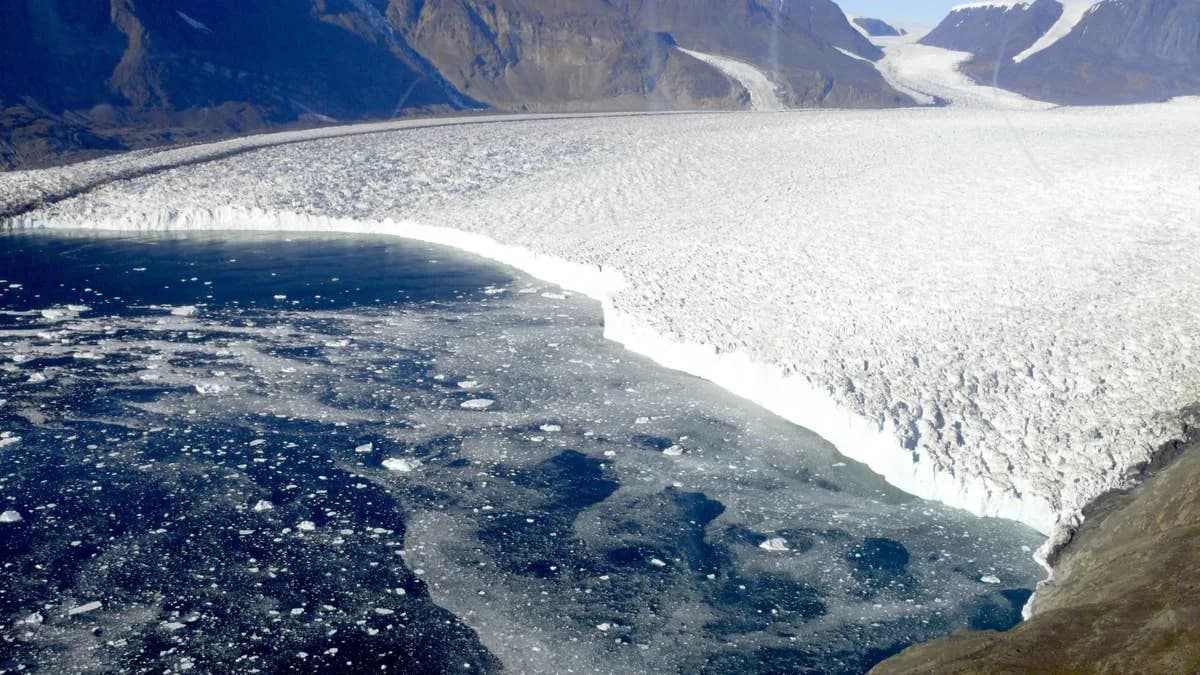
In September 2023, a dramatic slope failure above East Greenland's Dickson Fjord produced a 650-foot mega-tsunami that became trapped in the narrow waterway and sloshed back and forth for nine days, sending a persistent low-frequency signal around the globe.
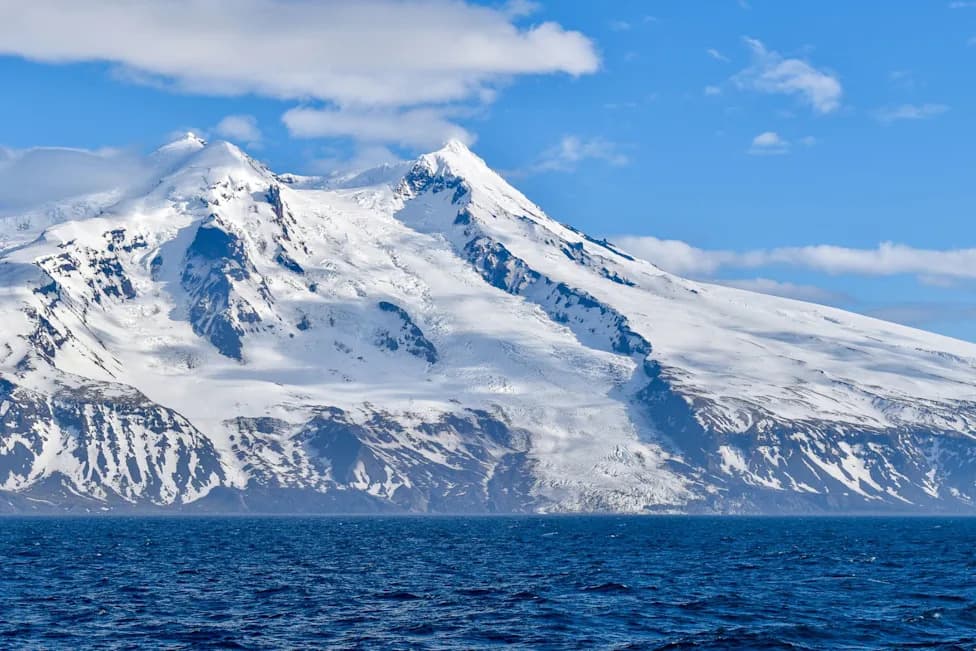
A mountain face more than a mile high collapsed, sending an estimated ~880 million cubic feet of rock and thinning glacial ice into the fjord. The immense impact generated a wave powerful enough to overtop multiple high-rise buildings and — although smaller than the 1,720-foot Lituya Bay wave of 1958 — was nonetheless one of the largest modern fjord tsunamis on record.
Seiche: A Fjord That Kept Sloshing
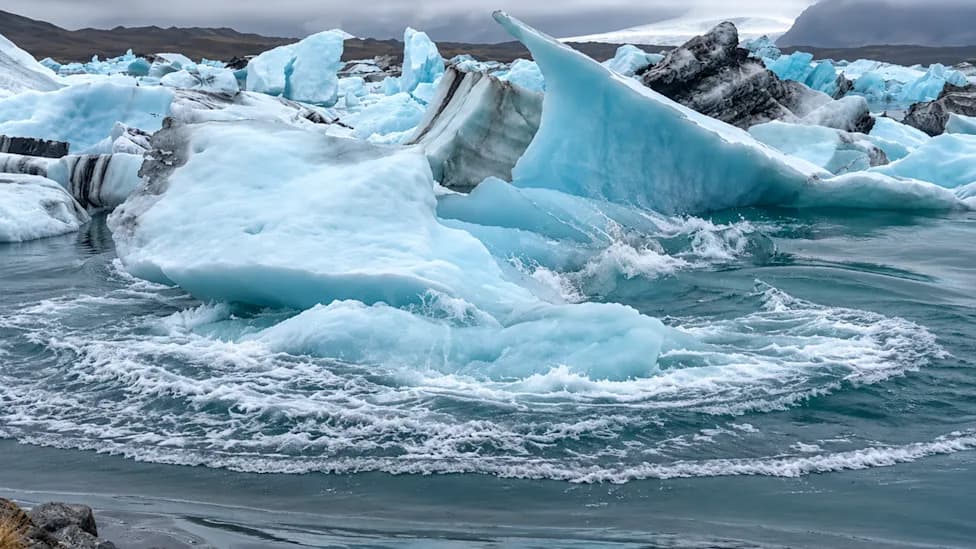
Rather than dissipating into the open ocean, the initial tsunami became confined by the fjord's steep, twisting walls. It settled into a long-lived seiche — a standing, back-and-forth oscillation — with individual waves inside the channel reaching nearly 30 feet. That rocking motion persisted for nine continuous days.
Ringing the Planet
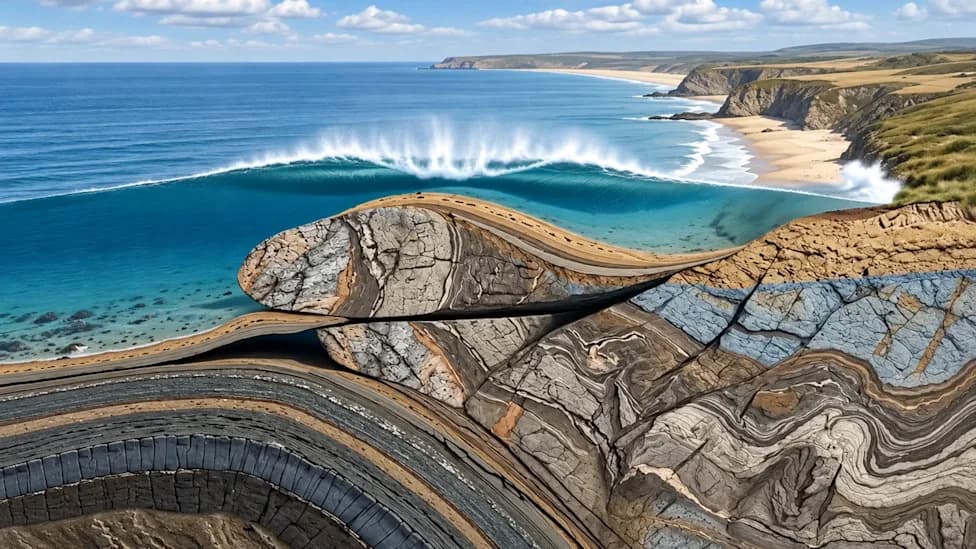
The mass of moving water behaved like a giant hammer, producing a steady, ultra-low frequency hum detected by seismic stations worldwide at roughly 92-second intervals. Seismologists initially treated the unusual signal as an unidentified source and dubbed it an "unidentified seismic object" (USO) while investigators worked to trace its origin.
“We were like, 'Oh wow, this signal is still coming in. This is completely different to an earthquake,'” recalled seismologist Stephen Hicks.
Lead author Dr. Kristian Svennevig described how the international research team was initially puzzled by the persistent signal: “When we set out on this scientific adventure, everybody was puzzled and no one had the faintest idea what caused this signal.”
Why It Matters
Scientists link the slope failure in part to warming polar temperatures and glacier thinning, which increase the likelihood of large rock-and-ice collapses into fjords. The Dickson Fjord event underscores how climate-driven changes to mountain and glacial stability can produce dramatic geohazards that may become more frequent as glaciers retreat.
Sources: Reporting and research described in The Economic Times and originally summarized by Surfer (published Jun 24, 2026).
Help us improve.