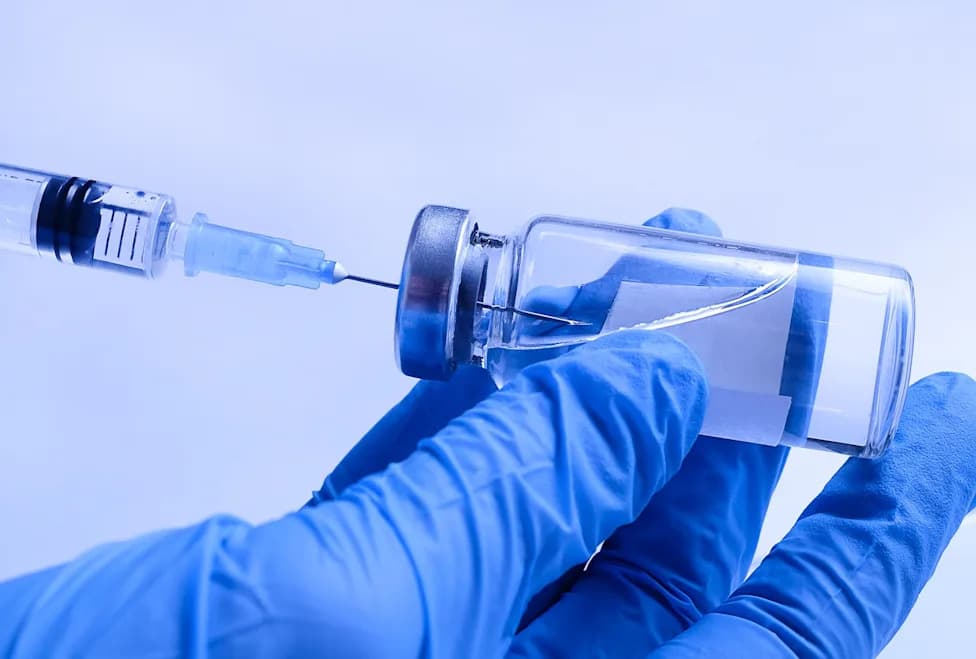
Overview: A COVID-19 vaccine effectiveness study once withheld from the CDC's journal has been published in JAMA Network Open. Researchers reported vaccines reduced hospitalizations by about 55% and emergency/urgent care visits by roughly 50%.
Context: The CDC and HHS previously flagged methodological concerns but did not detail specific issues; many independent experts defended the study's widely used test-negative approach.
Implication: JAMA publication allows full external review and places the findings alongside prior evidence that vaccines lower the risk of severe COVID outcomes.
Study Previously Withheld By CDC Published In JAMA: COVID Vaccines Cut Hospitalizations By ~55%
A sign for COVID-19 vaccine availability (stock image).Credit: Getty
A long-delayed study on COVID-19 vaccine effectiveness has been published in JAMA Network Open after U.S. public health reviewers declined to publish it earlier this year. The paper evaluates how vaccination affected hospitalizations, emergency department visits and urgent care encounters and makes its full analysis available for scrutiny by the broader scientific community.
Key Findings
Researchers found that COVID-19 vaccination reduced the risk of hospitalization by about 55% and lowered the odds of an emergency department or urgent care visit for COVID-like illness by roughly 50%. These estimates reflect real-world effectiveness during the study period and are broadly consistent with prior observational vaccine studies.
How The Study Was Conducted
The investigators used a commonly applied approach in vaccine research often referred to as a test-negative design. The design focuses on people who sought care for COVID-like illness at hospitals, emergency departments or urgent care centers, then compares the proportion testing positive for SARS-CoV-2 among vaccinated and unvaccinated patients to estimate vaccine effectiveness. When implemented carefully, this method helps reduce bias related to healthcare-seeking behavior.
A sign for a COVID-19 vaccination clinic (stock image).Credit: Getty
Controversy And Response
In April, the Centers for Disease Control and Prevention (CDC) declined to publish the paper in its journal, saying the study's framework was "susceptible to producing misleading results," according to contemporaneous reporting. The Department of Health and Human Services (HHS), which oversees the CDC, reiterated that scientific reports receive multi-level review; an HHS spokesperson, Andrew Nixon, said reviewers had raised concerns about the study's "methodological approach estimating vaccine effectiveness." The agencies did not publicly specify the precise methodological issues they believed were problematic.
Many independent public health experts defended the study's design, noting that the test-negative approach has a long track record and has been used in numerous peer-reviewed vaccine effectiveness studies published in respected medical journals.
What This Means
Publication in JAMA Network Open makes the full methods, data and results available to external researchers and the public, which allows independent evaluation and replication. The reported effectiveness estimates do not contradict prior evidence that COVID vaccines reduce severe outcomes, though exact effectiveness can vary by variant, time since vaccination and population.
Bottom line: The study provides additional real-world evidence that COVID vaccination substantially reduces the risk of hospitalization and other serious medical encounters. The JAMA publication enables broader scientific review following the earlier decision not to publish the paper in the CDC's journal.
Help us improve.