WHO Director-General Tedros Adhanom Ghebreyesus warned in Geneva that extreme heat is an escalating public-health threat, linked to roughly 500,000 deaths globally each year. The WHO says many heat-related deaths are preventable and urges targeted measures for vulnerable groups, including older adults, children, pregnant women and outdoor workers. A 2000–2019 study cited by the WHO found heat-related mortality rising while cold-related deaths declined.
WHO Warns Heat Now Causes About 500,000 Deaths Worldwide Each Year
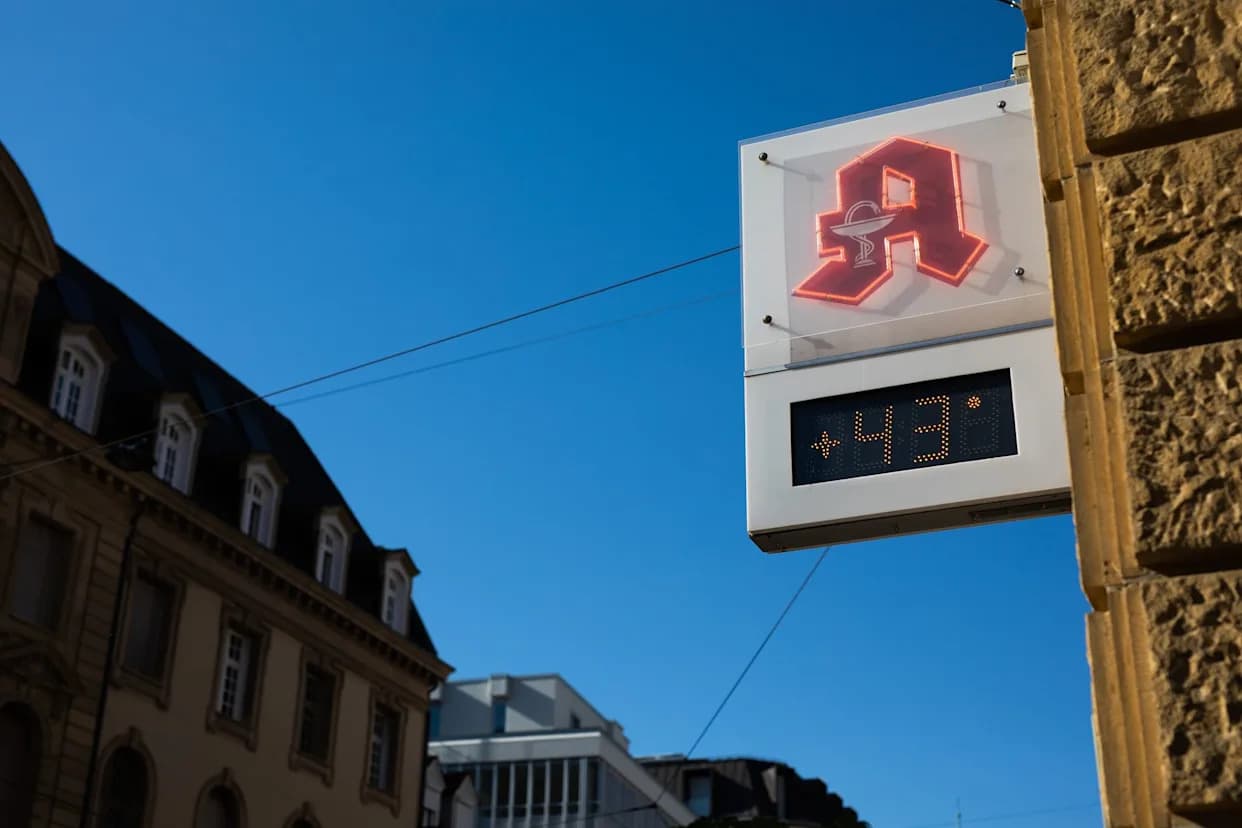
FILE PHOTO - A temperature display on the facade of a pharmacy shows 43 degrees Celsius in sunny areas amid a heatwave. (is associated with: «WHO chief: 500,000 heat-related deaths worldwide per year») Philipp von Ditfurth/dpa
The head of the World Health Organization warned in Geneva that extreme heat is a growing and potentially deadly threat to global public health as many regions experience unusually high temperatures.
"Heat is one of the most serious and rapidly growing threats to health and safety posed by climate change," WHO Director-General Tedros Adhanom Ghebreyesus said at a press conference.
Tedros said roughly 500,000 people die each year from heat-related causes worldwide and emphasized that many of those deaths are preventable with timely action and targeted protection.
Who Is Most At Risk
The WHO highlights several especially vulnerable groups: older adults, people with underlying health conditions, pregnant women, children, outdoor and manual workers, and socially disadvantaged communities who may lack access to cooling, hydration or healthcare.
What The Evidence Shows
Tedros cited a scientific study that analysed global temperatures and mortality between 2000 and 2019. Although cold-related deaths outnumbered heat-related deaths over that period, the study found cold-linked mortality declined while deaths attributable to heat increased — a trend the WHO says is consistent with rising global temperatures.
Recommended Actions
The WHO urges governments and communities to adopt heat-health action plans and protective measures focused on vulnerable people. Practical steps include early warning systems, public cooling centers, workplace heat protections, community outreach, and ensuring access to hydration and healthcare during heat extremes.
Addressing heat risks will require coordinated public-health planning, stronger climate mitigation and adaptation, and resources targeted to those most at risk.
Help us improve.