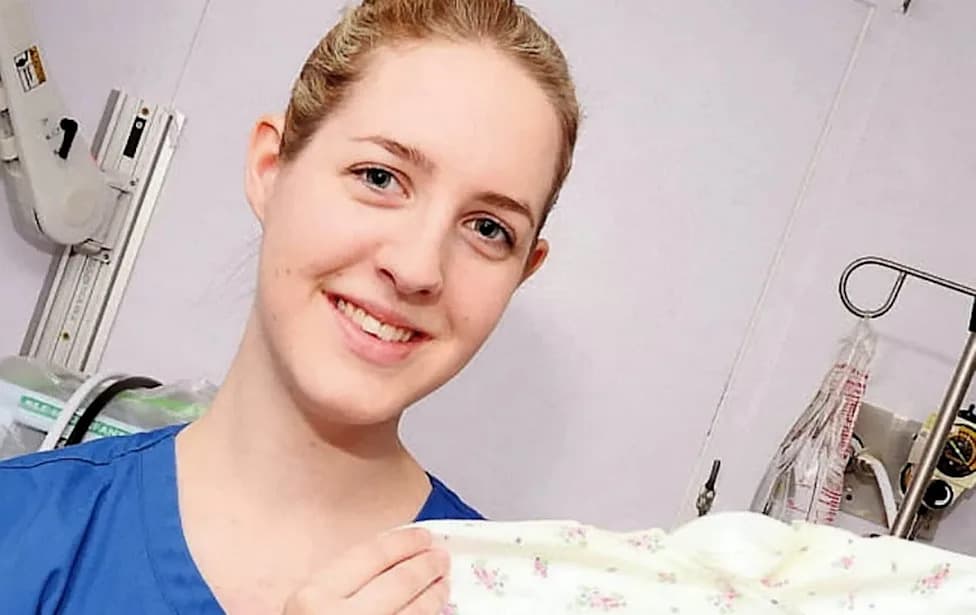
The Urology Services Inquiry found that systemic failures at the Southern Health Trust — including weak governance, poor oversight and underdeveloped leadership — contributed to serious patient harm and that some patients treated by consultant Aidan O'Brien died. The investigation highlighted long‑standing clinical and administrative problems, triage and diagnostic delays, and repeated missed opportunities to manage a doctor in difficulty. The report urges that patient safety be the top priority, leadership be strengthened, and data use improved to identify risk early.
Inquiry: Failures in Southern Health Trust Urology Care Led to Patient Harm and Some Deaths
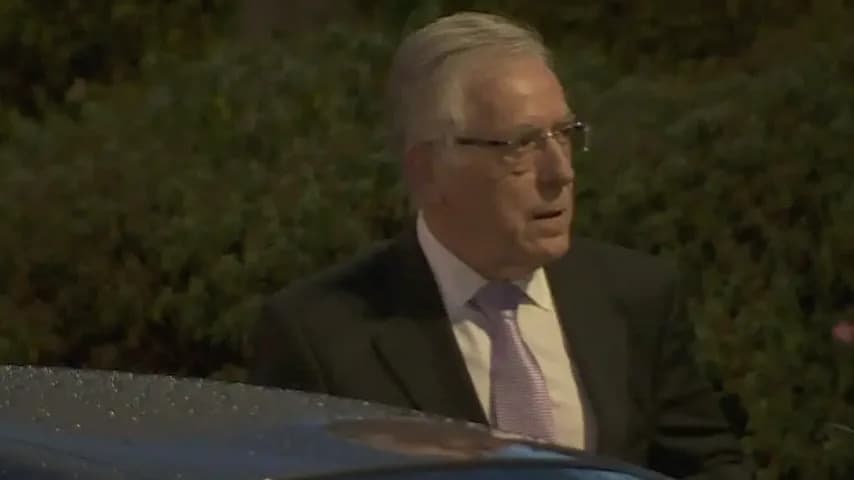
Aidan O'Brien worked at the Southern Health Trust from 1992 [BBC]
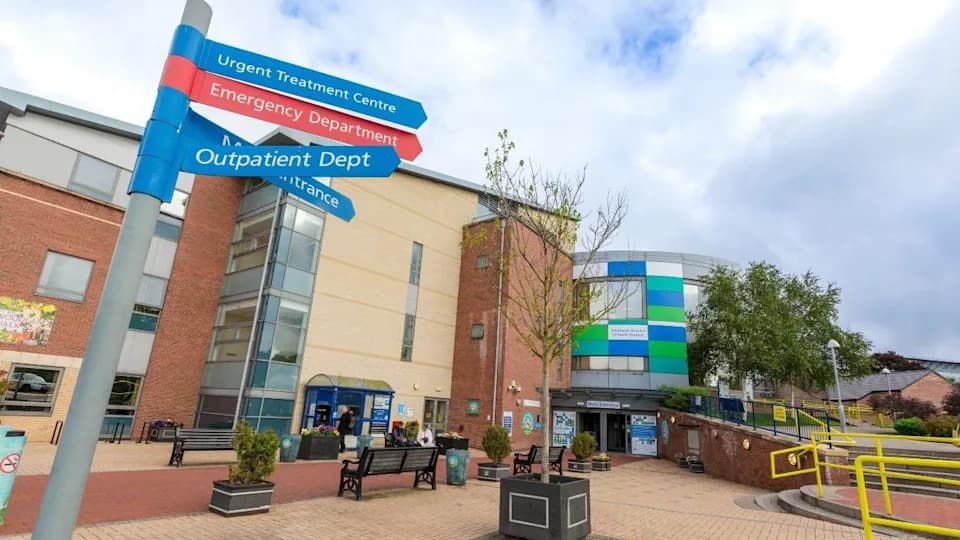
An independent Urology Services Inquiry has concluded that systemic failures at the Southern Health Trust contributed to serious patient harm and that some patients under the care of consultant urologist Aidan O'Brien died as a result of failures in their care.
Findings and Context
Christine Smith KC, who chaired the inquiry, said weak governance, poor oversight and underdeveloped leadership "created the conditions in which patients were seriously harmed." The inquiry examined O'Brien's practice at the Trust between January 2019 and June 2020 and also reviewed the Trust's handling of urology services before May 2020. O'Brien has since retired.
The problems emerged publicly in October 2020 when the Southern Trust recalled the records of more than 1,000 patients who had been under O'Brien's care. The inquiry was set up in 2020 after a series of Serious Adverse Incidents (SAIs) were reported.
Systemic and Individual Failings
While the report accepts that O'Brien was a skilled surgeon who "did not set out to cause harm," it is scathing about the trust's systems. Investigators found long‑standing concerns predating 2016, including triage delays, poor record‑keeping (including storage of notes at home), delayed dictation, non‑standard prescribing and other clinical and administrative lapses.
The inquiry concluded that medical and operational managers repeatedly labelled serious safety issues as merely "administrative," failing to recognise that such problems posed a clear patient‑safety risk. Prolonged failures to triage referrals properly increased the likelihood that urgent cases — including suspected cancers — would not be identified or escalated in time.
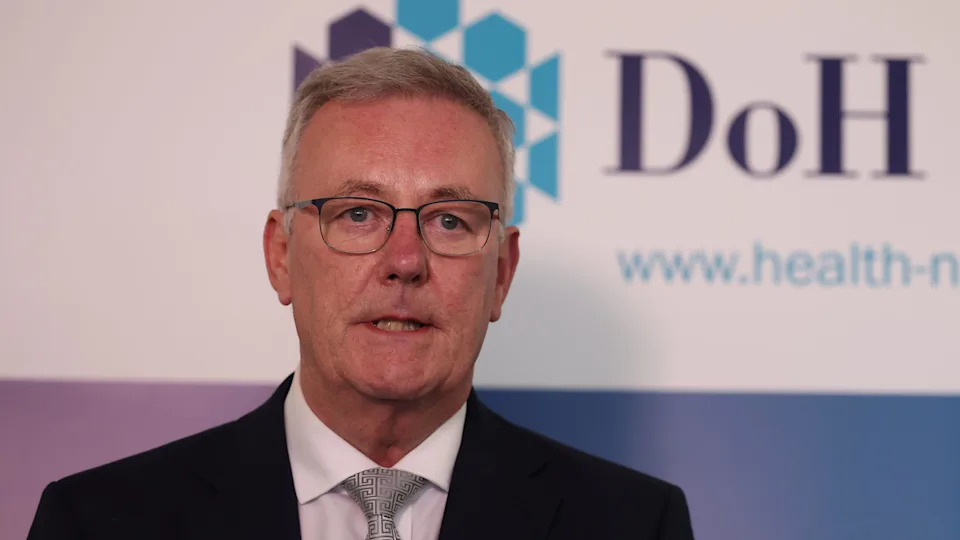
Mike Nesbitt said the report detailed "a failure of monumental size" [PA Media]
Accountability and Missed Opportunities
Investigators found both individual and systemic failures: the Trust did not consistently recognise or manage O'Brien as a doctor in difficulty and missed repeated opportunities to address known risks. The inquiry criticised the Trust board for weak leadership, poor oversight and a lack of accountability.
Steve Spoerry, Chief Executive of the Southern Health Trust, apologised and said he "completely accepts that patients came to harm."
Key Recommendations
The report offers clear, core recommendations to prevent repetition: make patient safety the primary purpose of services; strengthen leadership at all levels; and improve the use of data to identify and act on risk early. It calls for formal support and improvement plans for clinicians identified as being in difficulty and for stronger governance and escalation processes.
Evidence and Next Steps
The inquiry heard from 75 witnesses and reviewed roughly 650,000 pages of written evidence. It did not determine criminal or civil liability and made no fitness‑to‑practise findings — those matters remain the remit of other processes. The General Medical Council referred Aidan O'Brien to a Medical Practitioners Tribunal Service hearing, which is ongoing.
The report recognises improvements already made within the Trust and wider Department of Health work, but stresses that further sustained and transformational change is required. Health leaders and the Health Minister have publicly apologised and committed to implementing the recommendations.
Related notes from the inquiry: hundreds of patients received suboptimal care; long waiting lists were identified as a major source of patient harm; and consultants have apologised to affected patients during the inquiry process.
Help us improve.