Summary: The 2026 Ebola outbreak centered in Ituri, DRC, has surpassed 1,000 laboratory-confirmed cases and spilled into Uganda. It is caused by Bundibugyo virus (BDBV), for which no licensed vaccine exists; the Ervebo vaccine targets the Zaire strain and is unlikely to protect against BDBV. Reporting backlogs complicate interpretation of the confirmed-case curve, but rapid cross-border spread and conflict-affected terrain make containment challenging. The response depends on contact tracing, isolation, supportive care and fast-tracked vaccine development.
Ebola Outbreak Tops 1,000 Cases — Bundibugyo Strain, No Approved Vaccine, Cross-Border Spread Raises Concern
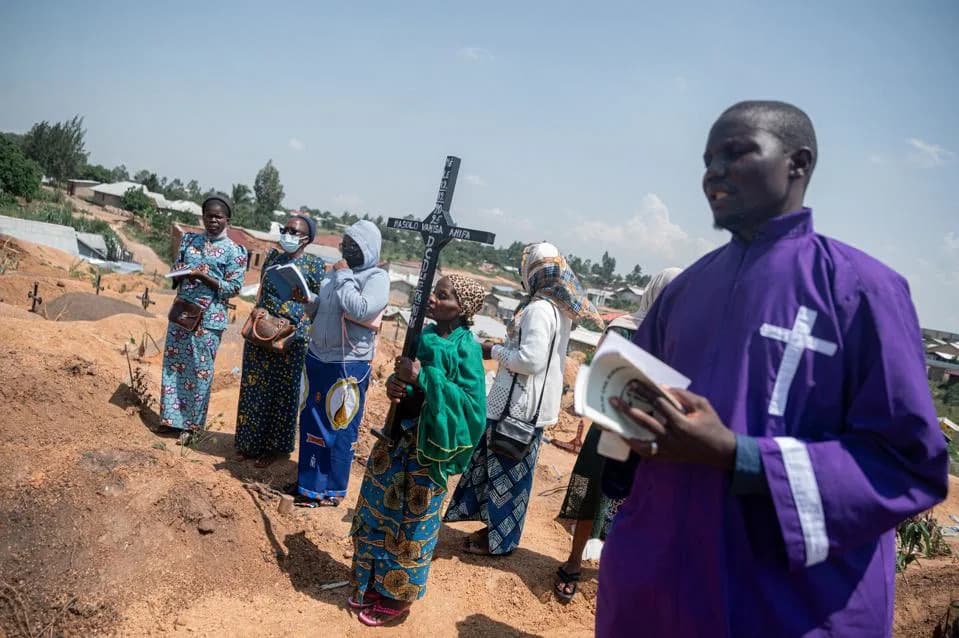
TOPSHOT - A priest conducts a blessing ceremony at Mbiyo cemetery for a fourth orphan who died from Ebola virus disease at an orphanage in Bunia, Ituri Province, June 19, 2026. A virus but no vaccine, a territory prey to armed groups and public distrust: Ebola resurfaced in mid-May at the borders of the DRC, Uganda and South Sudan. Since then, health authorities have been engaged in a race to catch up with the epidemic.On May 15, the Democratic Republic of Congo (DRC) declared the 17th Ebola outbreak, caused by the Bundibugyo strain, in the vast Central African country. The day before, tests carried out in a laboratory in the capital, Kinshasa, had confirmed the presence of the virus.The epicenter of the crisis is in Ituri, a troubled province in northeastern Congo marked by high population mobility linked to mining activity. Already 246 suspected cases, including 80 deaths, had been reported at that point. (Photo by Jospin Mwisha / AFP via Getty Images)AFP via Getty Images
Photo: A priest blesses the grave of a fourth orphan who died of Ebola at an orphanage in Bunia, Ituri Province, June 19, 2026.
The Democratic Republic of Congo (DRC) surpassed 1,000 laboratory-confirmed Ebola cases by June 21, 2026, according to the U.S. Centers for Disease Control and Prevention. This milestone — the first time confirmed cases have crossed 1,000 since the 2018–2020 North Kivu and Ituri epidemic — is especially concerning because the illness is driven by Bundibugyo virus (BDBV), for which there is no licensed vaccine.
Outbreak Overview
The 17th declared Ebola outbreak in the DRC was confirmed on May 15, 2026, after tests in Kinshasa detected Bundibugyo virus. The epicenter is Ituri province, a northeastern region marked by mining-related population movement and persistent insecurity. At declaration, authorities reported roughly 246 suspected cases and about 80 deaths; by June 21 the confirmed case count exceeded 1,000 and 267 confirmed deaths had been reported. Cases have spread into Uganda (about 20 confirmed cases and 2 deaths) and are reported near South Sudan.
Why This Outbreak Is Different
BDBV is a distinct species in the Orthoebolavirus genus and is not the Zaire strain (EBOV) targeted by the rVSV-ZEBOV (Ervebo) vaccine. The two viruses share only about 55–60% amino-acid identity in their surface glycoproteins — the usual target for vaccines — and animal studies indicate Ervebo is unlikely to provide meaningful cross-protection against BDBV. A BDBV-specific vaccine candidate is being accelerated, but it has never been tested in humans and is not yet available for field use.
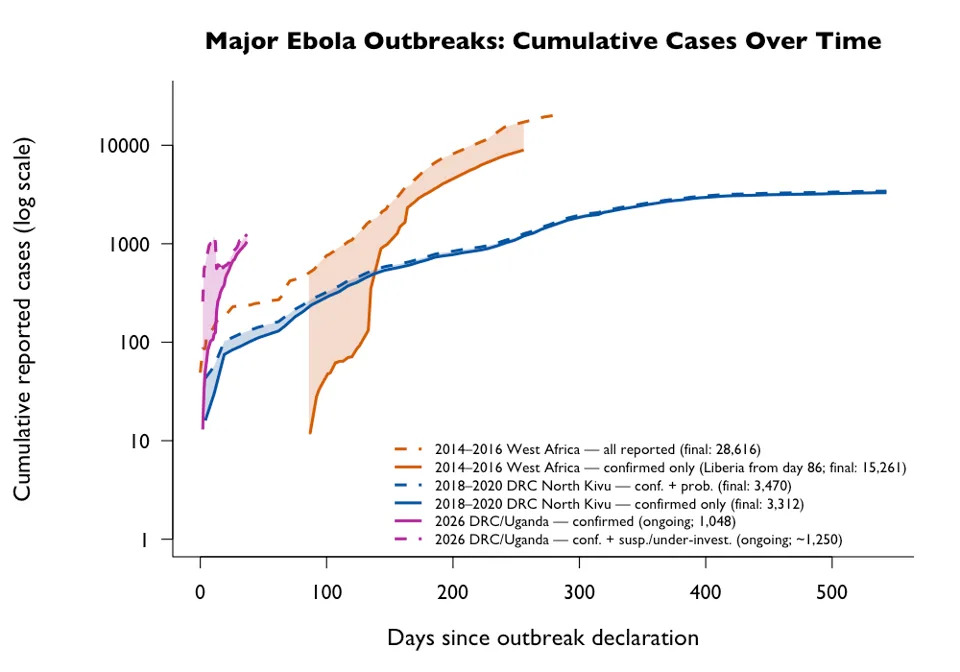
Cumulative reported cases for three Ebola outbreaks on a logarithmic scale, each aligned to the day of official declaration. Solid lines show laboratory-confirmed cases; dashed lines include all reported cases (confirmed, probable and suspected); shaded regions reflect case classification uncertainty. The 2026 DRC/Uganda outbreak (magenta) had passed 1,000 confirmed cases by day 37 with no sign of slowing. Sources: WHO situation reports compiled by Caitlin Rivers (2014–2016), Kristian G. Andersen (2018–2020) and INRB-UMIE (2026).John M. Drake
How It Compares With Past Outbreaks
On a logarithmic, declaration-aligned comparison with recent outbreaks, the 2026 curve rose more rapidly at the same number of days after declaration than the 2018–2020 DRC event. The 2018–2020 outbreak ultimately bent after extensive ring vaccination with rVSV-ZEBOV, contact tracing and safer burial practices; that tool is not available for BDBV. The 2014–2016 West Africa epidemic remains the largest recent outbreak (28,616 cases, 11,310 deaths), but the current epidemic’s early trajectory and cross-border spread make it consequential in its own right.
Data, Reporting, and Surveillance Caveats
Reported confirmed-case counts can lag real transmission. WHO noted on May 29 that recently reported confirmed cases included backlogged samples awaiting testing, and the DRC Ministry of Health removed some suspected cases after surveillance refinement in late May. These reporting dynamics mean the confirmed-case curve may overstate the recent pace of new infections; the true epidemic curve would be clearest from a public line list by symptom onset date, which is not currently available in full.
Response Challenges and Options
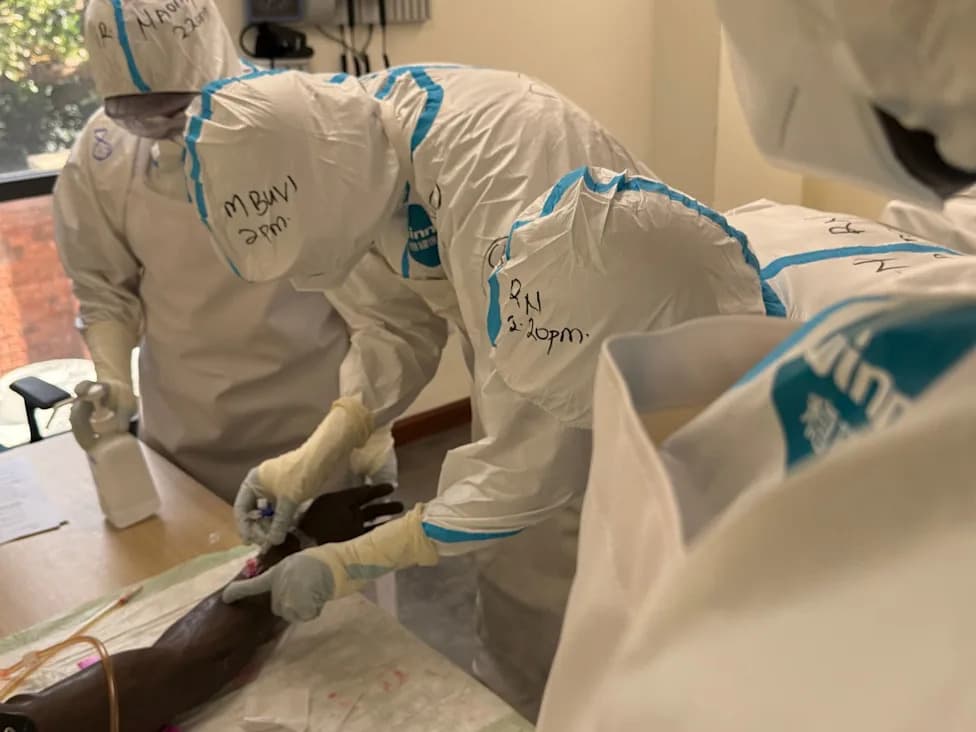
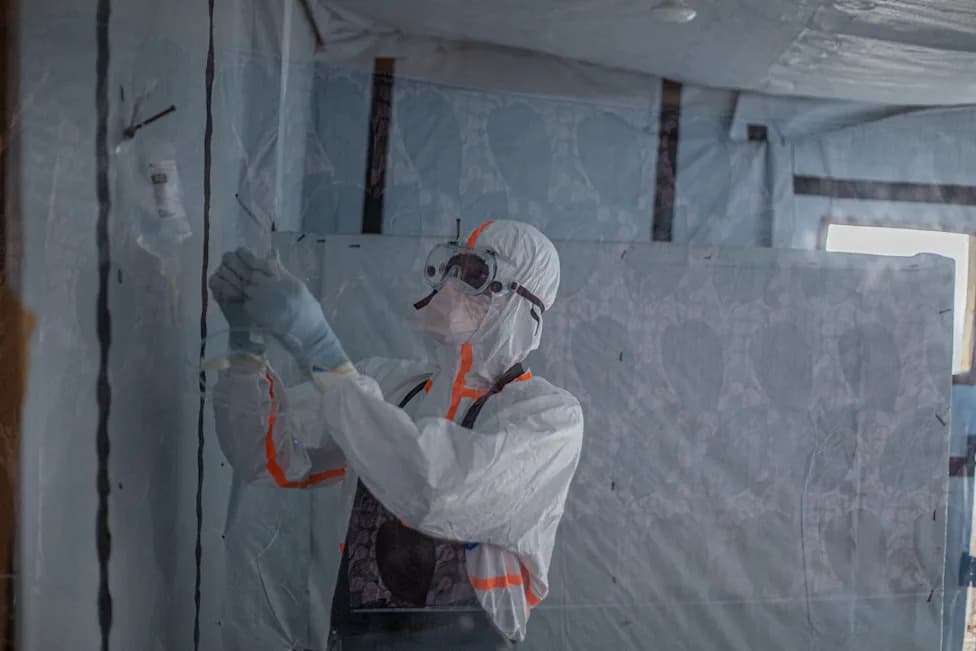
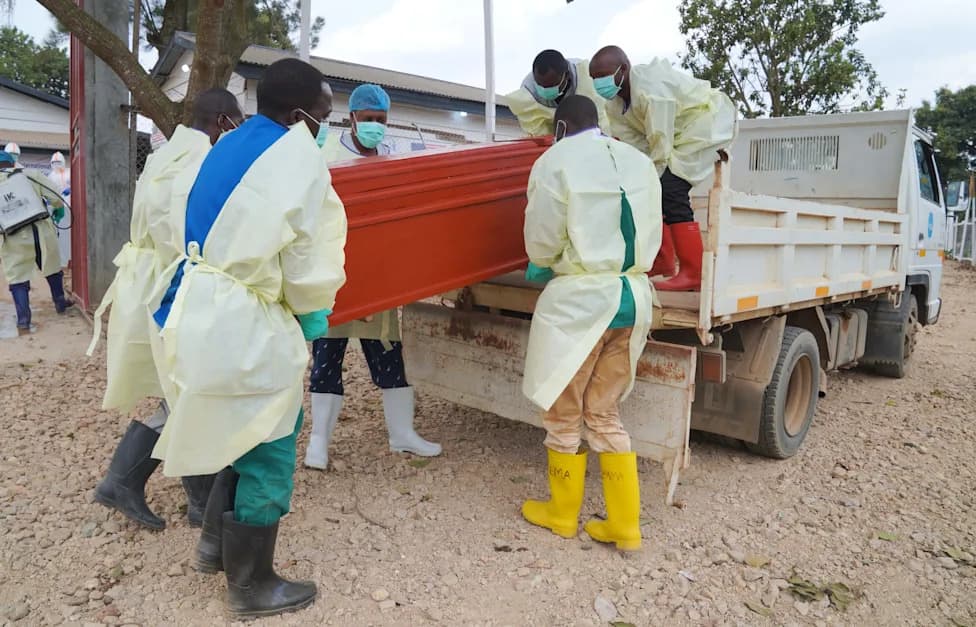
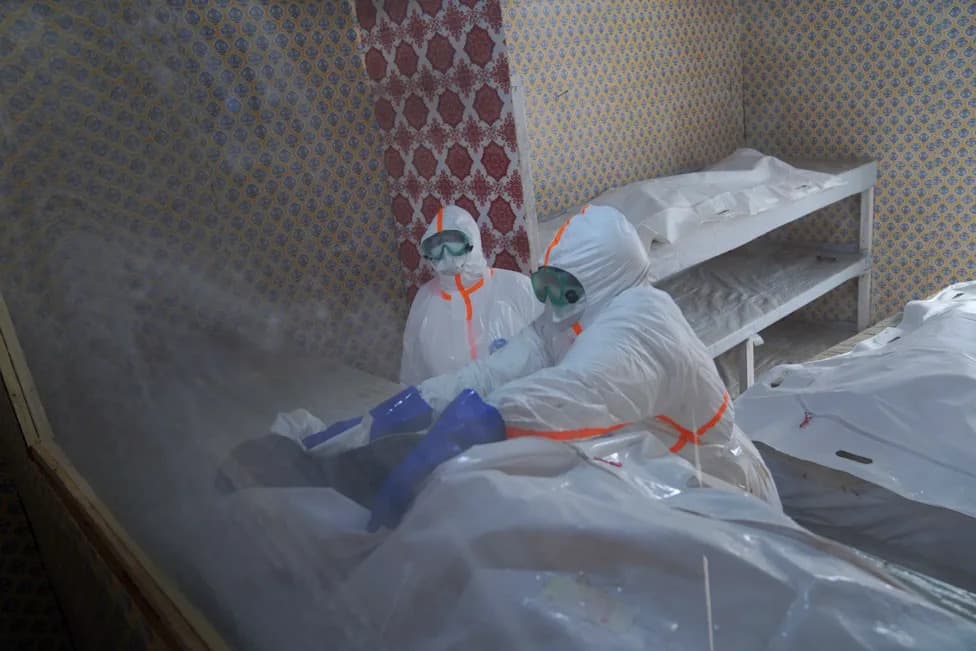
Without an approved vaccine, the response depends on contact tracing, rapid isolation of cases, supportive clinical care, infection prevention and safer burial practices. These measures can stop transmission but require sustained staffing, laboratory capacity and secure logistics in areas affected by armed groups and high population mobility. The outbreak was likely circulating for weeks before formal declaration, so containment will hinge on expanding surveillance, testing throughput, isolation facilities and community trust — plus rapid vaccine trials and regulatory work if the BDBV candidate proves safe and effective.
What To Watch
Key indicators to monitor in upcoming situation reports: trends in cases by symptom onset date (not just confirmation date), the ratio of confirmed to suspected cases, testing turnaround times, cross-border transmission events, and progress on any BDBV vaccine trials or emergency regulatory steps.
The numbers in the coming days and weeks — and the operational scale-up behind them — will determine whether the epidemic curve begins to bend. For now, the combination of a vaccine gap, insecure terrain and cross-border spread make the response unusually difficult.
Help us improve.