America's native grasslands have shrunk dramatically: roughly half of pre-settlement grasslands in the continental U.S. are gone, and an estimated 98% of native tallgrass prairie has been eradicated. Losses are driven by land conversion (housing, malls, highways, data centers) and invasive species. Grasslands can store about 30% of global soil-based carbon and support vital biodiversity, so conservation must be paired with large-scale restoration.
Half of America's Grasslands Are Gone — Why Large-Scale Restoration Is Now Urgent
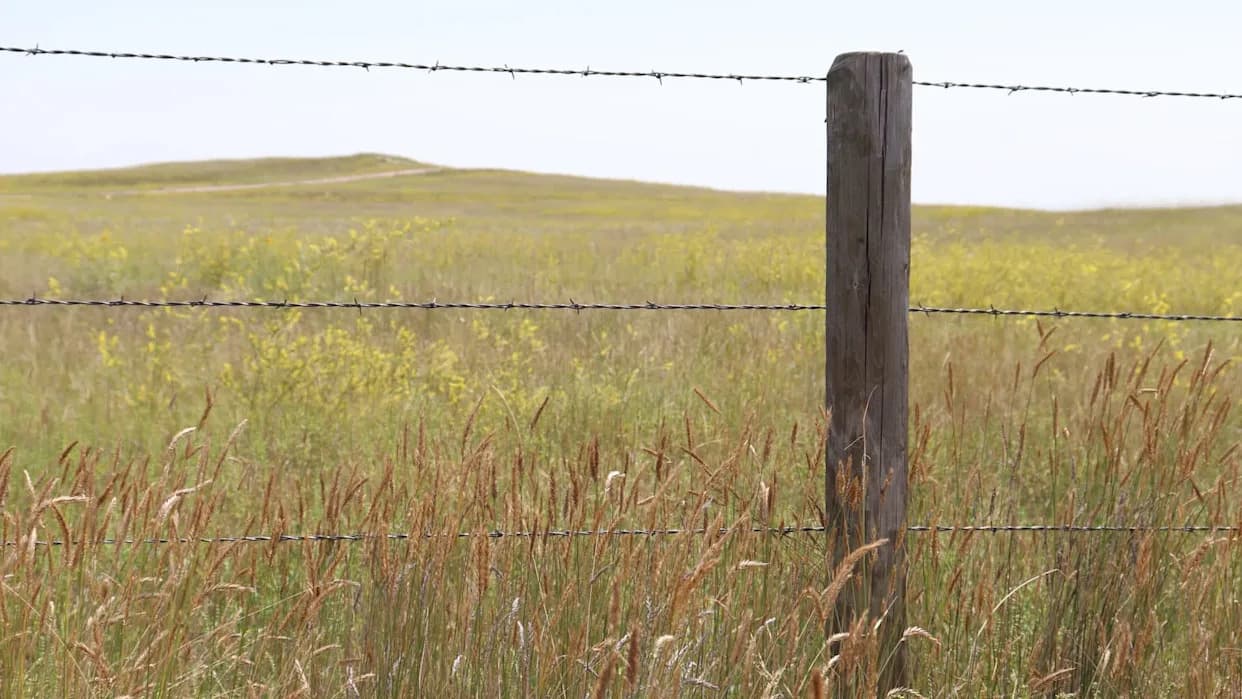
Photo Credit: iStock
A Reddit thread has renewed attention on a quiet but consequential environmental loss across the United States: the steady disappearance of native grasslands. For many readers, the scale of the decline is startling — and the conversation is shifting from simply protecting what remains to actively restoring prairie ecosystems.
Alarming Numbers
ABC News coverage cited experts and coalition data showing the severity of the decline. Ryan Sensenig, a grassland ecologist at the University of Notre Dame, told ABC News:
"An estimated 98% of native tallgrass prairies has been eradicated."Reporting that draws on America's Grasslands Coalition estimates that roughly half of the grassland that existed in the continental U.S. before European settlement has been lost.
Where Grasslands Are Disappearing
Grasslands are not confined to the Great Plains; they once occurred across nearly every U.S. region. Today, they continue to be converted for housing developments, shopping centers, interstate highways and data centers. Invasive plant species further fragment and degrade remaining prairie habitat.
Why Grasslands Matter
Prairies provide a suite of vital benefits: they support wide biodiversity, offer habitat for pollinators and wildlife, stabilize soils, and underpin agricultural and community resilience. They are also a major climate asset — ABC News reported that grasslands may store roughly 30% of global soil-based carbon, so every acre lost makes it harder to limit planet-warming emissions and to build long-term resilience.
Voices Calling For Action
Online reactions captured both alarm and a push for action. One Reddit commenter urged:
"We HAVE to move beyond just conserving and protecting, and start to focus more on restoration."Another user reflected on farming's role and responsibility:
"Grew up on a farm … As a farmer, my dad continues to have land set aside exclusively for prairie restoration and wildlife habitat, but it's impossible to deny the damage that we've done as a farming family to satisfy the demands of our markets."
Ginette Hemley, senior vice president for wildlife conservation at the World Wildlife Fund, told ABC News that raising public awareness and protecting native landscapes is urgent as the United States approaches its 250th anniversary: "From iconic species like bison to the communities that depend on them, grasslands are part of that heritage — and protecting them is part of our shared future."
Protect And Restore
Conservationists and community voices alike stress that protecting remaining tracts is essential, but not sufficient: large-scale restoration must become a central part of conservation strategy. Restoring grasslands can help recover biodiversity, sequester and protect soil carbon, improve soil health, and support both rural livelihoods and urban resilience.
What readers can do: Learn where local grasslands remain, support native-plant and prairie-restoration projects, and encourage planning that values natural habitat preservation alongside development.
Help us improve.