The Scottish Fire and Rescue Service has approved a major estate reconfiguration that will build two new two-pump stations at Cowcaddens and Tranent (costing more than £20m) while closing seven stations, including Yorkhill and Musselburgh, plus five long-term dormant sites. The package affects more than 30 stations and follows a 12-week consultation with over 3,600 responses. The SFRS will redeploy 60+ staff into prevention, training and operational roles and create about 20 on-call posts, but the changes have prompted local political and union concerns—notably over Hawick's crewing model. All changes are planned to be implemented within five years.
SFRS Major Reshuffle: Two New Stations To Be Built As Seven Close After Review
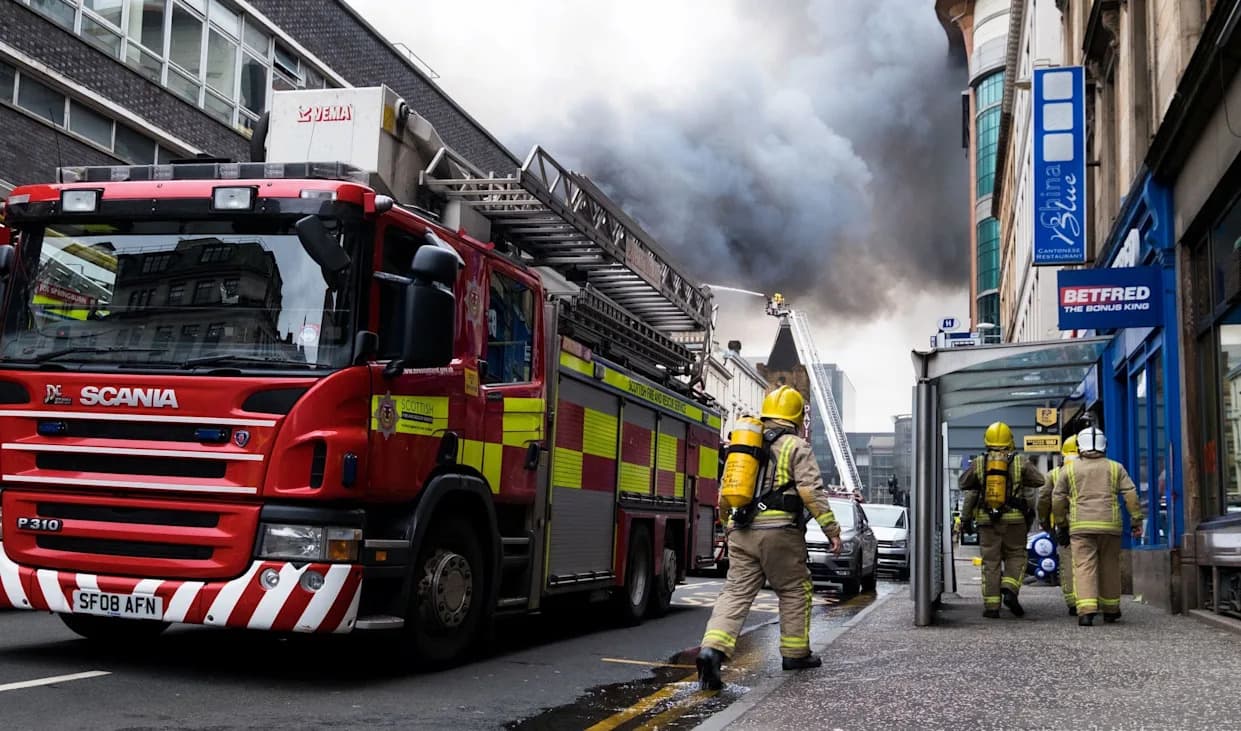
The review includes decisions on changes at more than 30 stations across Scotland [Getty Images]
The Scottish Fire and Rescue Service (SFRS) has approved a major reconfiguration of its estate that will see two new, two-pump stations built and seven other stations closed following a wide-ranging review of operational risk and demand.
What Is Changing
The board has confirmed construction of two-pump stations at Cowcaddens (Glasgow) and Tranent (East Lothian). The two new stations are expected to cost in excess of £20 million collectively. As part of the reconfiguration, single-pump stations at Yorkhill (Glasgow) and Musselburgh will close. Yorkhill currently operates one full-time pumping appliance; that appliance will be withdrawn while a second full-time appliance at Maryhill will be reinstated to rebalance cover in the Glasgow area.
Dormant Sites And Further Consultations
Five long-term dormant stations will be formally closed: Crianlarich (Stirlingshire), Fetlar (Shetland), and Nethy Bridge, Ratagan and the Isle of Muck (Highlands). The board also said six volunteer staff will be consulted on potential redundancy before any final decision is taken on three further long-term dormant sites—Colintraive and Kerrera (Argyll and Bute) and Corriecravie (Isle of Arran).
Staffing, Equipment And Redeployment
The SFRS intends to redeploy more than 60 staff from areas with lower operational demand into other safety-critical roles across prevention, training and operational delivery, and to create roughly 20 new on-call roles. The service also plans to permanently replace three combined aerial rescue pumps with dedicated high-reach appliances at Dunfermline, Perth and Greenock.
Timescale And Consultation
All changes are planned to be delivered within the next five years. The proposals follow a 12-week public consultation that produced more than 3,600 responses.
Responses And Rationale
John Henderson, SFRS assistant chief officer: "This modernisation programme is about matching our resource to risk and demand. Many of our stations were built 30 to 40 years ago to meet different risks. While accidental dwelling fires and firefighter casualties have reduced, new risks—wildfires, floods and technology-related incidents—are growing."
The proposals have drawn criticism from some local politicians and unions. Borders MSP Rachael Hamilton said the downgrading of cover at Hawick appears driven by budget pressures rather than safety concerns and warned it does not properly account for planned local developments. The SFRS responded that Hawick will continue to provide 24/7 cover, but the crewing model will change so that one pumping appliance is crewed by on-call firefighters outside daytime hours and at weekends.
The SFRS said the overall aim is to use resources more sensibly, free up around 60 posts for reinvestment in prevention and training, and ensure communities receive appropriate cover for changing risk profiles.
Help us improve.