Alan Greenspan, who chaired the U.S. Federal Reserve from 1987 to 2006, died at 100 from complications of Parkinson's disease, his wife Andrea Mitchell announced. During his more-than-18-year tenure he guided policy through major shocks, helped extend a historic expansion and pushed the Fed toward greater transparency. Post-retirement he faced sharp criticism for policies linked to the housing bubble and the 2007–2009 financial crisis and acknowledged errors in assuming markets would self-correct. He remained an influential commentator, consultant and author in later life.
Alan Greenspan, Former Fed Chair, Dies at 100; A Legacy of Booms, Crises and Controversy
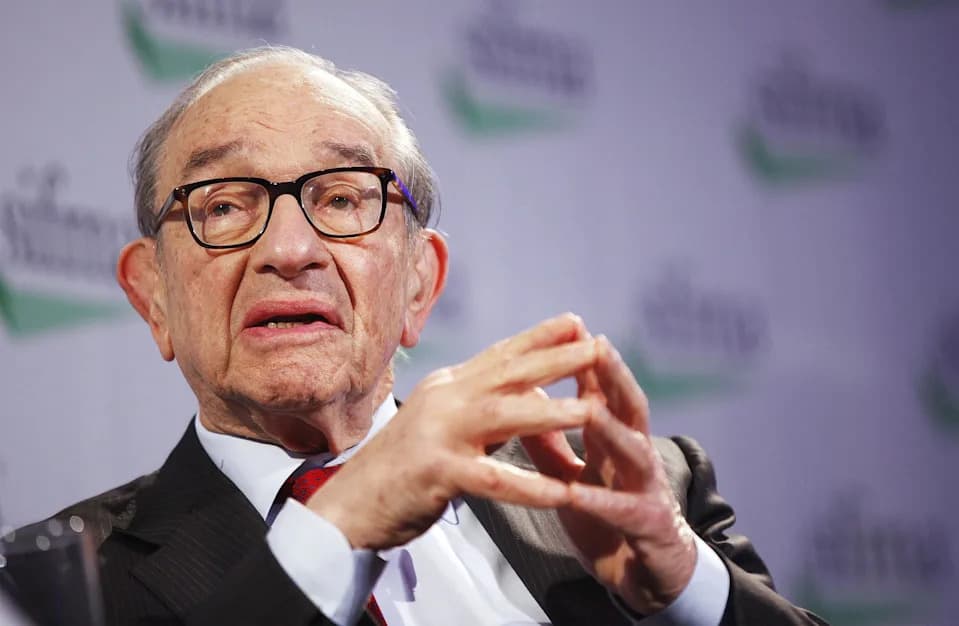
Former Fed Chairman, Alan Greenspan, speaks during the SIFMA annual meeting in New York, October 23, 2012.
Alan Greenspan, the economist who guided U.S. monetary policy as chairman of the Federal Reserve from 1987 to 2006, died Monday at the age of 100. His wife, NBC News correspondent Andrea Mitchell, said he passed at home from complications of Parkinson's disease.
Andrea Mitchell: 'Alan passed away at our home this morning at the age of 100 from complications of Parkinson's disease. He was a giant of a man who helped shape the U.S. economy for decades under presidents of both parties, but was always honest in acknowledging his mistakes.' She remembered him as brilliant, kind and passionate about baseball, tennis, golf and especially jazz.
Career and Key Episodes
Greenspan served more than 18 years as Fed chair, the second-longest tenure in the central bank's history. He led policy through major shocks — the October 1987 stock market crash, the 1990s expansion and the dot-com collapse around 2000, the Sept. 11, 2001 terrorist attacks, and the early-2000s slowdown. Early in his chairmanship he earned a reputation as an aggressive crisis manager after the Fed rapidly injected liquidity in the wake of Black Monday (Oct. 19, 1987), helping stabilize markets.
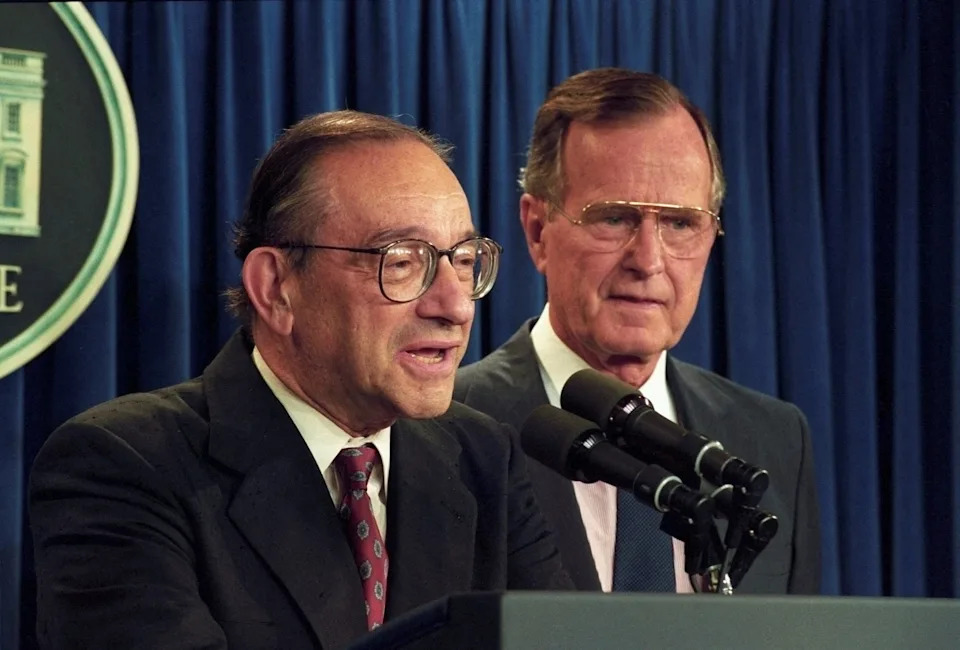
Alan Greenspan, Chairman of the Federal Reserve Board (L), makes a statement July 10, 1991, after President Bush (R) announced he was nominating Greenspan for a second term as chairman.
Achievements
Supporters credit Greenspan with several lasting contributions: recognizing a sustained pickup in 1990s productivity that weakened the traditional link between low unemployment and inflation, which allowed more accommodative policy; increasing the Fed's transparency by releasing statements explaining policy decisions after meetings; and helping keep inflation low, contributing to the longest postwar economic expansion (March 1991–March 2001).
Criticism and Controversy
Greenspan's standing dimmed after his retirement as critics blamed some of his policies for contributing to the housing bubble and the 2007–2009 financial crisis. He was criticized for keeping interest rates too low for too long and for not imposing stricter oversight on risky lending practices in the subprime mortgage market. In October 2008 he testified before Congress and acknowledged he had been mistaken in assuming that market participants' self-interest would prevent systemic failures.
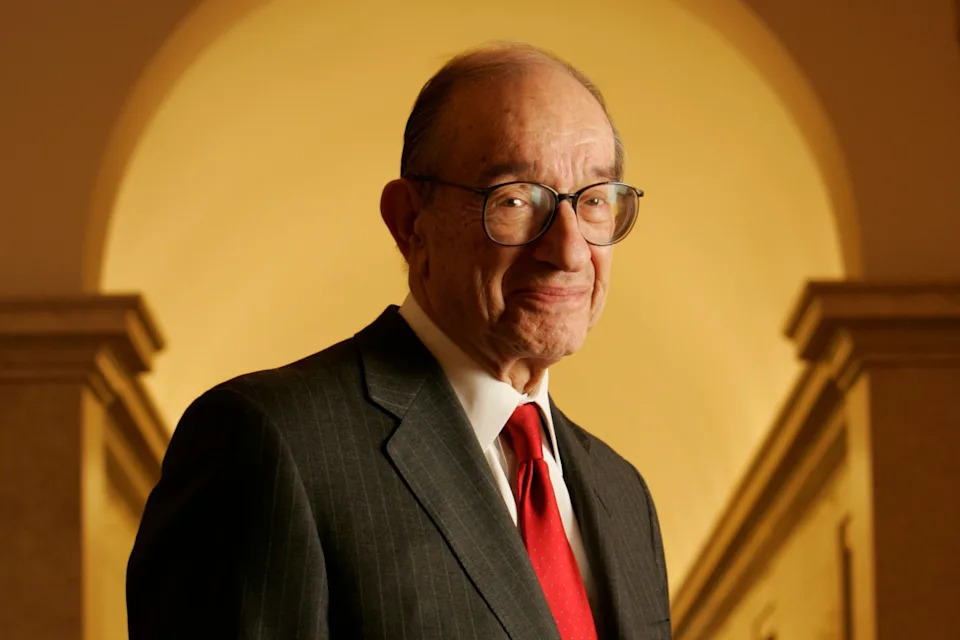
In 2006 Alan Greenspan, stepped down as chairman of the Federal Reserve Board after 18 years in the position.
Early Life and Personal Details
Born in New York City on March 6, 1926, Greenspan was an only child who showed an early talent for numbers and a lifelong love of music. He studied briefly at Juilliard, played in swing bands (even performing with Stan Getz as a teen), and later turned to economics at New York University, earning a bachelor's degree in 1948 and a master's in 1950; his Ph.D. was awarded by NYU in 1977. He co-founded the consulting firm Townsend-Greenspan and served as White House economist in 1974 before advising Ronald Reagan's 1980 campaign. Reagan nominated him to lead the Fed in 1987.
Retirement and Legacy
Greenspan retired in January 2006 and continued to shape debate as a paid speaker, consultant and author. He founded Greenspan Associates, published his memoir The Age of Turbulence in 2007, and remained a widely quoted voice on economic matters. His legacy is mixed: many economists praise his crisis management and contributions to a long expansion, while others fault him for regulatory restraint that may have helped sow the seeds of the later financial crisis.
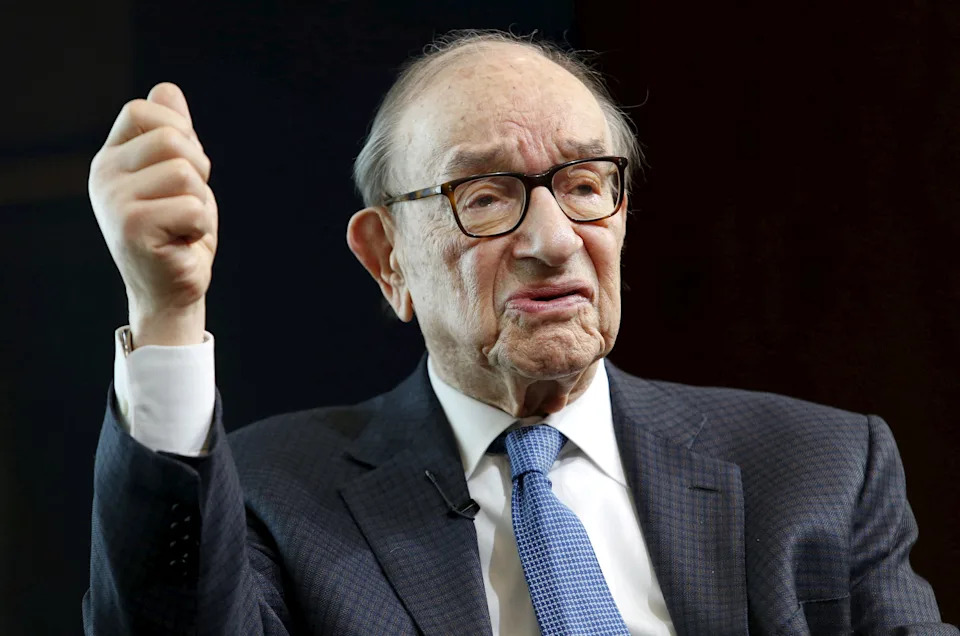
Former Federal Reserve Chair Alan Greenspan speaks at a Brookings Institution forum on "Achieving Strong Economic Growth" in Washington April 8, 2015.
Notable personal note: Greenspan married Andrea Mitchell in 1997; Mitchell often described him as both a brilliant policymaker and a devoted partner.
This story originally appeared on USA TODAY.
Help us improve.